Brace For A Decade Of Pain, Warns Britain’s IFS
Brace For A Decade Of Pain, Warns Britain’s IFS
The Institute for Fiscal Studies says Britain is on course for the weakest decade for household income growth on record after Chancellor John Healey’s first Budget, which the think tank judged unable to change the country’s economic path. The IFS published its response on Oct. 28, a day before director Helen Miller took questions at a webinar.
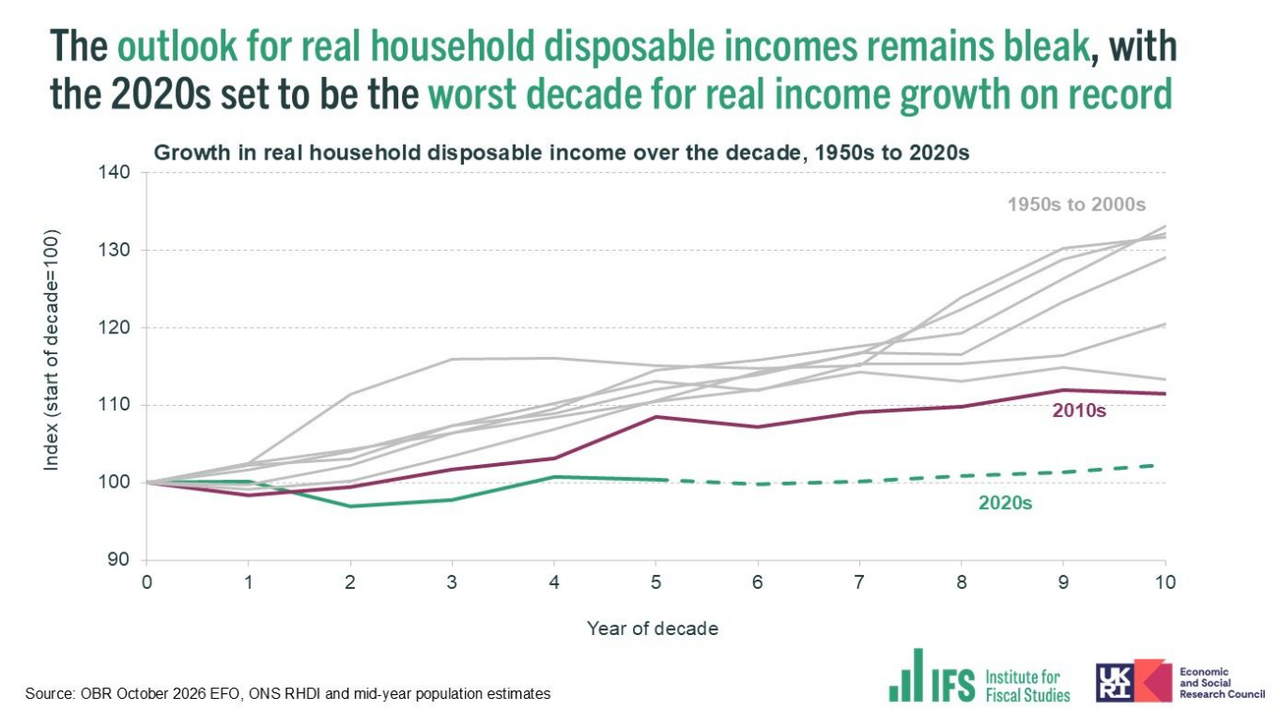
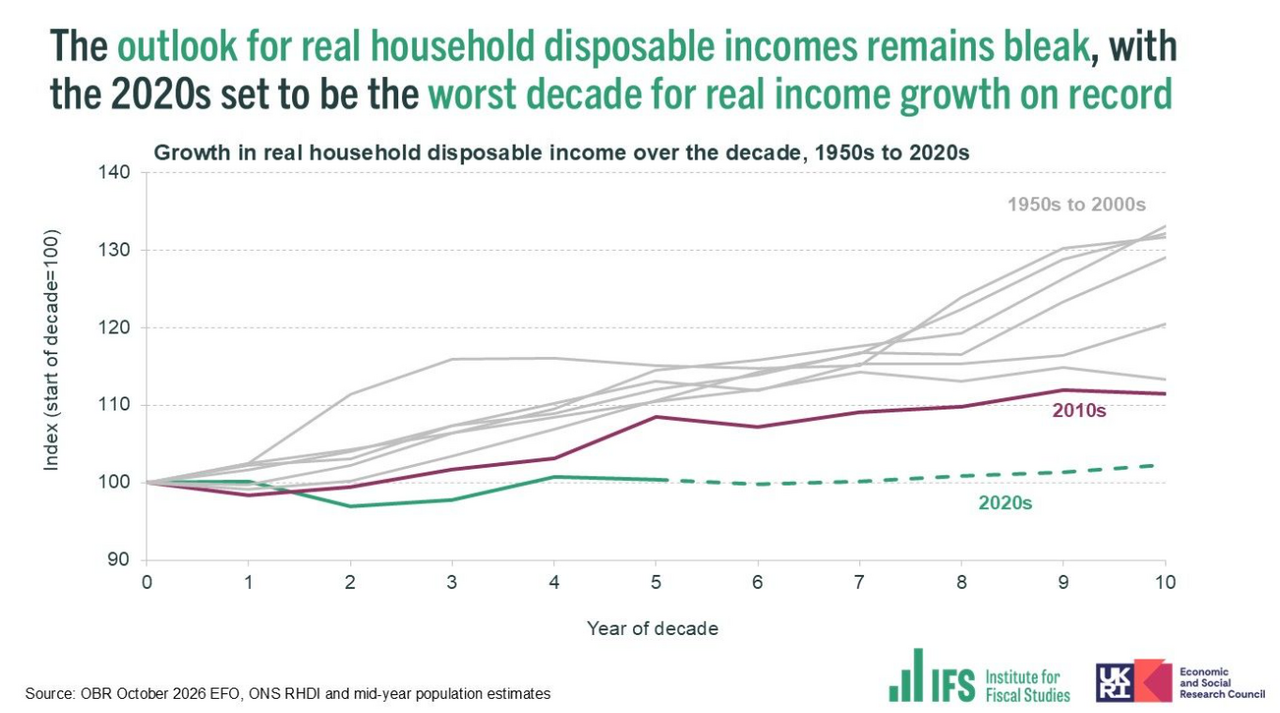
The Telegraph reported that the IFS expects a typical family’s disposable income to rise by an average of just 2% over the 2020s, the worst growth in records going back to the 1950s. The IFS called Healey’s package “unhelpful fiddling,” the paper said. Miller put it this way:
“This decade looks set to be the worst decade for growth in household incomes on record. No amount of temporary cost of living packages will fix that. We need a stronger economy.”
Before the Budget, Miller had warned that “steady-as-you-go” budgeting was not an option and that it would be a choice to accept cuts to the quantity or quality of some public services.
Healey delivered the Budget on Oct. 28.
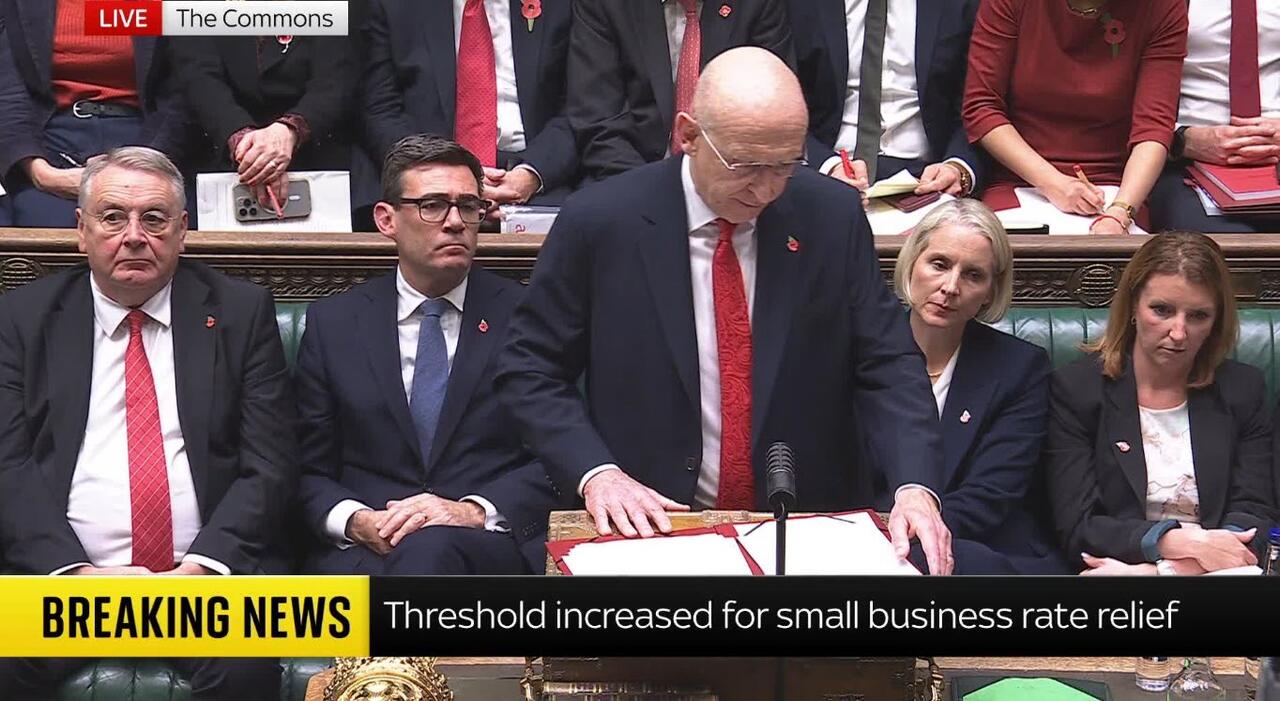
The Office for Budget Responsibility’s figures show the headroom against his fiscal rule fell to £15 billion in 2029-30, from £23.6 billion at the March forecast, according to Portfolio Adviser. The main revenue measure was a three-point rise in the bank surcharge: banks pay 6% on profits above £100 million for 15 months from January, to fund energy bill support. Gilts were broadly in line with market expectations on the day.
Business groups said it did not go far enough on growth. In the Telegraph, CBI chief executive Rain Newton-Smith called the Budget a “missed opportunity” and said the measures risked doing more harm than good. She said it “neglected aviation, distribution and other sectors, while a banking surcharge undermined the competitiveness of financial services.” Chris Hayward of the City of London Corporation asked why Healey had not addressed the “eye-watering” sums spent on benefits while raiding the banks. “Braver decisions are needed, starting with the welfare bill,” he said, according to the Telegraph.
Healey gave two answers on welfare, the Telegraph reported. On BBC Radio 4’s Today programme, asked whether benefits would be cut before the next election, he said: “There will be a reduction in the benefits bill – we’ll do that in a Labour way, and we will do that because it is simply not good for Britain or progressive to have a bigger and bigger benefits bill.” Later that day, on Channel 4 News, he conceded: “It’s not correct to say that we’re going to bring this welfare bill down in this parliament because we’ve not set a timetable for that.”
The annual cost of benefits is forecast to top £430 billion in 2031-32, the Telegraph reported.