The Cultural Power of Knowing Less
Culture has never been easier to explain. A painting can be identified through a phone camera, a film ending decoded within minutes and the history of an unfamiliar object retrieved before a visitor has left the gallery. Yet some of the most enduring cultural experiences resist that speed. They leave something unresolved.
Mystery matters because it interrupts the instinct to arrive at an answer immediately. Gothic fiction, Surrealist painting, psychological horror and immersive art use different methods, but each preserves a gap between encounter and understanding.
That gap is increasingly valuable. It gives audiences time to look, question and interpret before explanation arrives — allowing culture to unfold rather than simply be decoded.

When the Familiar Becomes Uncertain
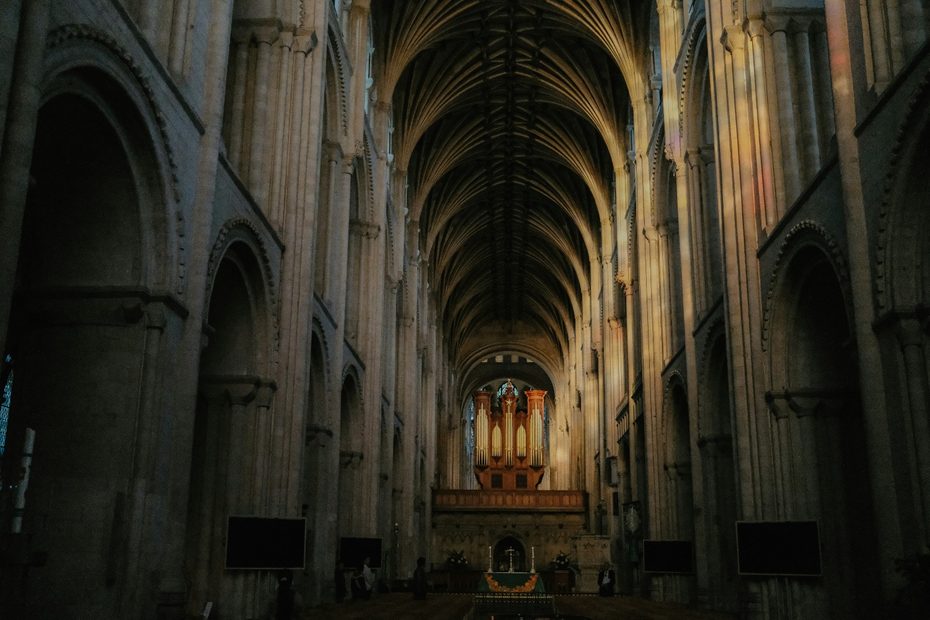
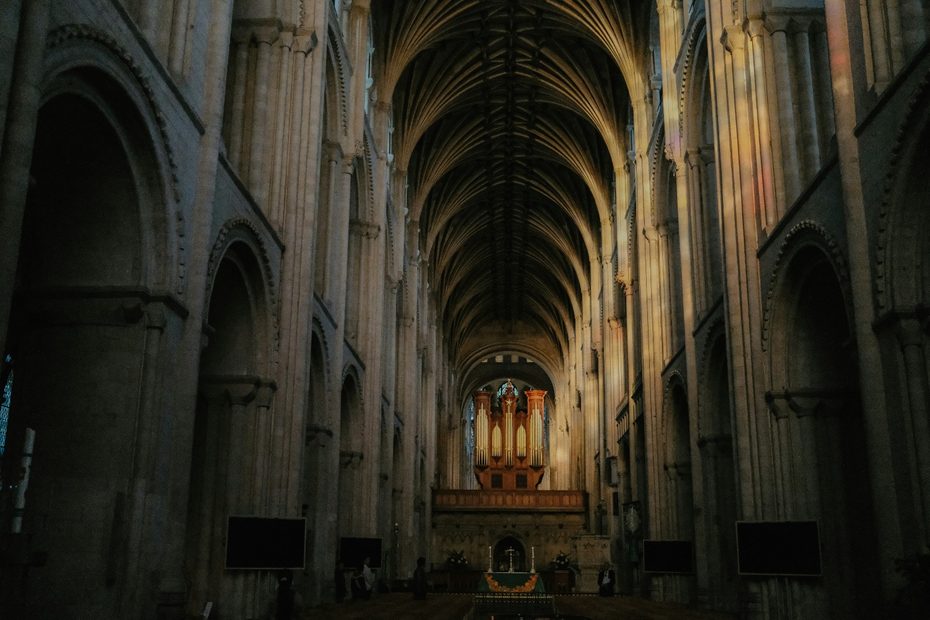
The Gothic understood early that mystery begins by destabilising the familiar. Architecture created awe through height, shadow and coloured light. Pointed arches, soaring vaults and stained-glass windows transformed stone into something that could appear almost weightless, giving churches and cathedrals a sense of scale beyond ordinary experience. Gothic literature carried the same principle into human behaviour.
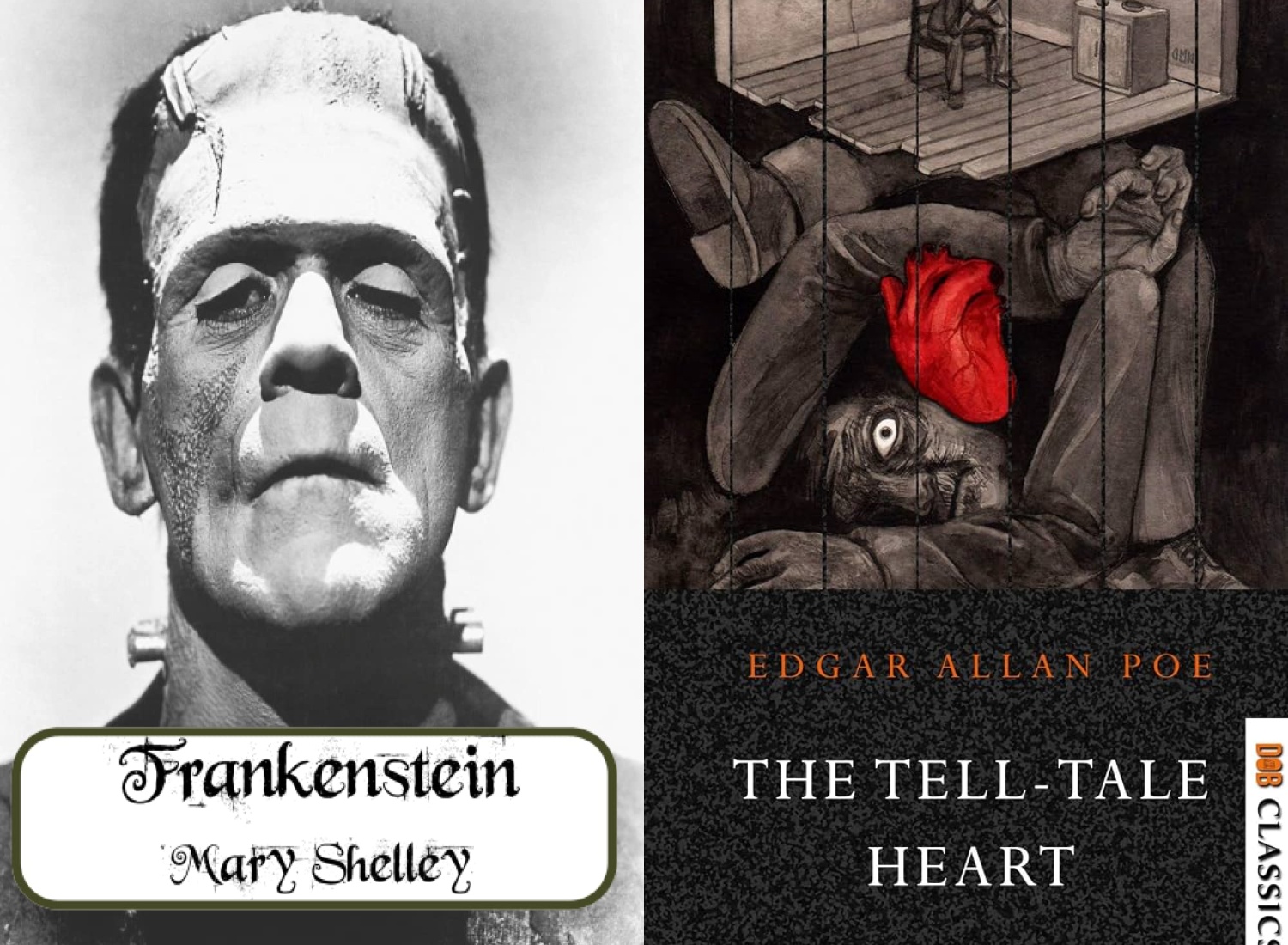
Mary Shelley’s Frankenstein, first published in 1818, remains compelling because its unease extends far beyond the creature itself. Victor Frankenstein succeeds in creating life, yet the novel leaves deeper questions unresolved: where responsibility begins, what happens when ambition exceeds judgement and whether the greater threat lies in the creation or the person who abandons it.
Edgar Allan Poe approached uncertainty psychologically. In The Tell-Tale Heart, tension emerges from guilt, obsession and an increasingly unreliable perception of reality.
Across architecture and literature, the Gothic turns familiarity against itself. A building, a body or an ordinary human ambition becomes unsettling once certainty begins to slip. Mystery starts precisely at that point: when something recognisable can no longer be completely understood.
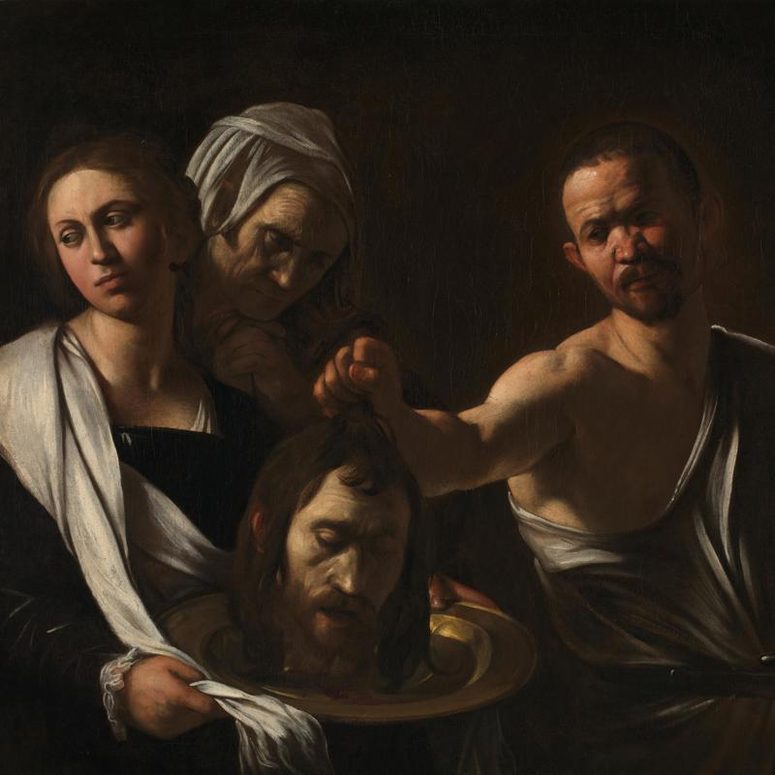
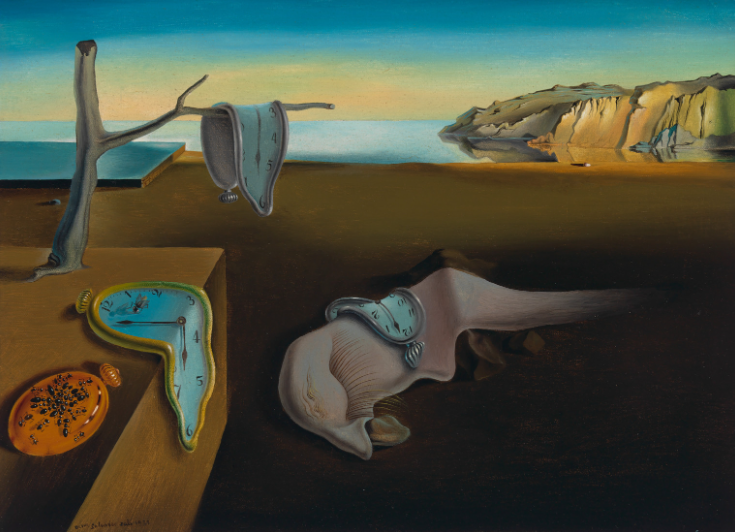
Left to right: Salome painting by Michelangelo Merisi da Caravaggio (About 1609-10) showcased at National Gallery, London and The Persistence of Time by Salvador Dalí at the The Museum of Modern Art, New York. Images courtesy of National Gallery, London and The Museum of Modern Art.
The Power of Partial Revelation
Where the Gothic makes familiar worlds uncertain, visual art can create mystery more selectively — by controlling exactly what the eye is allowed to see. Caravaggio achieved this literally through light. His use of chiaroscuro isolates gestures, faces and bodies while allowing surrounding space to disappear into darkness. In works such as Salome Receives the Head of John the Baptist, the eye is directed towards particular figures and actions while much of the scene remains obscured.
The viewer receives enough information to grasp the drama, while darkness intensifies its psychological force. Salvador Dalí destabilises perception differently. In The Persistence of Memory from 1931, watches remain instantly identifiable even as they become soft, distorted and physically impossible. An object associated with measuring certainty — time — suddenly becomes unreliable.
The mystery comes from recognition colliding with contradiction. Both approaches demonstrate an important principle: mystery often works best when audiences receive enough information to enter a work while retaining enough uncertainty to keep looking.
The Suspense of Withholding
Once mystery moves from a single image into a narrative, timing becomes as important as visibility. Film can decide not only what audiences see, but when they are allowed to understand it.
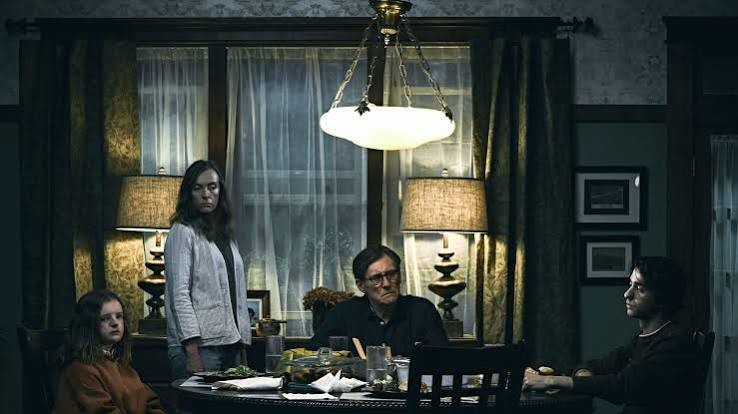
A24’s Hereditary (2018) demonstrates how contemporary horror can combine family trauma, unsettling imagery and supernatural uncertainty. Its effect comes from the gradual accumulation of details whose significance becomes clearer as the film progresses.
Crime narratives formalise the same process through clues, forcing audiences to revise earlier assumptions whenever new information appears. The pleasure lies as much in interpretation as resolution.
Mystery therefore makes audiences active participants. They notice patterns, test theories and reconsider earlier scenes as new information changes the meaning of what came before. The story becomes something mentally assembled rather than merely observed.
Mystery Without a Fixed Path
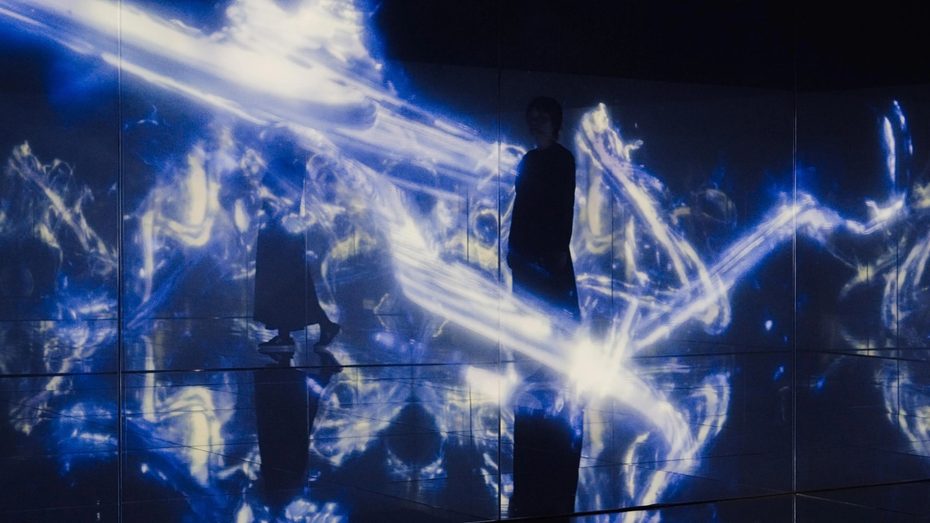
Immersive art takes that participation one step further. Instead of controlling when an answer arrives, it can remove the idea of a single route towards an answer altogether. At teamLab Borderless in Tokyo, digital artworks move across walls, floors and spaces rather than remaining contained within conventional frames. Some environments respond to visitors or migrate between rooms, making movement through the museum part of the work itself.
Visitors choose their own routes through the experience. One person may encounter an artwork differently from another simply because of where they walk, what appears around them or how long they remain in a particular space.
Mystery becomes experiential rather than something to solve. The value lies in exploration itself. Meaning can emerge through movement, repetition and discovery, with each encounter revealing a slightly different relationship between the work and the person experiencing it.
The Problem With Instant Explanation
These very different forms share one quality: they preserve a gap between encounter and explanation. Contemporary culture is increasingly designed to close that gap. The challenge today is the speed with which interpretation arrives.
Search engines, social platforms, explainers and fan communities can resolve cultural references almost immediately. A film’s ambiguous ending can be reduced to a definitive interpretation before viewers have finished discussing it. Museum labels, online archives and digital collections can provide detailed context before an audience has spent much time looking at an object itself.
Access to knowledge remains essential. Historical context can correct false assumptions, establish provenance and preserve the cultural significance of symbols and objects.
Provenance research itself illustrates the limits of explanation. It may establish who owned an object, where it travelled or when it changed hands, yet every discovery can open further questions about intention, relationships and meaning. Knowledge narrows one uncertainty while revealing another.
The problem begins when explanation arrives before observation. Looking at an artwork only after being told what to see can turn discovery into confirmation. Searching for the meaning of a film immediately after the credits can close possibilities that conversation might otherwise have opened.
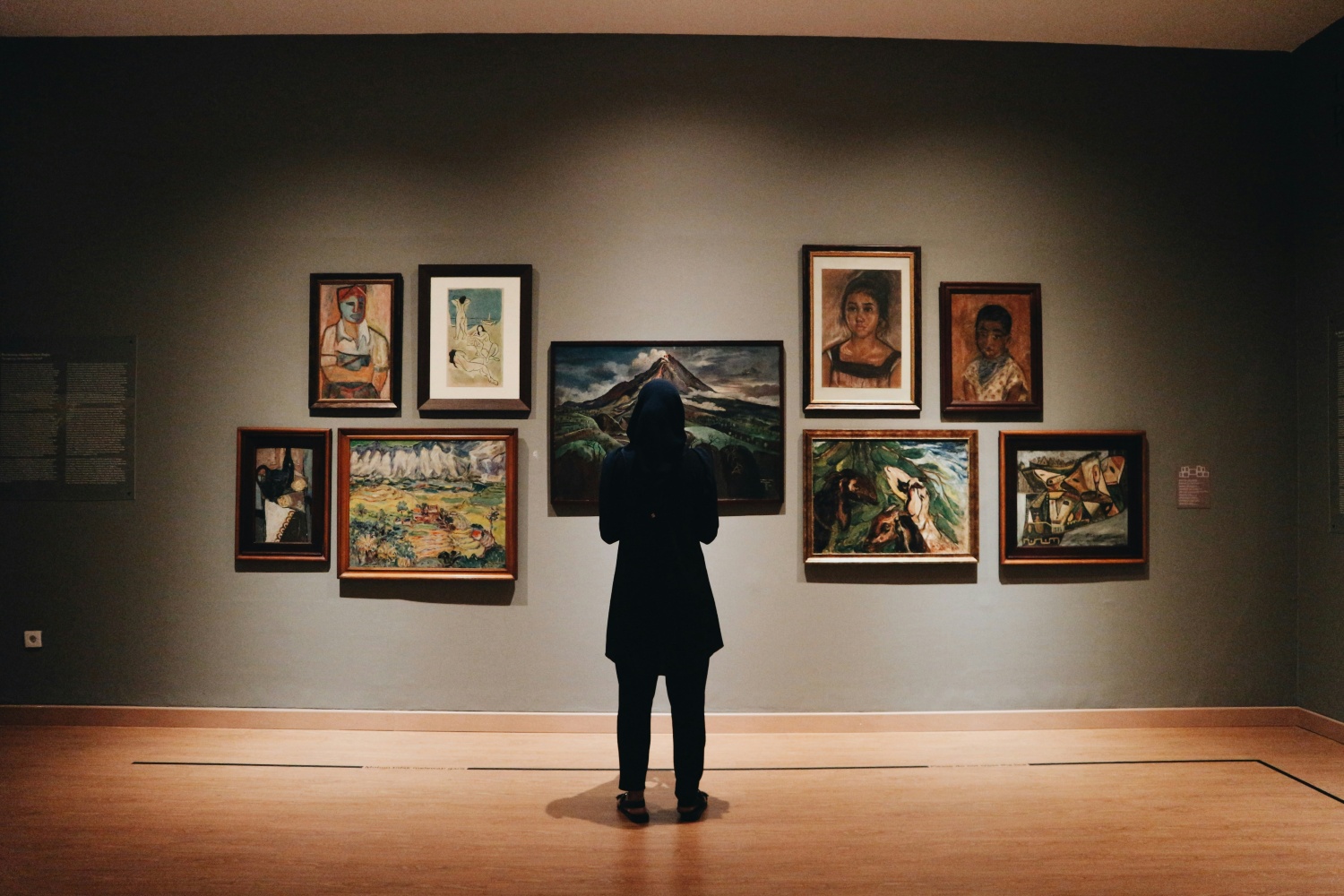
Mystery preserves another possibility: that understanding might unfold rather than arrive. Personal experience becomes part of that process. Two people can encounter the same painting, film or installation and notice entirely different details because they bring different memories, beliefs and expectations with them. Those responses can sit alongside historical fact and deepen the experience. Cultural engagement can continue long after factual information has been established.
The Joy of an Unanswered Question
The appeal of mystery lies in the interval between encountering something and deciding what it means. An ambiguous work asks for attention, patience and a willingness to let interpretation develop over time.
The strongest cultural works reveal enough to draw audiences in while leaving enough unresolved to reward another encounter. A painting can feel different when revisited years later. A film can acquire new meaning once its apparent solution is questioned. An installation can change according to the route taken through it.
In a culture built around instant retrieval, that delay has become increasingly rare. Information can provide context, but curiosity needs time to work before explanation closes the space around it. Mystery’s enduring pleasure lies there: in giving audiences something increasingly scarce — the freedom to wonder before being told what to think.
For more on the latest in culture and events, click here.
The post The Cultural Power of Knowing Less appeared first on LUXUO.