
Homeowners Hit With Alarming New Financial Burden That Now Exceeds Property Taxes Across America
Homeowners Hit With Alarming New Financial Burden That Now Exceeds Property Taxes Across America
In a surprising shift in the economics of homeownership, the cost of home insurance plus the weather-related portion of auto insurance now exceeds property taxes across three-quarters of U.S. counties.

A recent Bloomberg Intelligence analysis found that homeowners insurance premiums alone exceed property-tax bills in roughly two-thirds of counties. When the share of automobile premiums attributable to extreme weather is included, that figure climbs to 75%.
Over the past decade, county-average homeowners insurance premiums have increased 45% after adjusting for inflation, according to the analysis. Nebraska recorded a staggering 79% increase.
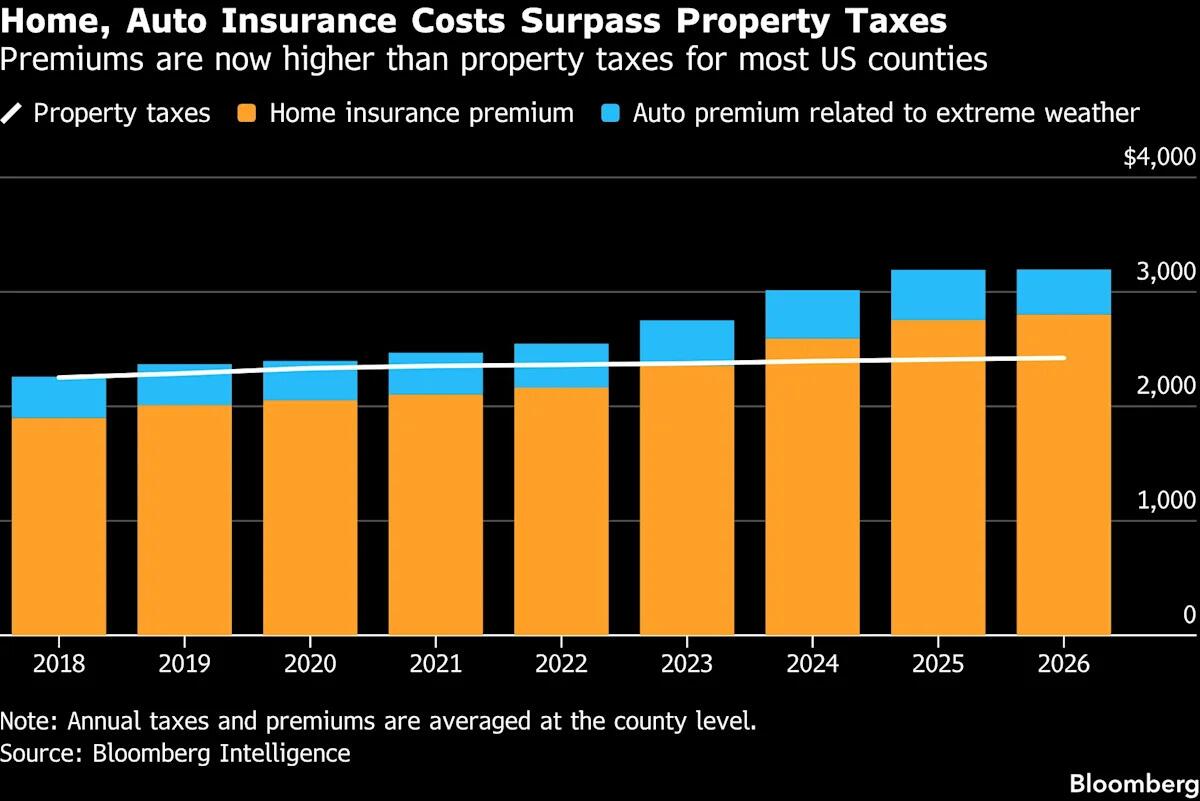
Across counties, homeowners now pay an average of 14% more for property insurance than property taxes. Moreover, homeowners face a 30% higher insurance burden than property-tax bill when weather-related auto insurance costs are included.
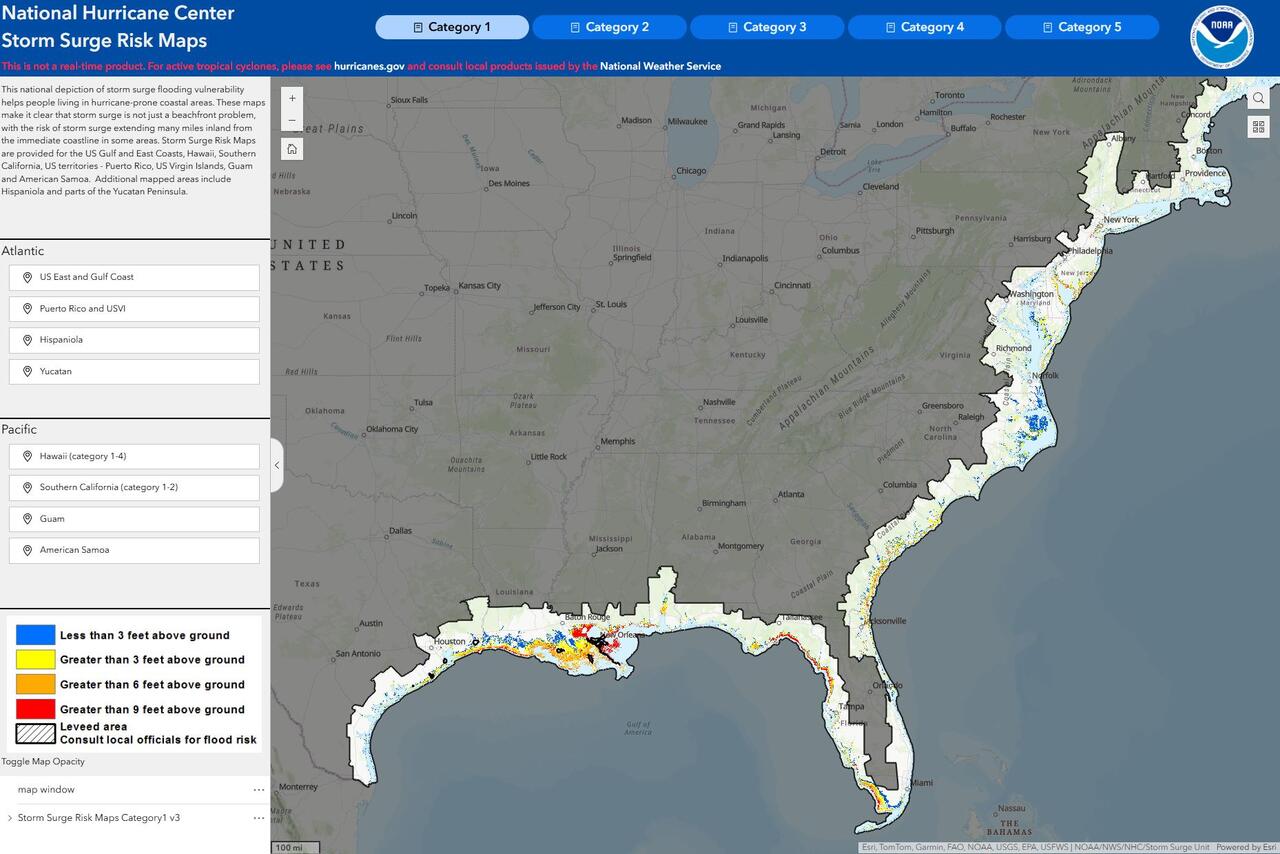
The financial burden falls hardest on the Southeast, where relatively low property taxes and exposure to hurricanes mean insurance premiums can run 2.5 to four times the typical tax bill. In the Northeast, the West and large metro areas, higher property taxes make rising premiums a smaller share of the overall bill.
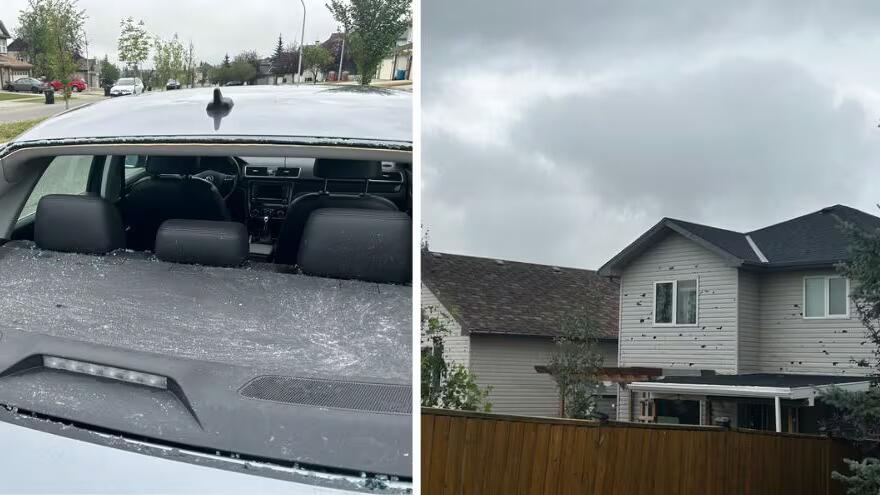
Colorado, Utah and Minnesota are leading the Midwest and Mountain West in insurance pressures as hailstorms and severe winter weather drive up claims.
Meanwhile, a Zillow and Thumbtack analysis found that the typical hidden cost of homeownership across the United States stands at $16,566 this year – up 31.7 percent over the past five years, and also found insurance premiums to have increased the most.
The findings come as the Trump administration shifts more disaster-recovery costs to state and local governments. The federal government has covered about 90% of disaster recovery over the past two decades, but the split is now approaching 50-50.
That shift is “a very daunting proposal for local government, local budgets,” said Bloomberg Intelligence analyst Andrew John Stevenson, who also. noted that localities lack the capital to deploy on an ad hoc basis.
Alexandra Glickman, global practice leader for real estate and hospitality at Arthur J. Gallagher & Co., said homeowners must be prepared to pay more for adequate coverage.
“You can’t necessarily stop Mother Nature,” Glickman said.
Tyler Durden
Sat, 10/24/2026 – 22:15