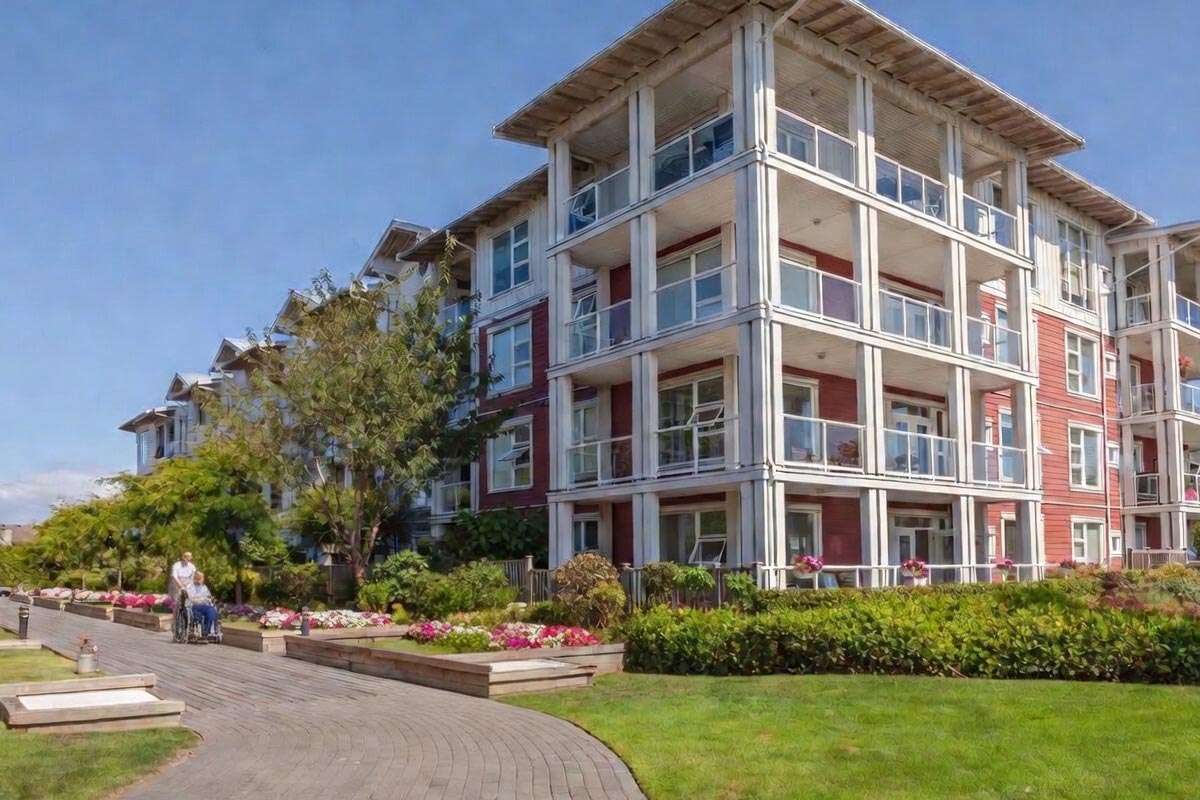
Luxury Senior Housing Is Attracting Capital That Used to Buy Hotels
BDT & MSD Partners is buying a majority stake in Sunrise Senior Living, the fifth-largest operator in the sector with more than 230 communities across the United States and Canada. The seller is Canada’s Public Sector Pension Investment Board. Terms were not disclosed, though a source familiar with the deal said the buyer values it at more than $1 billion. What makes it notable is the buyer. BDT & MSD, the firm managing Michael Dell’s fortune, runs roughly $20 billion and has built its real estate exposure almost entirely in hospitality, with investments including The Boca Raton, Four Seasons Hualalai, and a stake in the Auberge Collection. This is its first move into senior housing.
The oldest baby boomers turn 80 this year, and the population aged 65 and older has grown roughly 25 percent since 2015. Supply has not kept pace. Year-over-year inventory growth for senior housing was just 1 percent in 2025, the lowest level since 2006, and more than half the markets tracked in the Urban Land Institute and PwC 2026 Emerging Trends in Real Estate report have no senior housing developments in the pipeline at all. The National Investment Center for Seniors Housing and Care projects average occupancy will push above 90 percent this year.
Capital has responded accordingly. Investors spent $12.1 billion on senior housing assets in the first quarter of 2026, the highest total of any quarter in 20 years. Sales volume for seniors housing and skilled nursing jumped 135 percent in the first half to $21.8 billion, according to MSCI. Green Street has raised its 2026 acquisition volume forecast to $30 billion for the seven healthcare REITs it tracks. Welltower has deployed more than $23 billion. Ventas raised its 2026 investment guidance to $3 billion. American Healthcare REIT announced a $1.5 billion deal last month for 16 assets from multiple sellers.
The luxury end of the market seems to be getting the most traction. This mirrors what has been happening in conventional multifamily. Class A apartments have outperformed through a period when the broader market looked soft. Vacancy in high-end units fell from 11.9 percent in late 2024 to 11 percent by the third quarter of 2025 even as deliveries peaked. The least price-sensitive renters keep absorbing new product while everything below them fights on price.
Senior housing is running the same play with a sharper version of the same customer. Affluent households entering their eighties are selling homes they own outright, which makes them cash buyers in a rental product. They are also the cohort with the least exposure to the mortgage rate lock that has frozen so much of the for-sale market. Operators have responded by building something closer to a resort than a care facility. Ventas said it chose Revel Communities in part for its high-end, hospitality-driven model when it recapitalized 11 luxury communities for $540 million. Welltower paid roughly C$4.6 billion for Amica Senior Lifestyles communities in affluent Toronto, Vancouver, and Victoria neighborhoods. LCS completed a $1.2 billion acquisition of Vi in May and kept the brand intact as its luxury line.
As safe as senior housing might seem, there are still risks. Supply is constrained today because almost nothing was financed between 2022 and 2025, and that window is closing as construction economics improve and this much capital hunts for product. We would also note that operating margins in senior housing depend on labor markets that have been difficult for five years and show no sign of loosening. The shift in demographics is not in question. The question is whether senior housing will still be worth a premium once we get closer to the end of the “silver tsunami.”
The post Luxury Senior Housing Is Attracting Capital That Used to Buy Hotels appeared first on Propmodo.