Shibuya is changing – but in Tokyo’s trend capital, disruption is the only constant
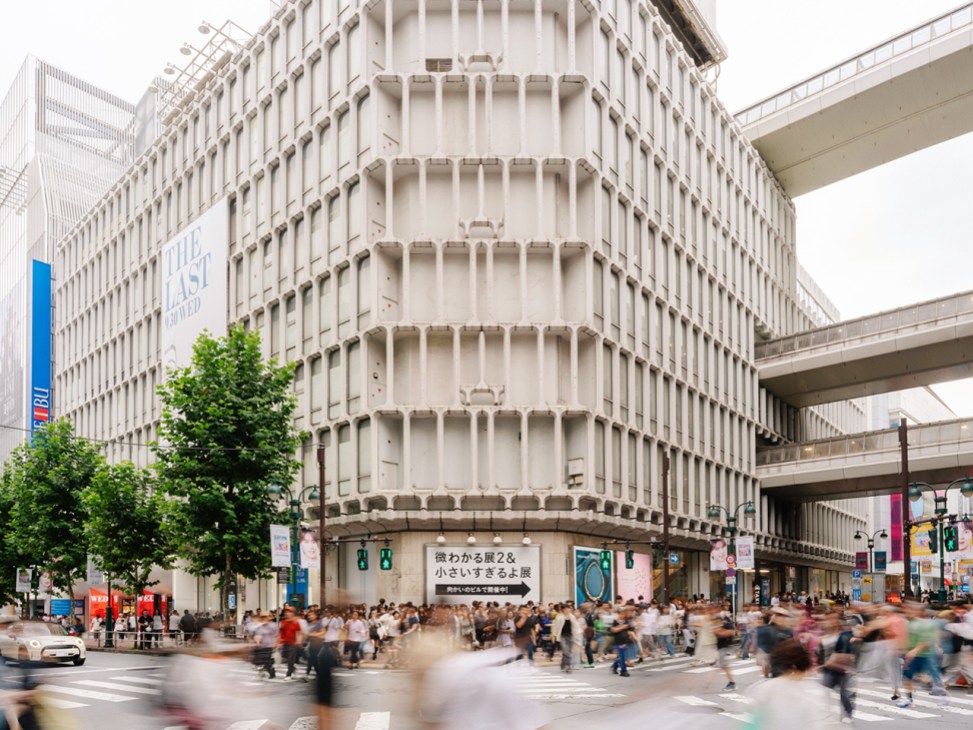
Tokyo’s Shibuya neighbourhood said goodbye to one of its most famous institutions this week when Seibu department store closed its doors after 58 years. Thousands turned out in the final weeks as operations wound down. Some came to snap up a bargain – towels, kitchenware and handbags were piled high and going cheap – while many regulars came for a last visit to Top’s café. People of all ages (myself among them) came to take snaps of the Showa architecture, a postwar style that many are belatedly waking up to just as it’s being demolished across the city. Elegant design details, such as the staircases and the arched walkways that connected two of the buildings, were well worth recording.
For a generation, Seibu was the place that shaped Shibuya’s position at the heart of Japan’s youth culture. It opened in 1968, just as Japan was rebuilding its confidence after the Second World War and the economy was booming. Seiji Tsutsumi, son of the wealthy founder of the Seibu Railway company, established the retail space close to Shibuya Station. It helped to launch the careers of young Japanese fashion designers who were given space in Capsule Corner, where Shiro Kuramata created transparent plastic display pods to showcase his clothes. Seibu stocked international names but championed homegrown brands such as Issey Miyake, Comme des Garçons and Yohji Yamamoto. It also had all the other obligatory features of the Japanese department store – the basement food hall, the rooftop play area and, of course, the pet shop.
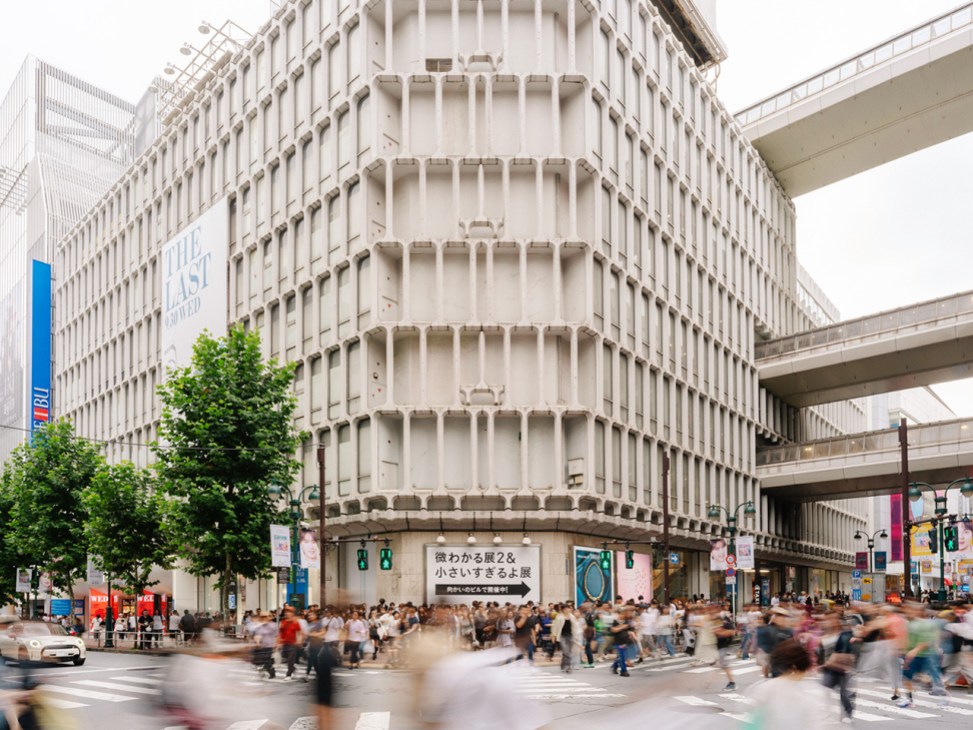
Shibuya has been responsible for many fashion trends, from Shibuyakaji (Shibuya casual) fashion in the 1980s to Shibuya-kei (Shibuya style) music in the 1990s. It was the epicentre of gyaru culture, whose startling look featured exaggeratedly loose socks and mahogany tans. Shibuya became the place to be in the 1970s, with the opening of era-defining shops such as Parco, Tokyu Hands and fashion emporium Shibuya 109.
The crowds are still here but the retail landscape has changed. Seibu is no longer the cultural force that it once was. Shibuya 109 still throngs; Parco was demolished but reopened in 2019 with its cultural programme of exhibitions, plays and cinema still intact. Tokyu Hands – which rebranded as Hands in 2022 – continues to thrive but the Shibuya branch is closing for good in November. The shop has always been hard to define: you could buy a hamster (I did) or a reconditioned boom box – and rely on its well-informed staff to know exactly which type of glue or kitchen cleaner worked best. You could while away hours there on a rainy weekend.
Though there are many other branches, the one in Shibuya is the mothership, a multi-story wonder on a cramped corner site. Real-estate company Hulic will redevelop the site as a luxury hotel. As someone who visits Hands at least once a week, it’s hard to imagine Shibuya without it.
Some feel that Shibuya is losing its uniqueness, its streets dotted with global chains and its distinctive department stores gone. Even the famous scramble crossing is now besieged by tourists, as police try to shepherd stragglers who are determined to get the perfect photo. Still, it doesn’t do to be too curmudgeonly about change. Perhaps it’s more realistic to see Shibuya as a place that belongs to whoever goes there. After all, transformation and novelty were always part of the district’s appeal. Just across from Seibu, the finishing touches are being applied to Japan’s first multi-story wooden retail complex, designed by Foster + Partners. Another chapter begins.
Fiona Wilson is Monocle’s Asia editor. For more opinion, analysis and insight, subscribe to Monocle today.
The post Shibuya is changing – but in Tokyo’s trend capital, disruption is the only constant appeared first on Monocle.