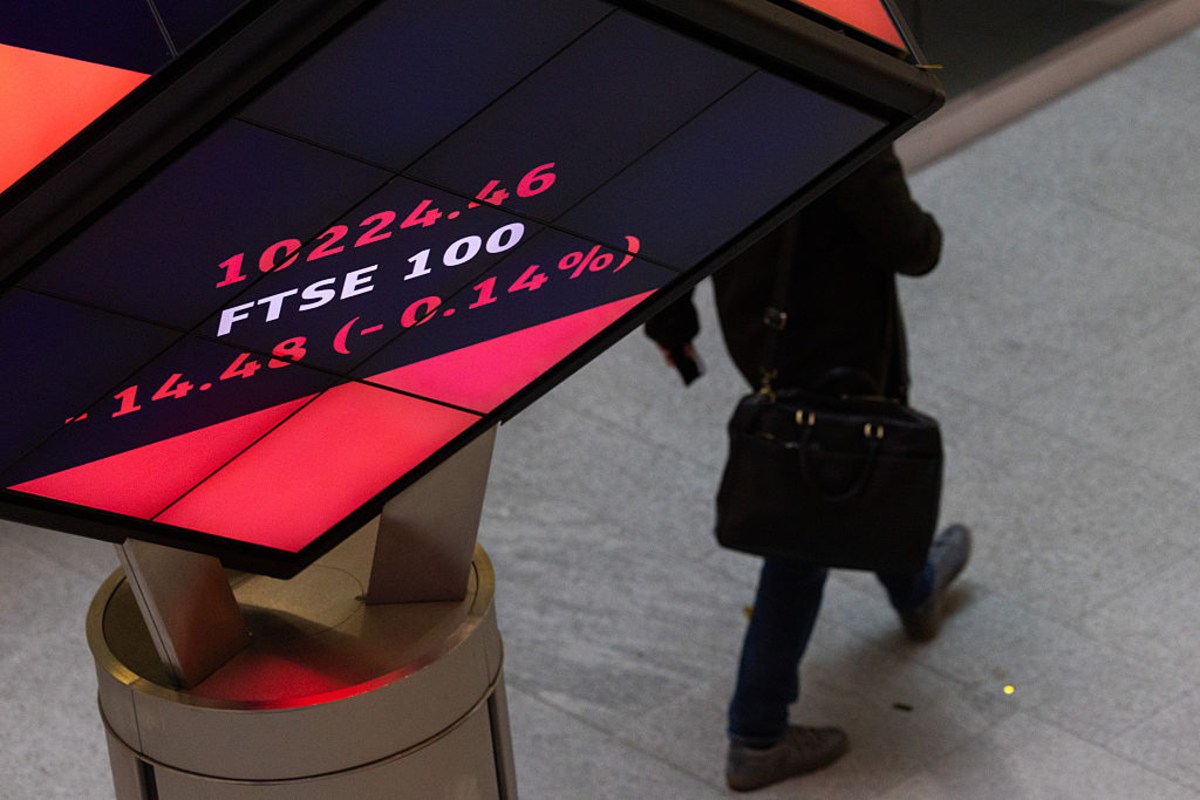
FTSE 100 suffers worst single-day sell-off since May
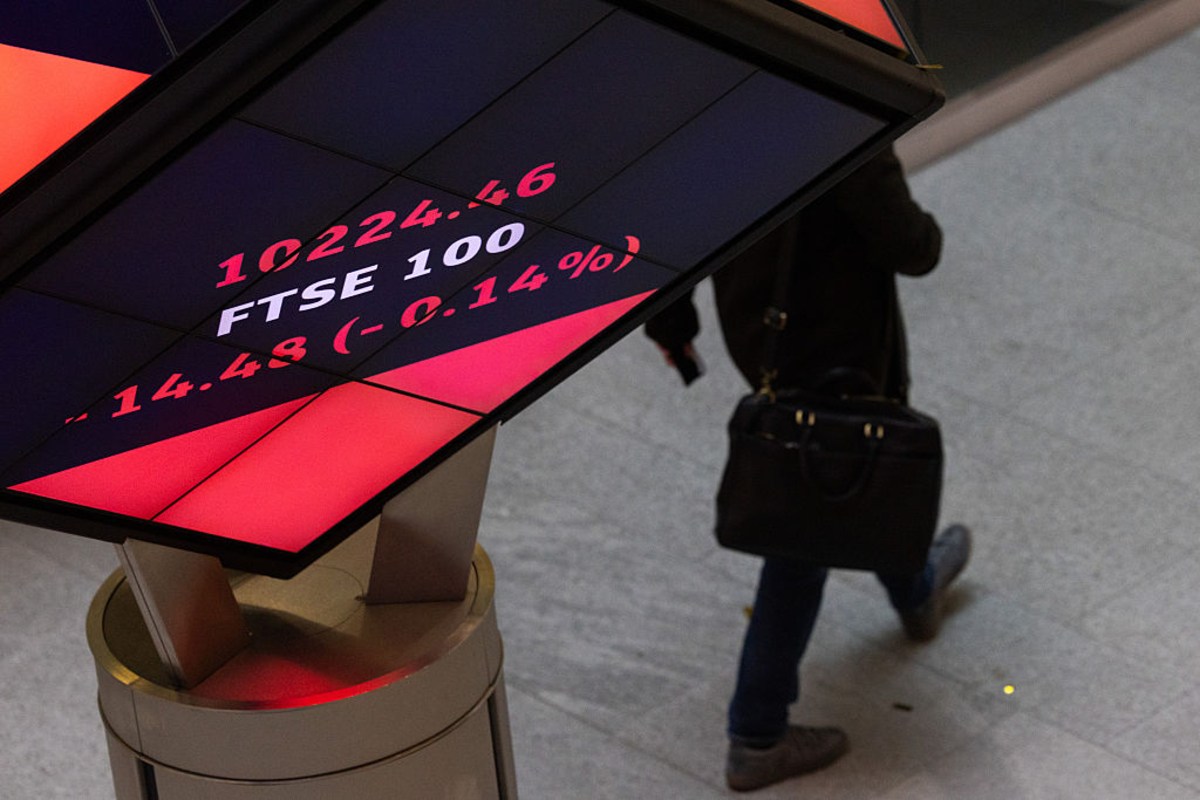
The FTSE 100 has suffered its biggest single-day drop since May as European markets are hit by a continent-wide rout in the bond markets, which has pushed pushed western government borrowing costs to multi-decade highs.
London’s blue-chip index dropped by two per cent in early trading, erasing all its gains from the third quarter in a single morning. The sell-off in UK equities led similar losses on stock markets across Europe.
France’s Cac, Amsterdam’s AEX and Frankfurt’s Dax were all down significantly at market open, in a move analysts attributed to a ratcheting up of energy prices and further strain on government bonds.
“It looks like the relentless rout in the bond market is sending investors running for cover,” Saxo investment strategist Neil Wilson said.
Banks led FTSE 100 losses, with Standard Chartered, HSBC and Natwest all down more than three per cent through Thursday morning. Housebuilders and construction companies including Weir and Barratt Redrow were also among the index’s biggest losers, as traders bet energy prices would remain elevated for longer.
FTSE 100 victim o bond market meltdown
The stock market rout came amid continued volatility in global bond markets. Concerns over sticky inflation caused by the war in Iran and western governments’ gaping budget deficits has triggered a bonds sell-off and led investors to shun long-dated government debt.
“Our bigger worry is deficits and not just inflation,” Mohit Kumar, chief Eruopean Economist at Jefferies, said. “Over a six-month to 12-month horizon, we are reasonably confident that oil prices would start reverting to normal which would ease inflationary pressure.
“However, we see no effort from any of the major economies to reign in deficits. Mid-terms in the US and a heavy election cycle in Europe implies that deficits will remain an ongoing concern in 2027.”
The spiralling borrowing costs will add to a wave of investor concerns over the finances of western economies as the conflict in the Middle East stretches into its eighth month. Government’s 10-year notes – the benchmark for a country’s long-term capacity to borrow – climbed across western economies. The US’s 10-year Treasury yield has risen by over 110 basis points so far this year, more than a full percentage point, as has the yield on the Japanese 10-year bond.
The sell-off has taken the yield on the UK’s 30-year gilt past six per cent for the first time this century.