Why is Burnham set to turn against the triple lock?
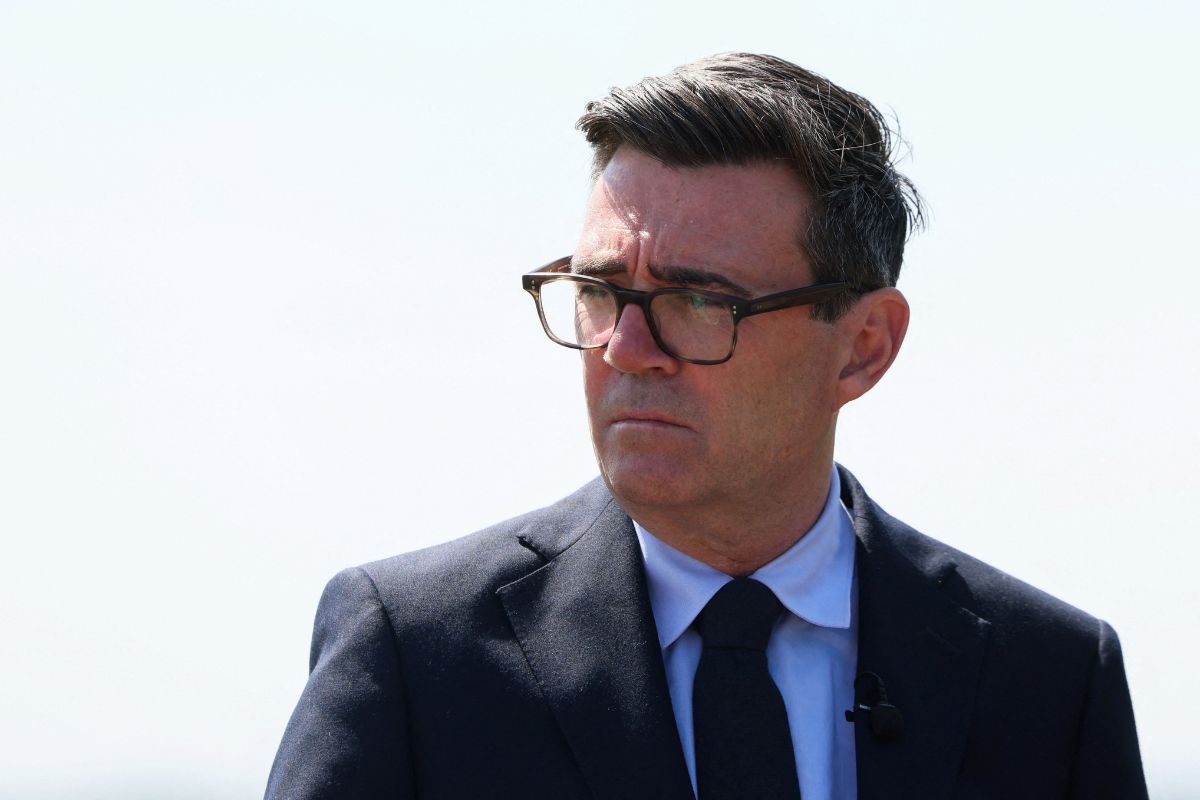
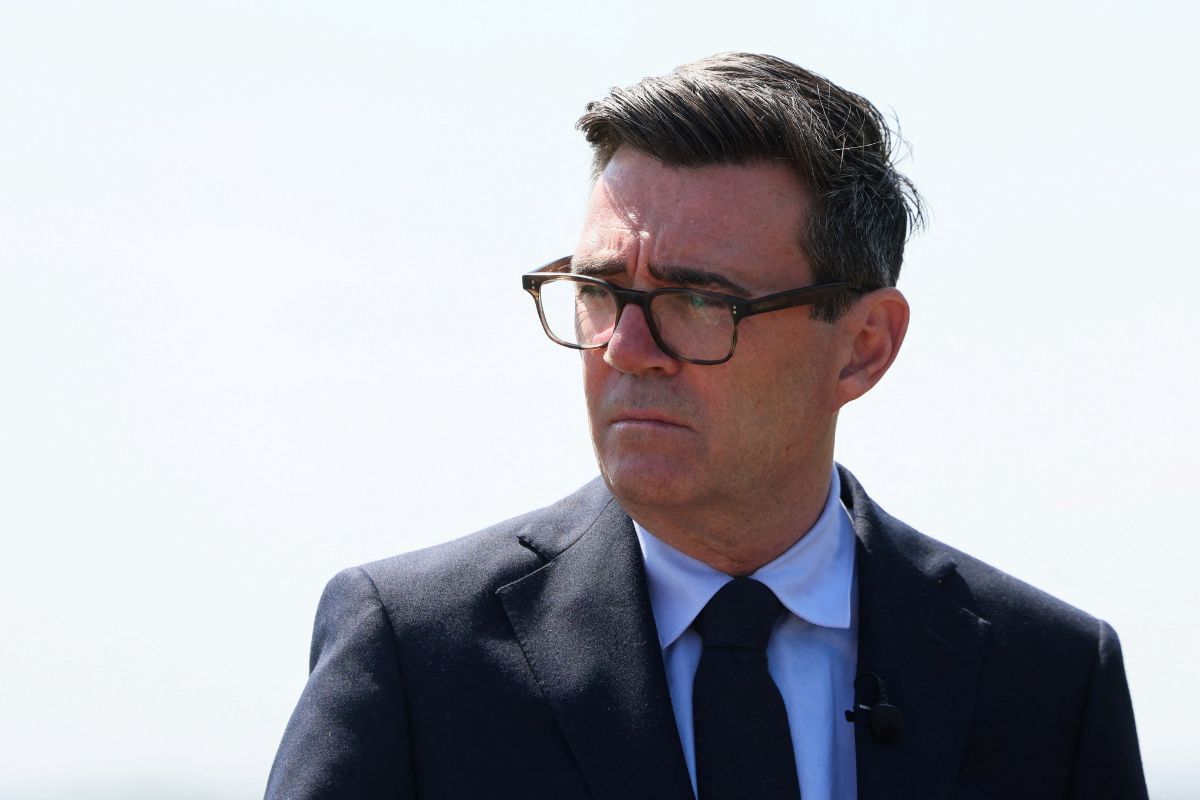
The controversial pension triple lock is reportedly set to face the axe as Andy Burnham looks to rewire the UK’s pension landscape to fund his plans.
In his maiden conference speech as prime minister on Tuesday, Burnham is expected to signal the death of the triple lock after 16 years, bringing an end to pensioner’s guaranteed yearly rise.
The policy causes the state pension to increase annually by either wage growth, inflation or 2.5 per cent depending on which is highest. He will suggest this model is not sustainable and should be reviewed in the party’s next manifesto.
Burnham pledged to uphold the mandate prior to becoming Labour leader saying he will ensure the “commitment in the manifesto stands”.
But he has been under pressure to ditch the policy in 2029, in order to bring to an end the familiar cycle of successive governments shirking tough long-term decisions to appease voters.
Care plans and Westminster ignorance
Burnham has previously said “nothing is off the table” to pay for his ambitious new social care system, which prompted fresh calls to remove the mechanism introduced by the Conservatives.
The prime minister’s mooted new care service is anticipated to cost £18bn annually, leading many to float using the state pension to fund it. The government guarantee will cost £146bn this financial year, amounting to 55 per cent of all welfare spending.
Burnham is expected to pledge to have an honest conversation with voters over the “difficult issues” he claims Westminster has ignored for too long and that are creating substantial problems for Britain.
“Politics-as-usual has taken Britain backwards. More of the same isn’t good enough and isn’t going to get us where we need to be.” Burnham will say in his speech later today.
The triple lock was introduced as a temporary measure but has since become a fixture in government spending, raising the cost of the state pension by £47bn in real terms.
Eye-watering costs
Combined with the rising age of the population, economists have argued this has driven the pension bill to levels unsustainable for public finances.
The Office for Budget Responsibility said the state pension triple lock would cost nearly £16bn more per year by 2030 than if a standard earnings-linked rise was maintained. This is nearly three times an initial forecast the independent forecaster predicted when the uprating mechanism was introduced.
The Institute for Fiscal Studies (IFS) also previously warned that keeping the triple lock could cost the government up to £40bn a year in today’s terms than if its rises were linked solely to wage growth.
Jonathan Cribb, deputy director of IFS, said: “Each increase in spending builds upon the last, and so the long-run cost is substantial but very uncertain.”
“The triple lock is the elephant in the room,” said Gresham House chief executive Tony Dalwood.
“Everyone knows it’s unaffordable and nobody wants to say so. If Andy Burnham is prepared to reform it… he deserves credit for facing reality.”
Labour divide
But the issue has caused deep cracks among Labour’s senior figures and cabinet ministers.
Sharon Graham, general secretary of Unite, likened the scrapping of the triple lock to “electoral suicide” but secretary of State for Scotland Douglas Alexander said young people are getting “a really raw deal” while pensioner’s income rises.
Cabinet ministers also reaffirmed Burnham’s prior commitment to stick to the manifesto, confirming the triple lock will stay intact during this parliament.
Speaking on Times Radio, deputy leader Lucy Powell rebuffed questions that the mechanism is being considered to pay for social care costs, saying Labour is “committed to the triple lock”.
“It’s in our manifesto. It was delivered for pensioners in this parliament. It is delivering for pensioners significantly,” said Powell.
If Burnham does scrap the triple lock it could also ignite backlash from across the aisle, with both the Conservatives and Reform saying they would retain it if they entered government.
Conservative leader Kemi Badenoch has said she is “100 per cent committed to the triple lock”, while Robert Jenrick also promised to protect it entering the next election.