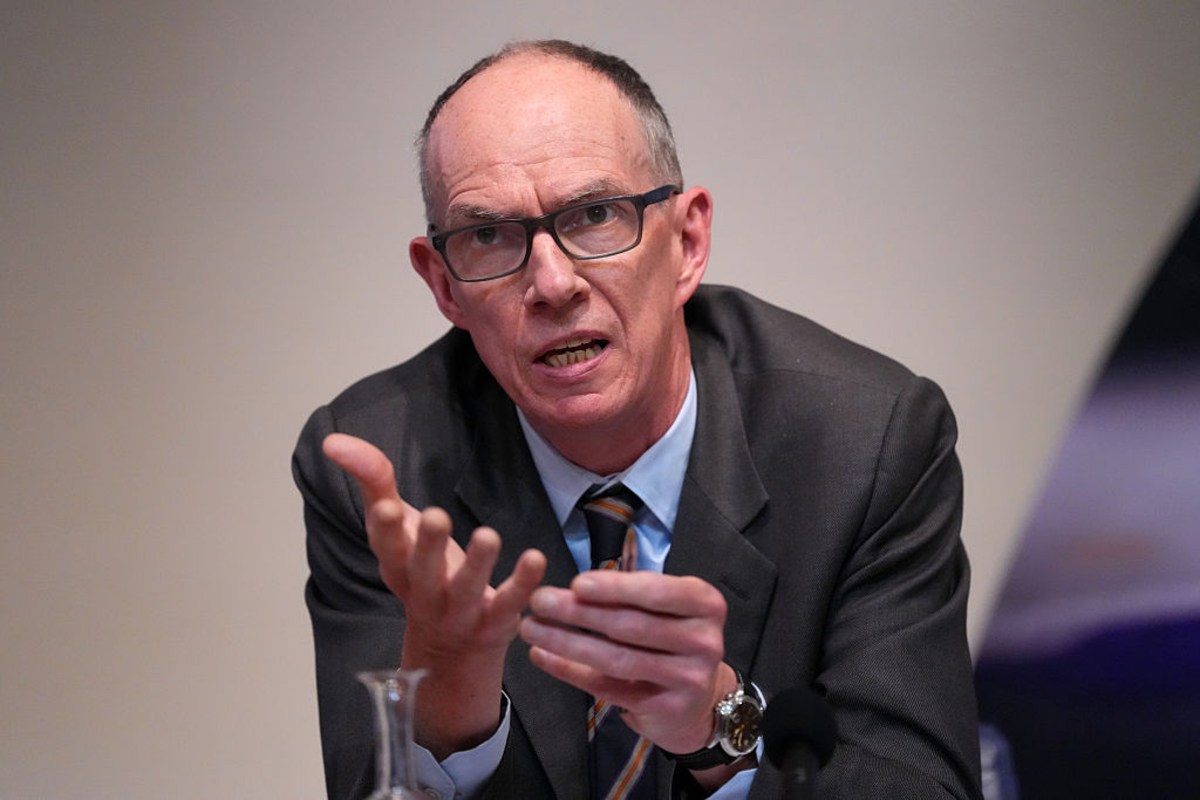
Bank of England’s Ramsden says interest rates will need to rise if pressures persist
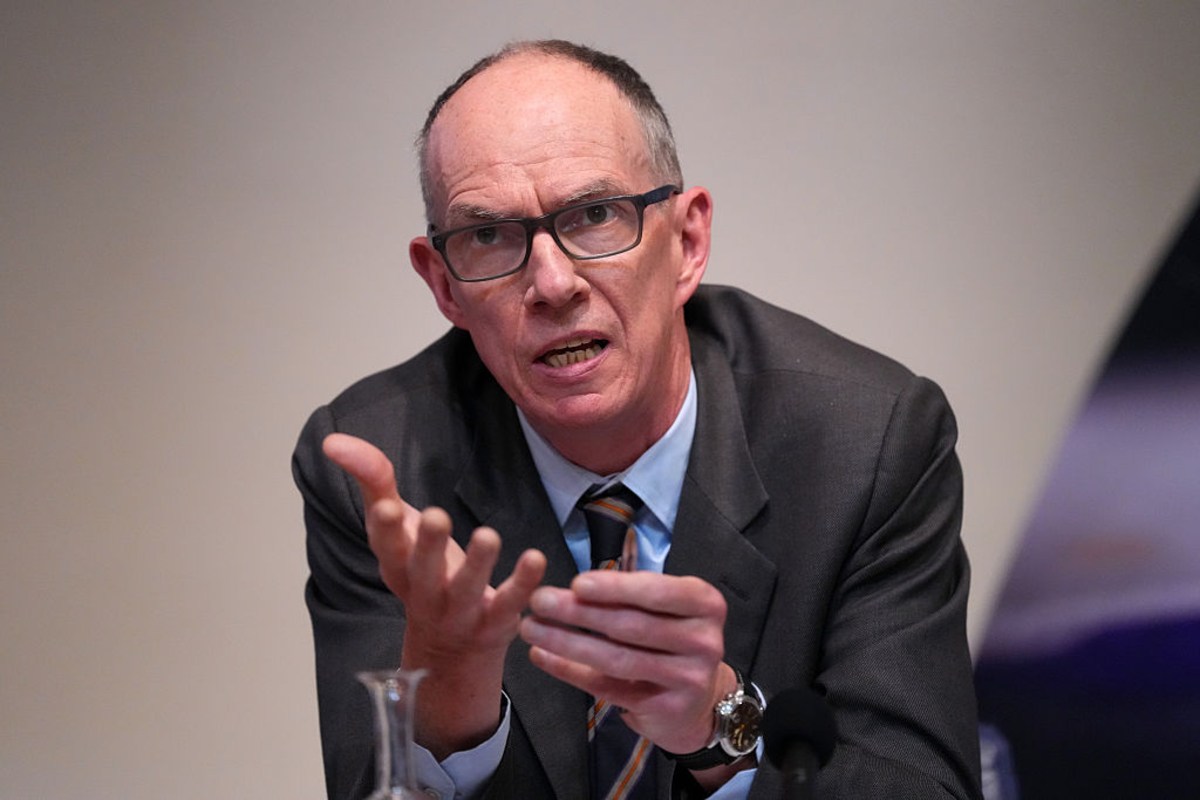
Interest rates may need to rise if growing inflation pressures continue to build, according to the Bank of England’s deputy governor, who added there had been “robust discussion” among officials over the authority’s recent bond sale overhaul.
Dave Ramsden, who leads the organisation’s oversight of markets and banking, said there would have been “at least two cuts” by now, had the US not launched its assault in the Middle East, and energy markets not been as substantially disrupted.
“Bank Rate being the ‘active’ tool doesn’t always mean it has to change,” he told a finance event in London. “Indeed a decision to hold can be an active response to the risks to the inflation outlook.”
“Indeed, with evidence that the disinflation process was on track at the time… I would have expected… Bank Rate would be at least 0.5 below where it is today,” he added.
The Bank of England’s Monetary Policy Committee opted to hold its central interest rate at 3.75 per cent for the sixth consecutive meeting earlier this month. Committee members argued that despite the far-reaching effects of the Middle East conflict on energy prices, there was little evidence that prices were accelerating elsewhere in the economy.
Interest rate holds have ‘tightened conditions’
Ramsden voted alongside the majority in favour of keeping interest rates unchanged, warning that inflation risks “have tilted more to the upside”. And speaking on Monday, he said the monetary authority’s decision to leave monetary policy since March had constituted a restriction given most market participants had expected a spell of lower interest rates. This had helped extinguish the threat of wider price pressure – known as second-round effects – for now, he said, warning that a hike might me needed absent a sudden thawing of tensions.
“I think the tightening we have seen in financial conditions since the outbreak of the conflict… has helped to limit the potential for some of the direct effects from the energy shock to propagate through to second round effects,” he told attendees, adding: “Whilst the policy stance continues to provide restrictiveness, were upside pressures on the inflation outlook to continue to build, there could be a case for increasing Bank Rate.”
Alongside their decision to hold rates this month, MPC members also voted to shake up the central bank’s bond sale programme, ending all its long-dated sales and overhauling how it offloads gilts to the market. Officials voted unanimously with the plan proposed to John Healey, which would see the Bank sell a portion of their gilt holdings directly to the Treasury. But speaking on Monday, Ramsden said there had been disagreements over the nature and structure of those sales.
“I do also want to note that the MPC considered important institutional questions regarding the potential interaction between monetary and fiscal actions and the independence of MPC decision making over monetary policy, which led to a robust discussion,” he said.