Tokenization Push Puts Focus on Utility, Costs and Market Structure

As tokenization moves further into capital markets, financial firms are weighing where the technology can deliver real benefits against the costs and market structure changes that could come with it.
Executives from Morgan Stanley, Coinbase, Broadridge Financial Solutions and Securitize discussed those issues at SIFMA’s Digital Assets Conference on September 23, including the cost of building new infrastructure, potential market fragmentation and growing institutional interest in collateral mobility.
The panel, “Tokenization – Evaluating the Benefits and Potential Tradeoffs for the Capital Markets,” was moderated by Peter Ryan, Managing Director, Head of Digital Assets and International Prudential Policy at SIFMA.
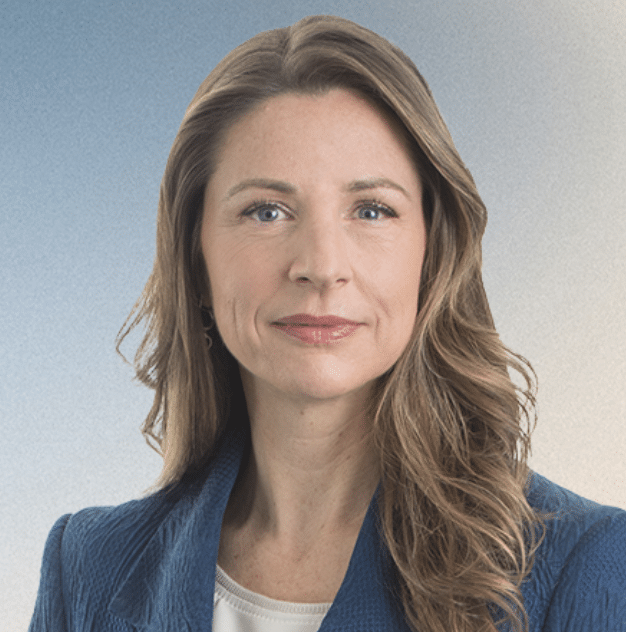
Amy Oldenburg, Head of Digital Assets Strategy at Morgan Stanley, said firms are still working through how much they will need to invest in the technology and infrastructure required to support tokenized markets. “I think everyone in the industry is really trying to get their heads around the capex spend that all of the firms need to really live through to be able to build the tech stack and the rails to support this going forward,” she said.
Oldenburg said firms are likely to operate traditional and digital infrastructure alongside each other for some time. “We likely do it for quite a while, a hybrid world, and that’s really where it gets pretty complicated,” she said.
Mark Nichols, Co-President, Digital Assets at Broadridge Financial Solutions, said institutions on both the buy-side and sell-side are already working through how to operate in that environment. He said that Broadridge has established a working group of more than 25 firms focused on operating in a hybrid market while maintaining existing operational and control processes. “It is very expensive for each firm to do it,” Nichols said. “There’s also a lack of talent in the market, frankly, that knows and understands what this really looks like.” He said firms are looking at ways to mutualize some of the cost of developing the infrastructure.
Brett Redfearn, President of Securitize, said the shift in the U.S. regulatory environment has helped create more room for firms to explore tokenized securities. He pointed to recent actions from the Securities and Exchange Commission, including its innovation exemption. “The messaging is clear. They are leading on tokenization. They’re leading on digital assets, and they’re actually encouraging market participants to try things and to do things.” Redfearn said the exemption could allow the market to test mechanisms already used in crypto, including automated market makers and liquidity pools, within a limited framework.

Liz Martin, Head of Institutional Product at Coinbase, described the approach as “definitely a sandbox”. “It’s very permissive and very restrictive at the same time,” she said. Martin said the framework does not address the large amount of U.S. equity activity taking place internationally outside the system, including through tokenized products and equity perpetuals.
The volume caps could also make the economics more difficult. “It’s going to be very costly to launch these capabilities with the caps limiting how you can recover that cost,” Nichols said.
Nichols said Broadridge is also hearing questions from issuers about what it would mean for their shares to trade through different mechanisms and on public blockchains. “People are keen to do it. Great opportunity to innovate, but there is clearly a lot of questions and sort of concern around this,” he said.
New Markets, New Costs
Ryan asked whether having the same security trading in several places and across different blockchains could increase fragmentation in capital markets.
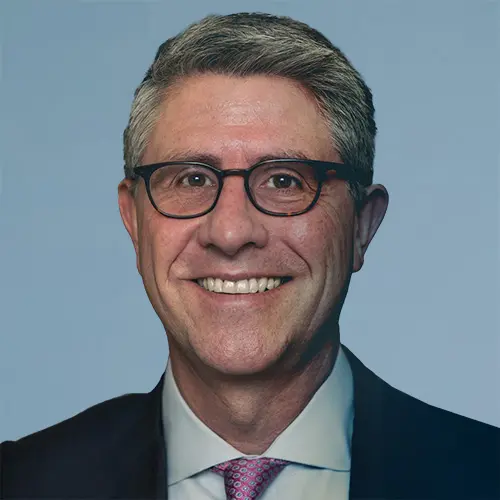
Redfearn said fragmentation is already a feature of U.S. equity markets, where securities trade across exchanges, alternative trading systems and other venues. “This is definitely a new form of fragmentation potentially coming,” he said. Redfearn pointed to Securitize’s own stock, which trades on both Avalanche and Solana, and said it will be “interesting to see” how securities on different chains ultimately connect.
Meanwhile, Nichols said investors will need to understand the financial consequences of the different models, including differences in pricing, fees and netting. “I think investors need to just understand the consequences of the different models,” he said.
He said large institutional banks will have to consider whether they are willing to give up existing netting benefits to participate in some tokenized markets. “Fragmentation at the execution layer, people can connect to many venues very easily,” he said. “It’s more about the financial resource consequences that happen underneath, and are people willing to bear that cost?”
Oldenburg said the benefits to the end user need to be clear, particularly when tokenization is being applied to markets that already operate efficiently. “The equity markets in the U.S. are very efficient,” she said. “Whatever is delivered needs to either be better than that or be serving a population that we don’t currently serve.”
Redfearn also said tokenization itself should not be the objective: “We don’t believe in tokenizing a stock or tokenizing a fund solely for the purpose of tokenizing it,” he said. “The question is, what is the utility that comes from that?” Redfearn cited collateral portability as one potential use, including the ability to use a position as short-term collateral, lend stock or place assets into regulated pools.
Ryan said collateral mobility is “probably the number one thing” SIFMA hears from its members and others when discussing the benefits of tokenization.
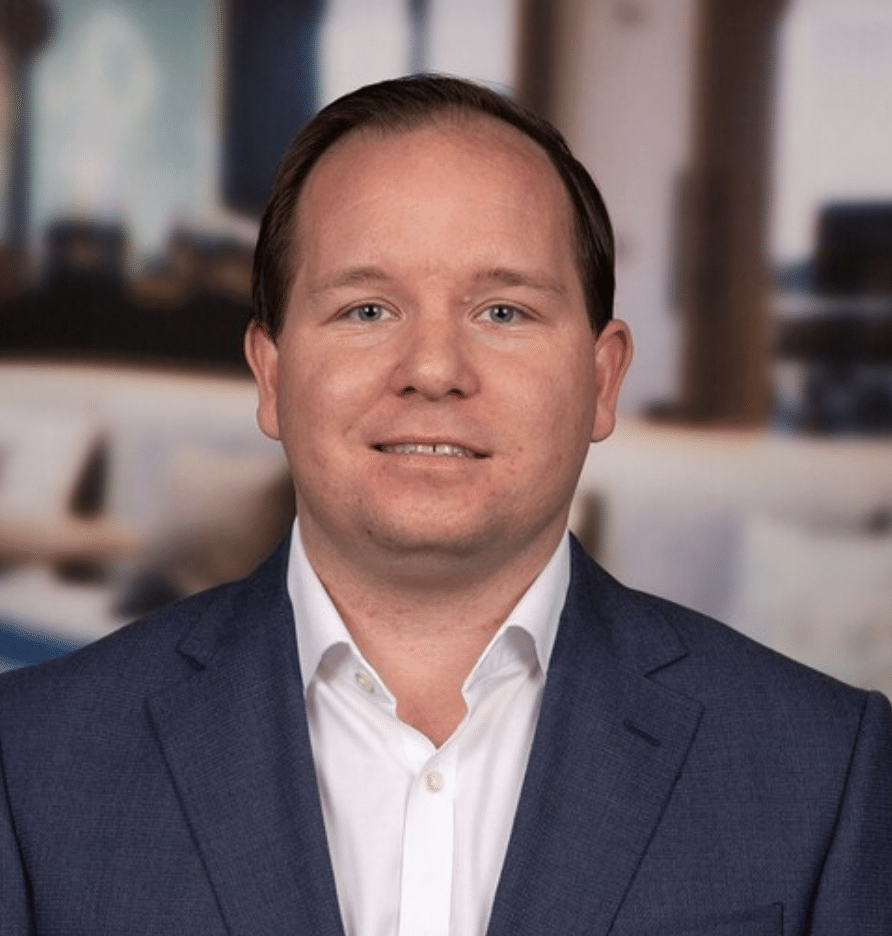
Nichols pointed to Broadridge’s Distributed Ledger Repo platform as an institutional example. He said the platform has reached about $385 billion a day in activity, with more than 20 firms participating daily. He said the platform is being used for cross-border financing and moving assets between entities, allowing firms to position collateral where it is needed. “The ability to fund themselves more efficiently, leveraging the 24-seven capabilities that we’ve mentioned, getting assets where they need to be, sort of just in time rather than just in case,” he said.
He added that Broadridge is also seeing demand to move beyond U.S. Treasuries into other G7 government securities and to enable tokenized collateral to move across different market infrastructures. “There’s material operational cost. There’s material capital cost. There’s material liquidity cost that they’re able to take out,” he said.
“We’ve got clients that have recognized tens of millions of cost savings, billions of liquidity and capital savings as well during that platform, and we’re seeing more and more demand,” he added.
Oldenburg said Morgan Stanley frequently hears a basic question from clients: is tokenization “a solution looking for a problem?”
“If all of a sudden, you are saving massive capital and efficiency, being able to use collateral management, but what you need to do that is underlying tokenized assets and being on those digital rails, then you have to tokenize. That is the value,” she said.