



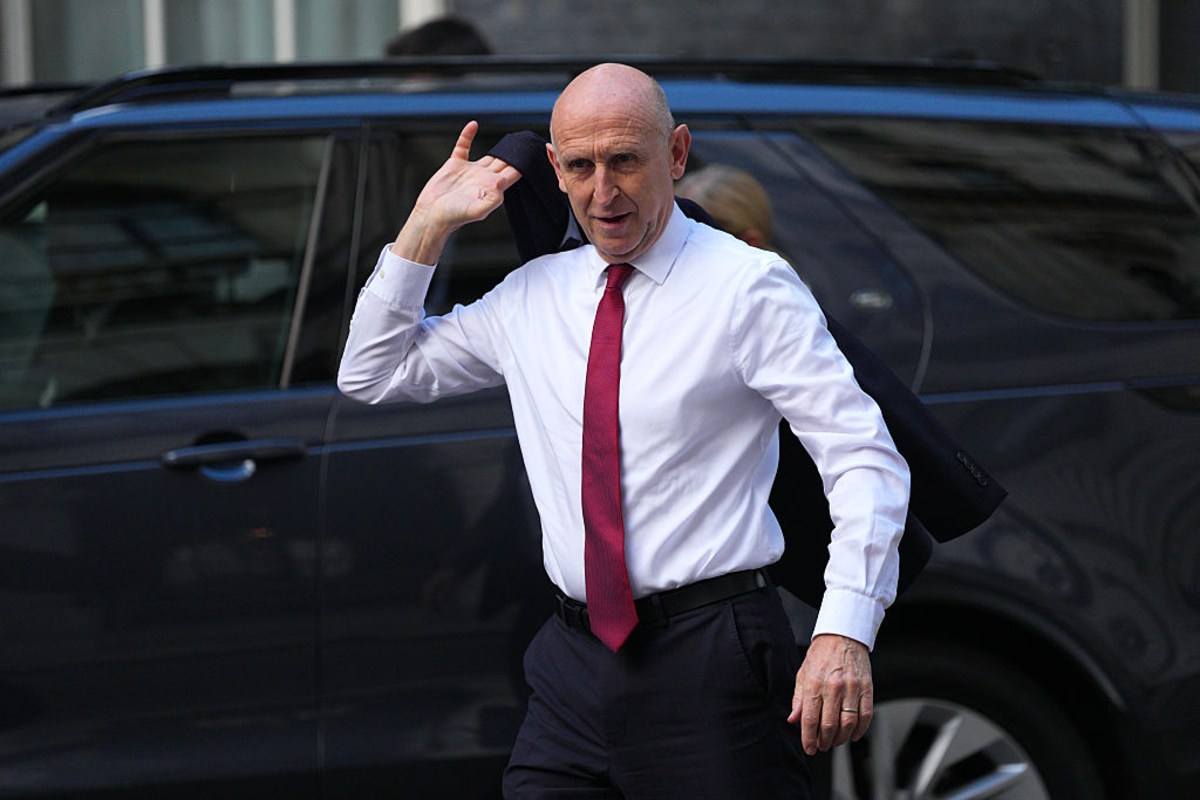
Healey plan to slash headroom would ‘not be received well’ by nervous bond market
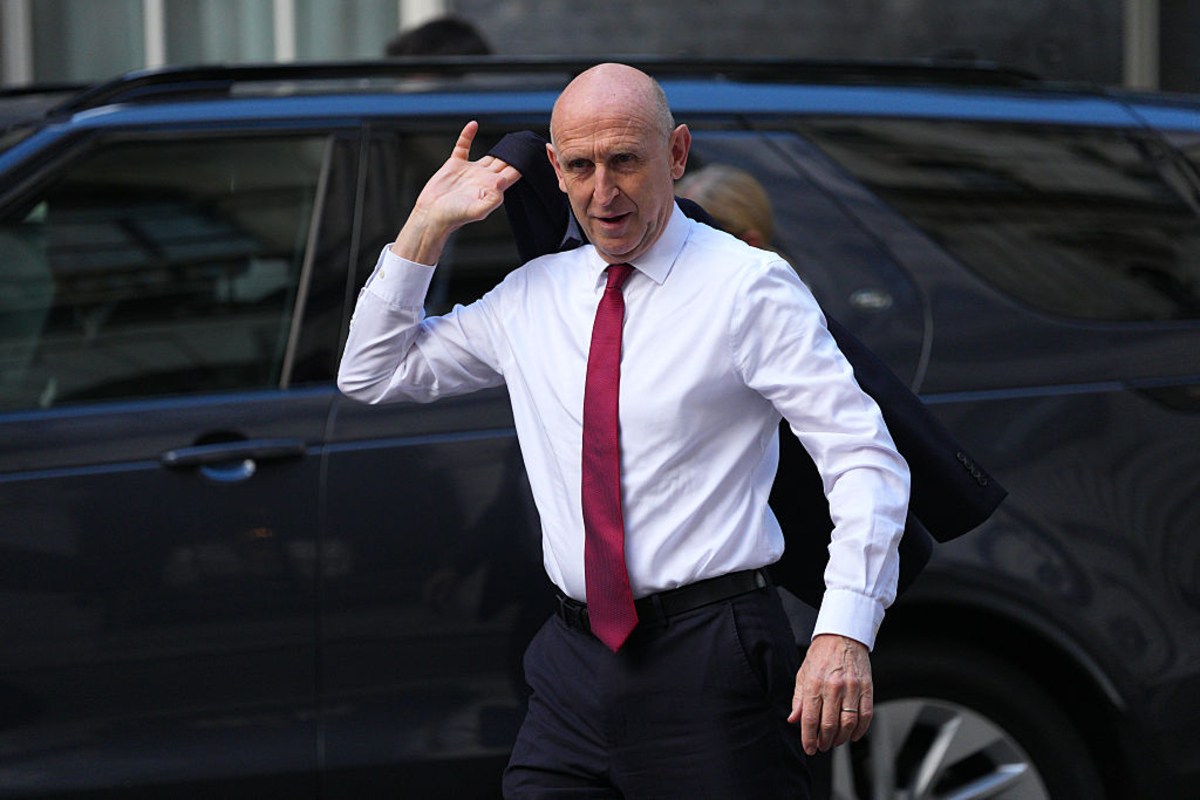
John Healey’s reported plans to slash the breathing space the government has before it breaks its spending rules would spark a negative bond market reaction and lead investors to question the country’s commitment to fiscal credibility.
Bond traders told City AM that any attempt to significantly reduce its so-called fiscal headroom would leave the country exposed to breaking its spending rules amid one of the most volatile periods for government bonds in recent history.
“Cutting the headroom would not be received well, given the commitment to maintaining it,” David Zahn, Franklin Templeton’s head of European fixed income, said, adding: “Lowering the headroom would lead the gilt market to question the UK government’s commitment to longer-term fiscal stability: is this just a one-off adjustment, or the start of further fiscal loosening?”
The Chancellor is said to be weighing whether to leave a smaller gap between his spending plans and the fiscal rules, despite promising to ensure a “buffer for uncertainty” when he entered office at the start of the month.
A combination of the Iran war’s effect on the bond market, a flurry of fresh spending commitments, and a string of worse-than-expected government borrowing figures have left the Treasury facing the prospect of a third tax-raising Budget in as many years.
Analysts and economists have said that another fiscal consolidation is “inevitable”, identifying sector-specific taxes like a windfall tax on banks and the gambling industry as the most likely targets.
Any attempt to reduce the headroom would help minimise the severity of those tax rises. But it would also risk triggering a sell-off in the UK’s sovereign debt at a time when the government is already forced to pay the most any major economy to borrow money, investors said.
“Headroom is also there to give the government a better chance of hitting its fiscal rules and to show markets how the government will ensure public borrowing is on a sustainable path,” Robert Wood, chief UK economist at Pantheon Macroeconomics said, adding: “We have to ask, does the government have high confidence that the global bond sell-off is finished here and the risks to energy prices are skewed down rather than up?
“We could easily be back two weeks after the Budget, with the new lower headroom gone. How would that demonstrate the credibility of future consolidation?”
Bond sell-off upends Healey’s plans
The UK’s government bonds, known as gilts, have been at the sharp-end of a global sell-off in government debt driven by the Middle East conflict’s effect on energy prices and western governments’ gaping deficits.
The yield on the 10-year gilt, the benchmark for the government’s long-term capacity to borrow, has risen by 130 basis points – or more than a full percentage point – since Labour entered office in July 2024. Shorter-duration debt has also risen dramatically on expectations that the Bank of England will raise interest rates because of the Iran war’s inflationary impact.
The jump in gilt yields across the curve has eaten into John Healey’s spending capacity, leaving the UK spending £200bn a year on debt interest. Along with spending commitments like a cap on bus fares and the removal of VAT from energy bills, it has eaten into the headroom left by Healey’s predecessor, Rachel Reeves.
Last year, Reeves opted to more than double her fiscal buffer to £24bn in an attempt to avoid having to raise taxes or cut spending the following spring and reduce speculation over future tax rises. Any move to reduce that, first reported by the Financial Times, would leave the government vulnerable to the same external factors that forced the Starmer government to launch an unexpected tax raid and ill-fated welfare overhaul in its first Spring Statement in 2025.
“Investors are likely to be less concerned with the precise size of the Chancellor’s buffer and more focused on whether the Budget demonstrates fiscal discipline,” Richard Carter, head of fixed interest research at Quilter Cheviot, told City AM. “Reduced headroom can be tolerated, but markets will still want confidence that the government’s borrowing trajectory remains sustainable.”
The Treasury was contacted for comment.