How Zürich’s rich visual history made it a poster child for graphic design
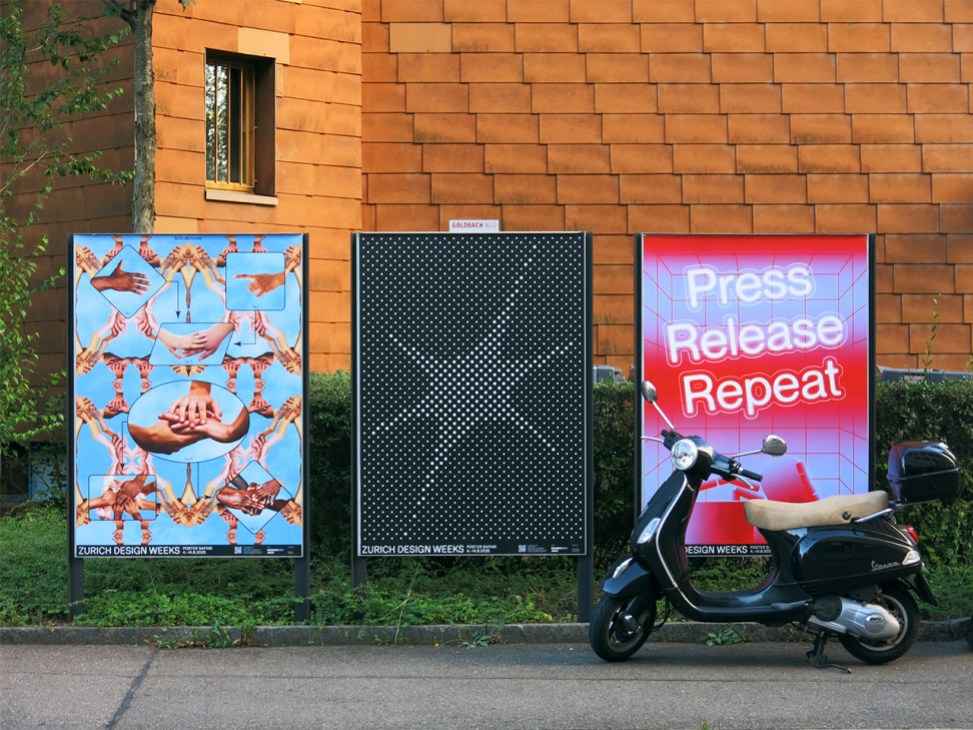
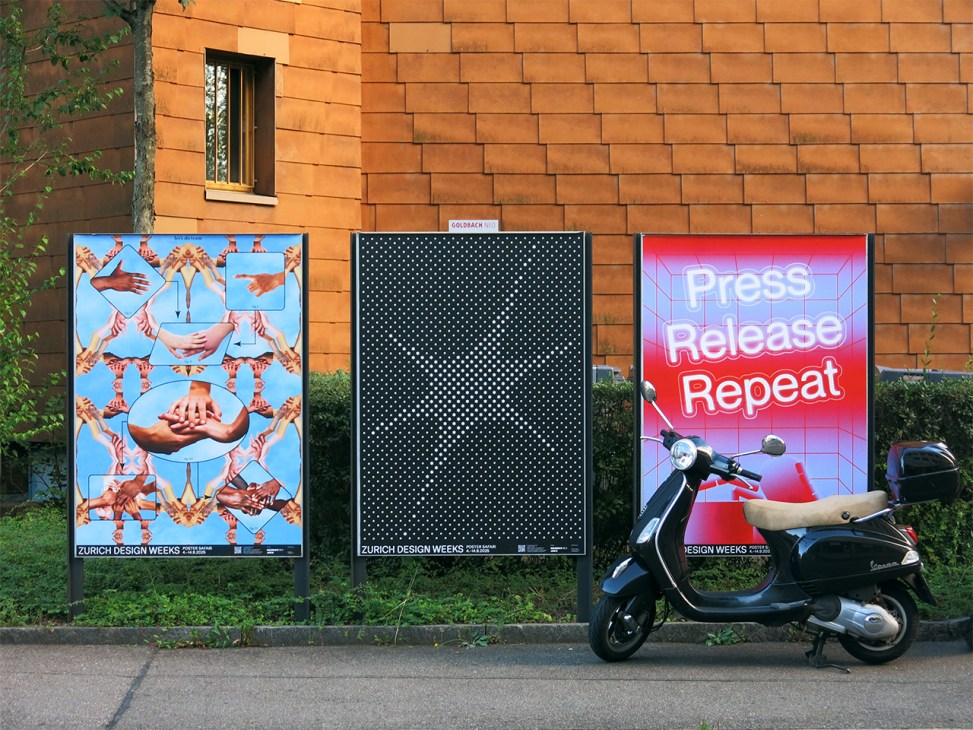
As you walk through Zürich’s Kreis 5 this week, it’s almost impossible to miss the large-format posters displayed throughout the district. The showcase, which is part of Zürich Design Weeks Poster Safari programme, aims to make graphic design accessible to the general public. It’s also a celebration of the city’s rich visual history, which has gone on to shape graphic design globally. Though digital screens are making headway in the city’s airport and train stations, the paper medium has been integral to the streetscape for nearly a century, displaying works from a host of local graphic design firms, such as producer of the annual Zürcher Theater Spektakel campaign Studio Markus Kraft.
The pivotal moment for the rise of the poster came in the 1930s and 1940s, when the Zürich concretists set a new tone. At the time, many artists had kept quiet about making a living through commissioned graphic work, worried that commerce might taint their artistic credibility. The concretists thought differently. They wanted to be both artists and designers, and saw no contradiction in that duality. The founder of the concrete art movement, Max Bill, and his circle showed that poster design could combine authentic creation and applied work.
The concretists’ influence helped to shape what we now call “Swiss style”: clean typography and smart grids that still feel fresh decades later. New posters continue to be hand-pasted on boards and, in typically Swiss fashion, they are carefully aligned to avoid overlapping. Design discipline meets Swiss punctuality, right there on the street corner.
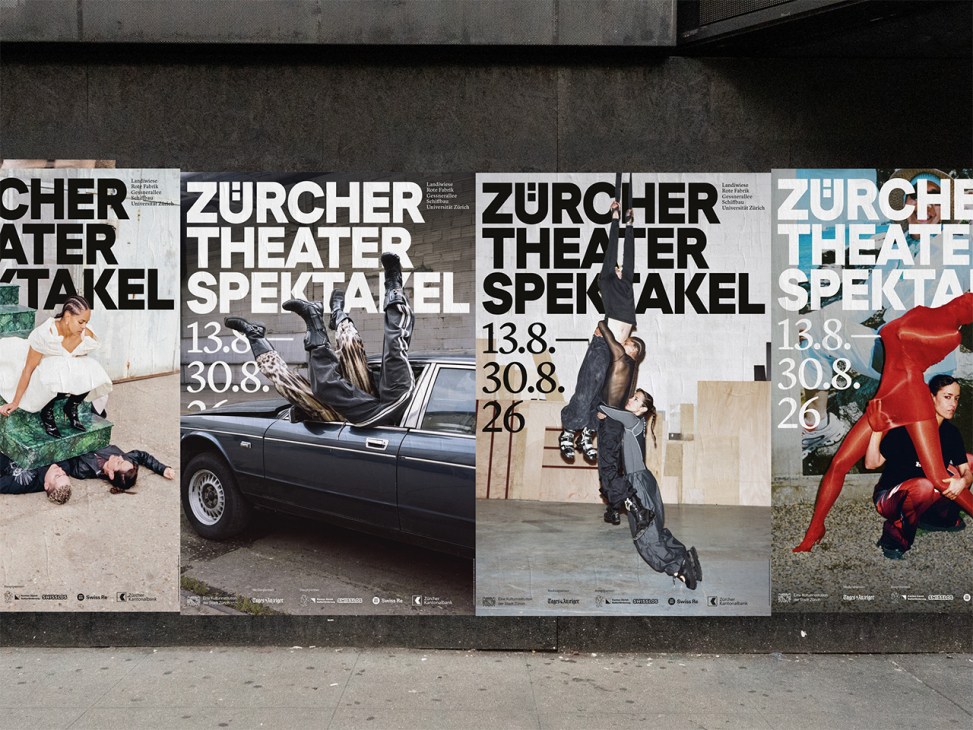
Outside Zürich Design Weeks, the Museum für Gestaltung carefully preserves the rich cultural history of the poster. It houses one of the world’s largest collections, with more than 385,000 works telling the story of how this print medium evolved from the mid-19th century to today. It’s the kind of collection that makes design students swoon and locals quietly proud. Paper posters give a rhythm to city life, inviting commuters to pause and notice the colours and typefaces, and how the city reinvents itself every week. Zürich wears its design heritage on its walls year-round.
The post How Zürich’s rich visual history made it a poster child for graphic design appeared first on Monocle.