Ukraine hits out at EU decision to unsanction former Arsenal owner Usmanov
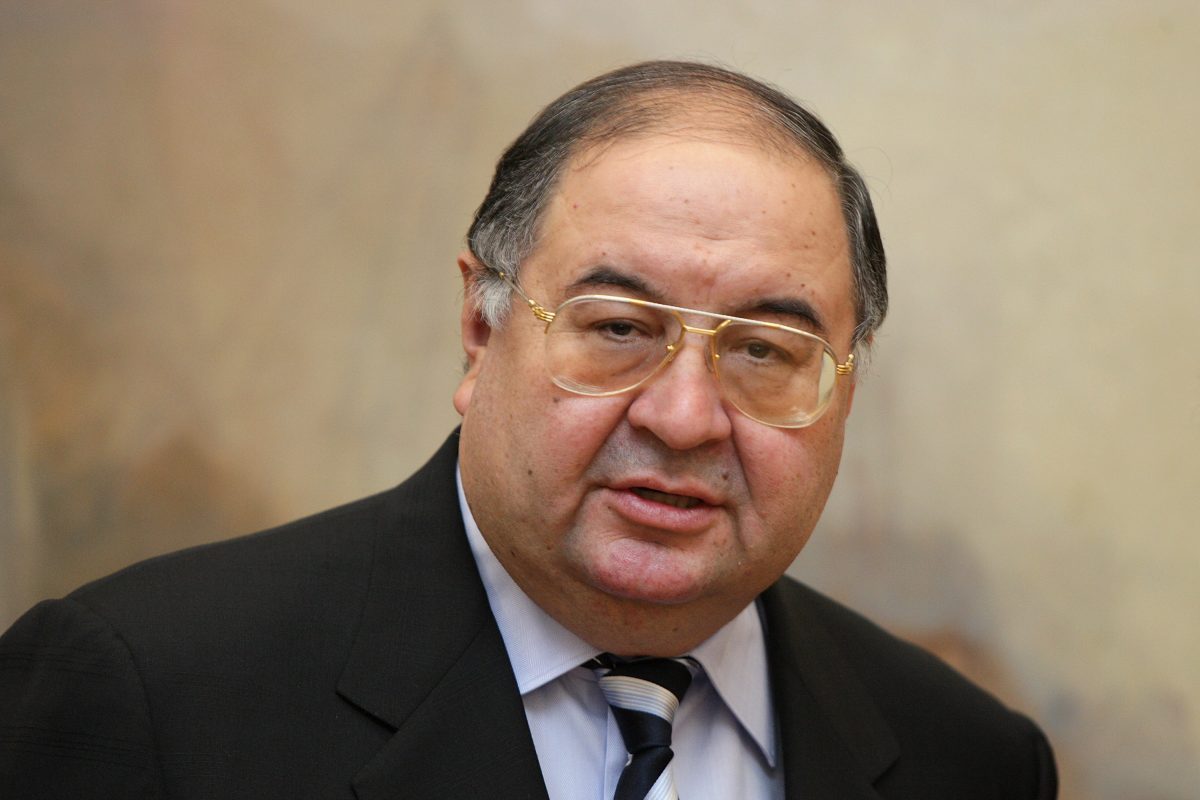
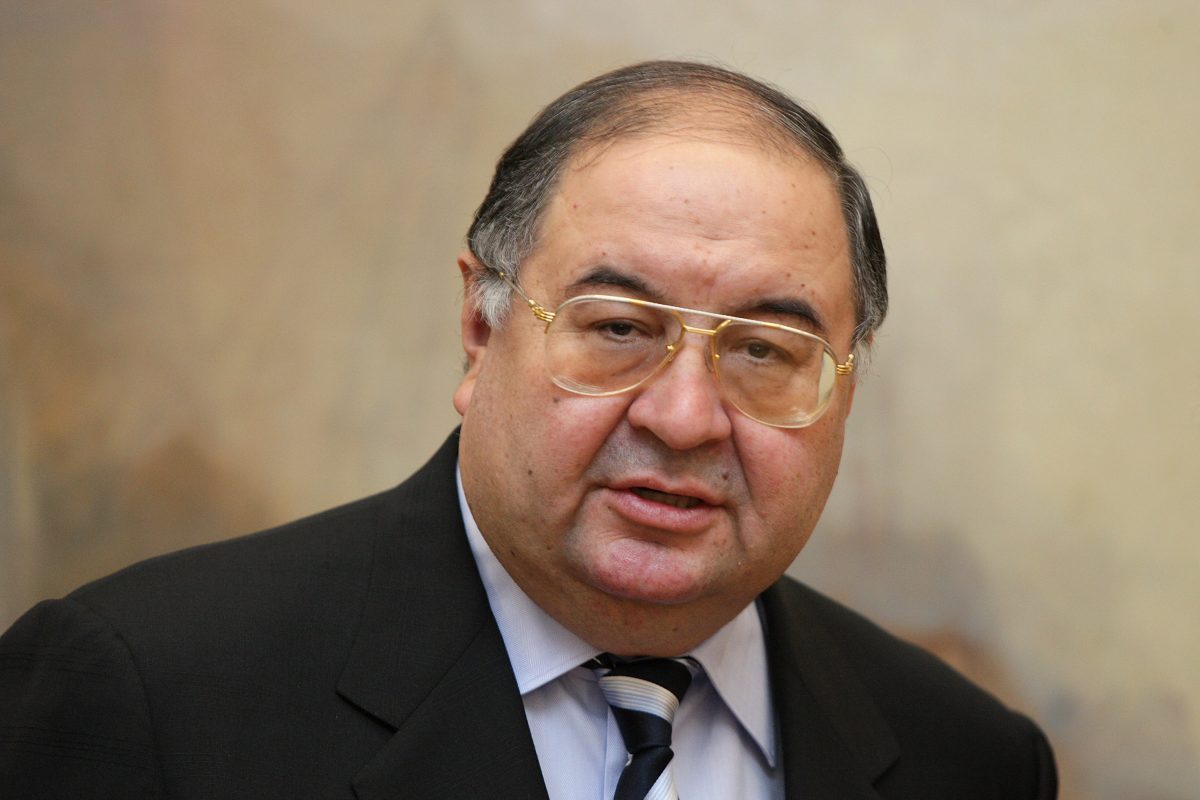
Ukrainian officials have hit out at a European Union decision to remove former Arsenal co-owner Alisher Usmanov from its sanctions list.
The Uzbek-born oligarch, who once owned around a third of the current Premier League champions, was stripped of his sanction status alongside Mikhail Fridman – a prominent Russian financier – after a successful lobbying effort from the French state.
He sold his stake in the London club in 2018 for around £550m but then forged strong commercial ties with Everton, where his former business partner Farhad Moshiri was owner.
Usmanov’s other interests in sport included becoming president of the International Fencing Federation, a role he vacated after being sanctioned following Russia’s invasion of Ukraine.
Ukraine’s foreign affairs minister Andrii Sybiha said: “The decision to delist Usmanov and Fridman is shameful and unjustifiable.
“Moscow is celebrating because it got what it wanted: a sense of impunity, the humiliation of the EU, and division among Europeans.
“But there is still a way to spoil the celebrations in Moscow. I urge all EU member states to announce now that they will impose their own national sanctions on these two individuals.”
Usmanov off the list
There are concerns that the move could lead to other sanctioned Russians being removed from the list through state-backed lobbying efforts.
It could pave a way for the likes of Roman Abramovich to have the financial restrictions imposed upon him eased by the European bloc.
The former Chelsea owner is also sanctioned in the UK and is embroiled in a legal battle with the government over the freezing of his funds.
There are around 3,000 people on the European Union sanctions list, including chess player and politician Sergey Karjakin and gymnasts Nikita Nagornyy and Alina Kabaeva.
Former Formula 1 driver Nikita Mazepin was also placed on the sanctions list following Russia’s invasion of Ukraine, but had his inclusion annulled in 2024 after the EU General Court ruled that family ties alone were not sufficient grounds for sanctioning.