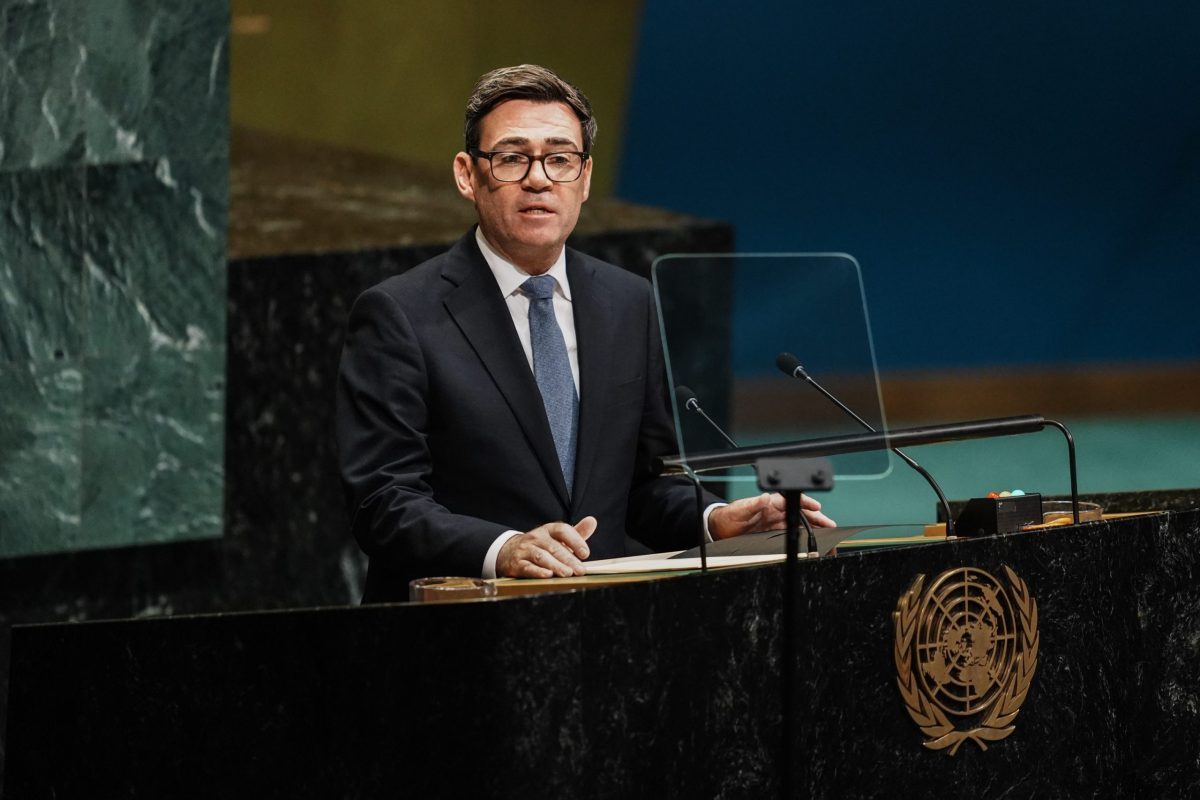
UK to champion global AI rulebook during G20 presidency
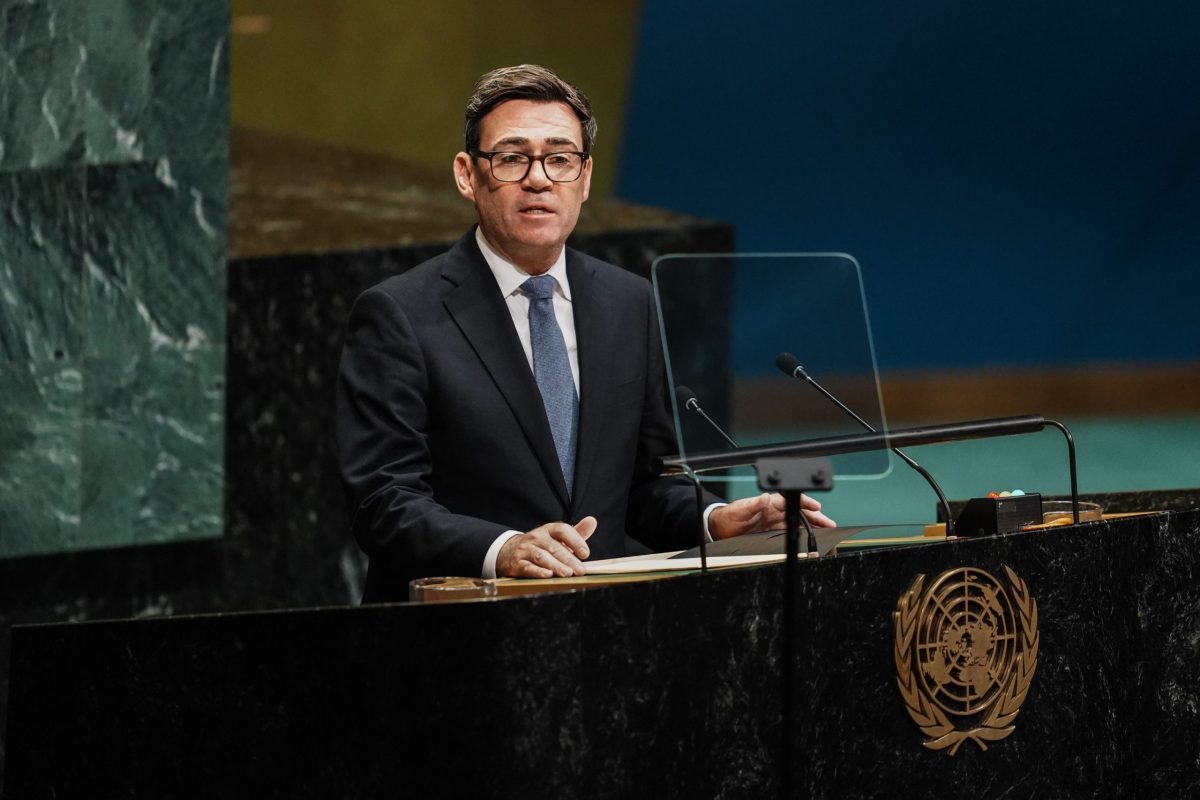
Andy Burnham has said governments, not tech companies, must make the biggest decisions about AI, as he pledged to put AI regulation at the heart of Britain’s G20 presidency.
The Prime Minister used his first address to the United Nations General Assembly to call for a single set of global standards governing frontier AI, including greater transparency and access to powerful models. “Fundamental decisions on this technology are too important to be left to chance”, he told world leaders in New York. “They must be taken by elected governments who serve working people”.
Burnham said Britain would use its G20 presidency next year to push countries towards “a single set of global principles and standards” covering transparency and safety. “I can announce today that I am going to put AI at the heart of the UK’s G20 Presidency next year”, he said.
He compared the challenge to the 2008 financial crisis, when governments coordinated through the G20 on common principles before implementing them domestically. “That is the kind of approach we need now”, he said.
It would mark a shift towards greater government oversight at a time when Britain’s AI Security Institute (AISI) still relies heavily on voluntary cooperation from the companies behind the world’s most powerful models.
Questions over that system intensified after Anthropic declined to give AISI pre-release access to its latest model.
MPs have since summoned Anthropic, OpenAI, Google DeepMind and Meta to an urgent hearing on 13 October, where they will be asked whether independent pre-release safety testing should become legally mandatory.
Burnham takes on Trump over AI rules
Burnham’s push also puts Britain at odds with Donald Trump over how far governments should intervene in frontier AI development.
Just hours earlier, the US President rejected what he called attempts to create a “globalist scheme” to control the technology and said America would “encourage it, not rein it in”.
The split is particularly striking given Burnham met Trump in New York on Tuesday and simultaneously unveiled a new UK-US partnership on AI and autonomous defence technology.
Burnham is instead pitching Britain as an “honest broker” capable of bridging increasingly divergent approaches to AI governance in Washington, Brussels, Beijing and elsewhere.
“We are America’s closest ally. We have deep ties with our friends in the EU and will deepen them further”, he said.
“We work with China and emerging powers like India and Brazil… In a divided world, we have the ability to bring people together – and we will”.
The government will use Britain’s 2027 G20 presidency, culminating in a leaders’ summit in Manchester, to try to secure agreement.
Burnham said AI could be “key to economic growth”, with applications spanning healthcare, education and defence, but acknowledged job disruption and mounting warnings about the capabilities of frontier systems. “We’ve all heard the warnings, which we must heed”, he said. “I know how worried people are. So we have to rise to this moment”.
Former Anthropic researcher Jacob Coxon quit this month warning that leading developers were “racing straight to self-improving superintelligence and gambling with our lives”, while senior figures at OpenAI, Anthropic and Google DeepMind have backed greater external scrutiny of powerful models.
OpenAI has separately called for stronger UK rules covering the small group of companies developing frontier systems.
Burnham’s government has so far stopped short of committing to new domestic AI legislation. AI minister Kanishka Narayan has said further regulation and new powers remain on the table as capabilities develop.