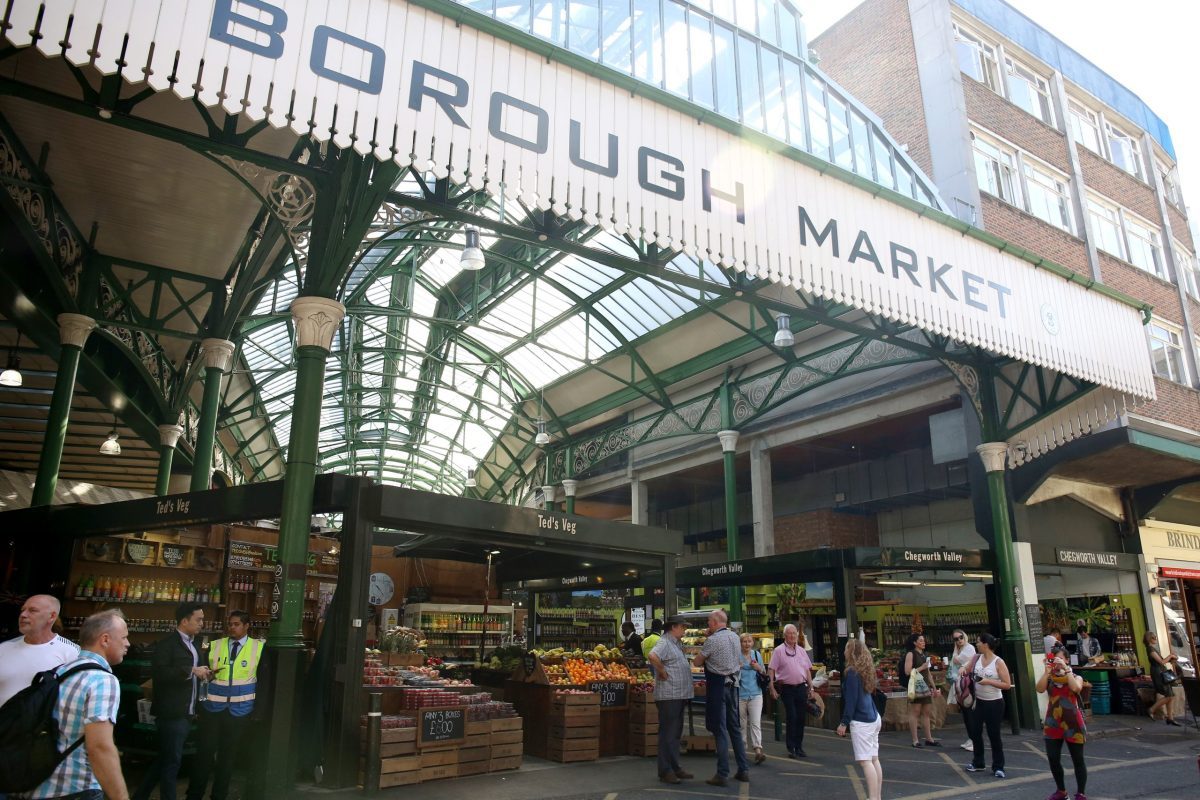
The Debate: Should Borough Market allow franchising?
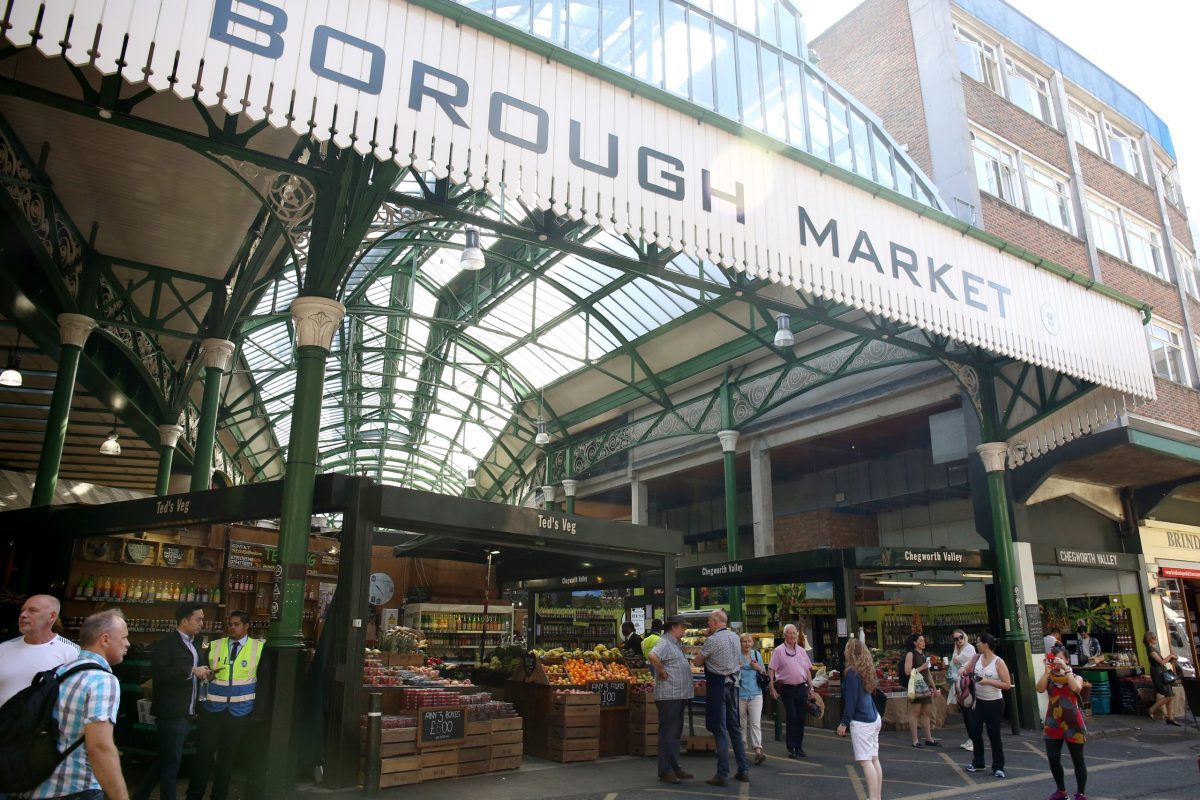
Viral bakery Bread Ahead claims it is being booted out of Borough Market for being “too successful”, with international franchising a possible point of contention. But should the market encourage expansion?
YES: We’re telling independent businesses their value only exists in the fact they are small
As a founder of a London-born business excited about the opportunity to grow via franchising, I feel Borough Market should strongly reconsider its franchising rules. While I completely understand why they were implemented in the first place, I also think they pose a danger. It’s like we’re telling independent businesses that their value only exists in the fact that they are small and local, rather than strong brands with a scalable concept.
Building a business is no easy feat. You take an original idea, pour your own money and pride into it and spend years figuring out what works through usually very costly trial-and-error exercises. If you eventually get to the point where people love your brand and there’s an opportunity to open a second location, surely that’s a thing to be celebrated and encouraged?
Franchising doesn’t automatically mean a business disregards its founding principles and the grit and soul that made it a success in the first place. It doesn’t mean it will destroy high streets with the almighty ‘chain’ concept everyone fears and hates. In reality, it can simply be a sensible way for founders to grow without taking on enormous costs themselves. Moreover, it creates jobs and allows for current employees to be rewarded with positions higher up the ladder as operations expand.
I’m not suggesting Borough Market should throw open the doors to every national chain and ruin the essence that made it a London institution. Its independence is a huge part of why people visit, and I agree, it absolutely needs protecting. However, what I’m calling for is a fair middle ground that incentivises small business owners to reach for the stars – not get stuck in their ways.
Yes, set tough standards, vet business owners, consider how involved the founder is, where the products actually come from and how many sites exist. But also consider the fact that a successful independent business is still a business somebody built. We shouldn’t ever reach a point where achieving large-scale success means you’re too big for a seat at the table.
Yulia Rorstrom is the founder of Duck and Dry
NO: Space is limited and the market needs to give the next Bread Ahead a go
Borough Market has good reason to be selective about who trades there. I wouldn’t want to see it filled with the same businesses you can find on any high street.
But I don’t think franchising, on its own, tells you whether a trader belongs.
At Swiss Butter, we’ve chosen to keep our restaurants company-owned. I want control over how they’re run, and for us that’s the right decision. I wouldn’t use it as a benchmark for how everyone else should grow. Owning all your sites doesn’t automatically make you a better operator.
With Bread Ahead, I’d want to understand what has changed at Borough Market itself. Has the product suffered? Has the business stopped contributing to the place? Those would be reasons to review its future there.
The fact that it has opened elsewhere seems a strange objection to a business that started in the market and spent more than a decade building its name there. Surely some of that success reflects well on Borough Market too.
I do think there’s a fair argument about making room for new traders. Space is limited, and being there for years shouldn’t put anyone beyond review. The market needs to give the next Bread Ahead a chance.
That means making some difficult decisions about existing traders. But those decisions should come with a clear explanation of what a business is no longer bringing to the market.
Eddy Massaad is the founder of Swiss Butter
THE VERDICT
A recent story over Bread Ahead, which claims it is being thrown out of Borough Market for being “too successful”, has been depicted as the latest example of the UK’s tall poppy syndrome. We cannot yet be sure of all of the details (Borough Market states the details of the arrangement remain private) but founder Matthew Jones thinks the brand’s international franchising has counted against it. Naturally, there has been uproar, largely in the bakery’s favour. The idea that someone could be too successful to keep operating just feels wrong, it is true. But it should also be pointed out that Borough Market has strict criteria when it comes to vendors in order to protect the character of the market, one of which is the prohibition for entering franchises. Putting this exact case aside, it does seem fair that the market should be allowed to enforce its own rules. Bread Ahead, a homegrown market story, may well be the exception, but where the overall rules are concerned, the market is right to maintain its emphasis on independence.