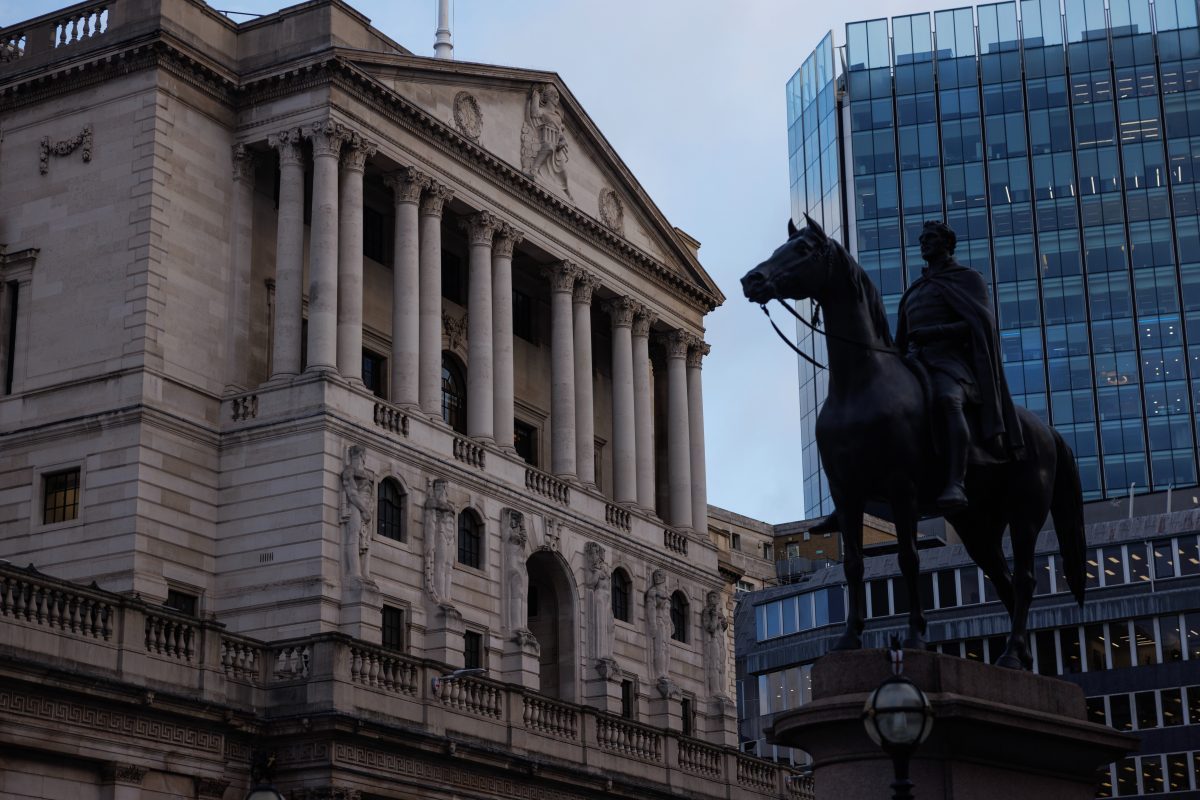
Bank of England holds interest rates and overhauls bond sale programme
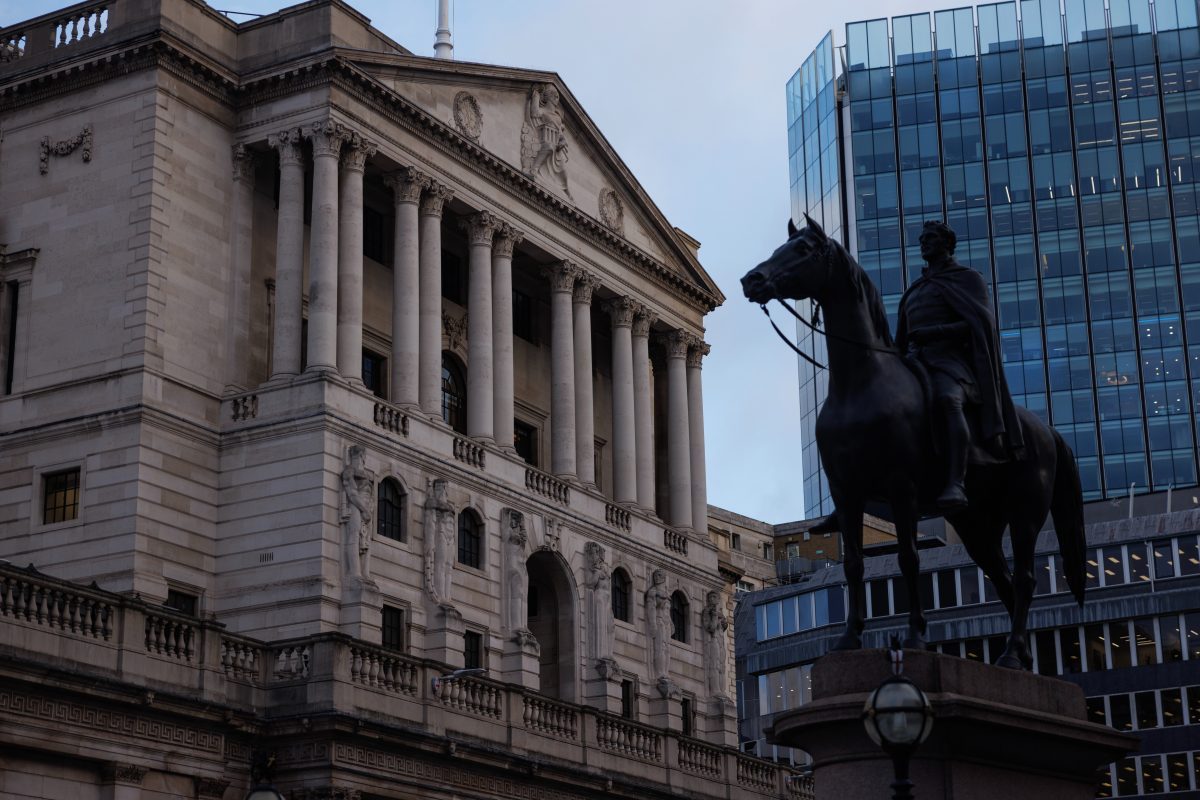
The Bank of England has kept interest rates on hold at a sixth consecutive meeting, but warned that they were likely to rise at future meetings unless the threat to energy markets posed by the Iran war begins to ease.
The central bank’s Monetary Policy Committee voted six to three to leave rates unchanged, in a decision that revealed widening divides over how best to tackle the round of price rises set to hit the UK from the widening conflict in the Middle East.
Separately, officials also announced a major shake-up to the Bank’s bond disposal programme – known as quantitative tightening – pausing all sales of longer-dated debt and overhauling the means by which it offloads its stockpile of gilts. Under plans proposed to the Chancellor, the Bank will now offload £20bn of shorter-term debt a year, and keep hold of all its longest-dated debt until it matures.
The majority of rate-setters agreed so-called second-round effects, whereby the supply shock of higher energy prices appears to become embedded in an economy, were yet to emerge in the UK. But they added that risks to inflation were “tilted to the upside” and greater than when the group of officials last met this summer.
“There has been a material increase in energy prices since July, with a consequent effect on the near-term inflation outlook,” governor Andrew Bailey said.
“If the conflict in the Middle East persists for an extended period, as appears to be the case, and the risk of second-round effects emerging increases, it is likely that policy may have to tighten,” he added.
Susannah Streeter, chief investment strategist at Wealth Club said a rate hike in November is now “a distinct possibility.”
“Inflation is the fever central bankers want to bring down, but the Bank of England is holding off administering the bitter medicine of an interest rate hike. The UK economy is fragile, and already feeling the chill of sluggish growth and a cooling jobs market, and for now this should offset the risks of steamy energy costs being passed easily through to hotter consumer prices. With shoppers worried about rising borrowing costs and bracing for higher bills to land, they may be less likely to spend if price tags become more expensive.”
Nigel Green, chief executive of Devere, said: “Every major central bank at the table is acting except one: the feet-dragging Bank of England.
“The Fed has moved. The ECB has moved. The Bank of Japan looks ready to move. The Bank of England is choosing stillness while inflation runs hot, and stillness has a cost.”
Bank of England monitors inflation expectations
The MPC had been widely expected by analysts to keep policy unchanged, despite August inflation hitting 3.1 per cent – considerably higher than the Bank’s target. Growth has outstripped forecasts for much of the year, heating up the economy more than expected.
But Threadneedle Street said the persistently soft labour market conditions, along with the higher borrowing costs already faced by households and businesses since the onset of the conflict, were both helping anchor inflation, allowing it to hold rates.
Unlike the aftermath of Russia’s full-scale invasion of Ukraine in 2022, languid private sector wages and low vacancies both point to the chances of a so-called wage-price spiral being lower than was the case four years ago. The scenario – whereby higher prices at the till trigger workers to demand higher pay packets – is a notably low.
The three MPC members who voted to raise interest rates – the same three officials as voted for a hike in July – warned that inflation expectations were higher than at the last vote. The key metric for economists and rate-setters, which measures the rate at which businesses and households expect prices to rise over the next year, raises the likelihood that bosses will push on higher prices and households will bargain for higher wages.
“Since my vote to increase Bank Rate in July, upside risks to inflation have increased as the ‘sporadic continuance’ of conflict has ratcheted up energy prices will above the baseline from the July Report,” external MPC member Catherine Mann said, adding: “Raising Bank Rate is a better risk-management strategy when faced with the uncertainty about inflation dynamics and second-round effects.”
Alongside the rate decision, MPC members voted unanimously to overhaul its quantitative tightening programme. In a proposal agreed to by the Treasury, the Bank will no longer offload its stockpile of government bonds onto the secondary market, and instead sell a portion of its portfolio directly to the Treasury. It will also keep all its longest-dated gilts until they mature, in what represents a major strategic shift from the monetary authority.
In a letter to the Chancellor, Andrew Bailey said the move “provided clarity over the future” of its quantitative tightening programme by setting the course of its unwinding up until 2035.