London software stocks enjoy ‘boon’ after calls for AI slowdown
London-listed software stocks jumped on Monday as calls from the world’s biggest AI companies to slow development offered some relief to businesses previously seen as vulnerable to the technology.
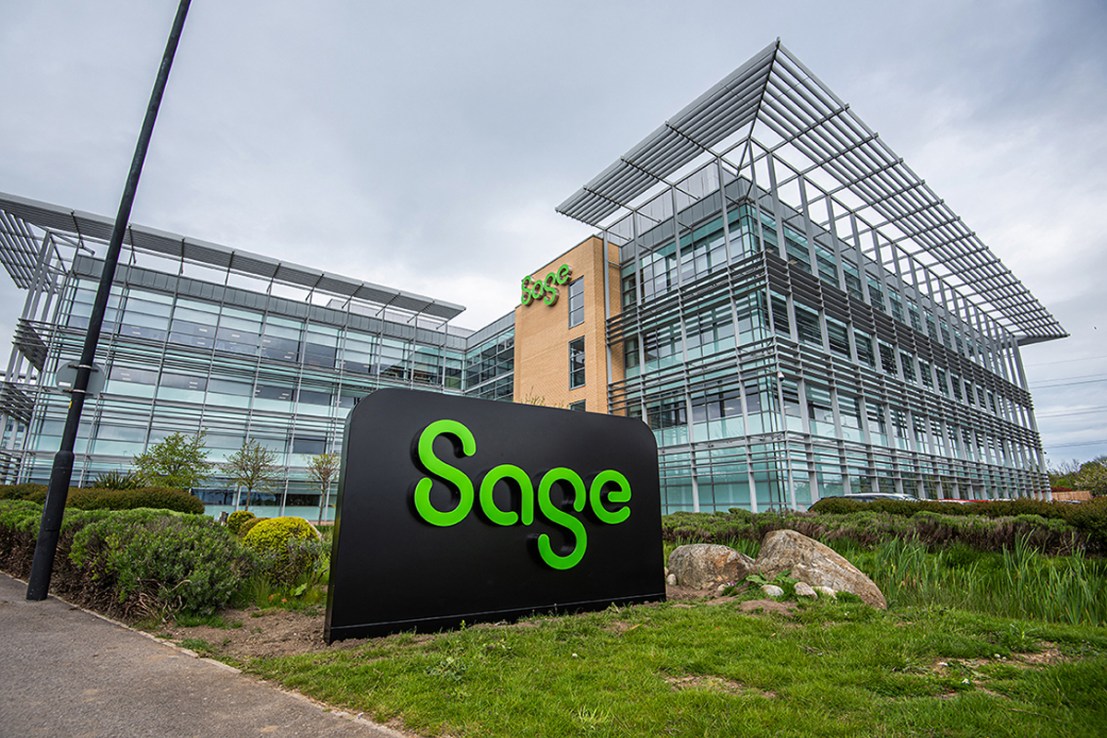
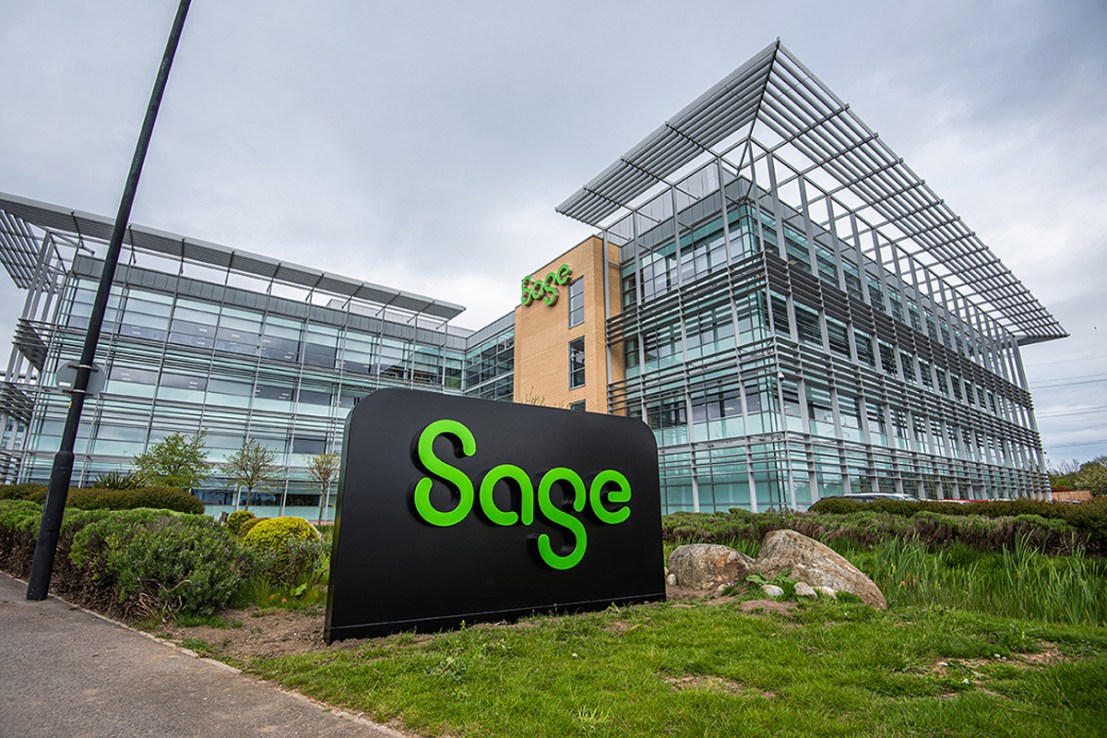
Sage climbed more than five per cent to rise the fastest among FTSE 100 firms, while RELX also rose after Anthropic, OpenAI and Elon Musk backed slowing the development of the most advanced AI models.
The gains helped London buck a wider technology sell-off. The FTSE 100 was around 0.6 per cent higher at 10,717 in early afternoon trading, despite sharp falls for AI-linked stocks in Asia and US tech futures.
“The contrast could not be more stark,” Russ Mould, investment director at AJ Bell, told City AM, pointing to Sage’s surge to the top of the blue-chip index while Polar Capital Technology Trust, a major backer of AI stocks, sank towards the bottom.
Software and IT services stocks have been under pressure since the AI spending boom accelerated last year, as investors questioned whether fast-developing models could eat into their businesses.
“Any indication that AI may not deliver what many believe it can, either on time or at all, or that regulators may act to manage its scope, could bring some solace to downtrodden share prices,” Mould said.
Chris Beauchamp, chief market analyst at IG, similarly described the prospect of an AI slowdown as a “boon” for the FTSE’s software stocks.
Sage and RELX had been “victims of the ‘SaaSpocalypse’, on fears AI would wipe out their businesses”, he told City AM.
“If the AI giants do put their foot on the brake then the outlook for revenues for Sage, RELX and their SaaS brethren globally becomes much brighter.”
London dodges sell-off
The moves stood in stark contrast to Asia, where OpenAI investor SoftBank plunged as much as 13 per cent, while chipmakers SK Hynix, Samsung Electronics and Kioxia also fell.
Nasdaq 100 futures were around 1.3 per cent lower ahead of the US open.
Matt Britzman, senior equity analyst at Hargreaves Lansdown, told City AM the UK had been “relatively sheltered” because it has little direct exposure to the chips and data centre infrastructure behind the AI spending boom.
But he cautioned against assuming calls for safer AI would translate into a sharp drop in investment.
“Slowing a model release for additional testing is very different from slowing the investment needed to build and run AI systems,” Britzman told City AM.
Mandeep Singh, senior technology analyst at Bloomberg Intelligence, estimated the huge initial training runs which AI developers could decelerate account for only around 10 to 15 per cent of overall training spending.
More money could instead move towards improving existing models, including safety testing and the computing power required when they answer complex questions.
Still, Mould said any eventual pullback in spending by US tech giants could work in London’s favour.
The so-called Magnificent Seven still account for more than a third of US stock market value and around a fifth of global market capitalisation, while Britain’s relatively small technology sector has left it largely outside the AI investment boom.
“If there is a slowdown in the AI race,” Mould said, the UK market could benefit “at least on a relative basis” as investors reassess the earnings growth and valuations attached to US technology giants. For now, however, analysts stressed that remains a big “if”.