Options Xchange Group Targets Member Experience in Crowded U.S. Options Market

Options Xchange Group recently announced plans to launch a new U.S. listed options exchange, powered by a technology platform built from the ground up for modern options trading. Peter Maragos, Founder and CEO, spoke with Traders Magazine about the opportunity for a new exchange, how the firm plans to compete for order flow, and why technology, member service and transparency will be central to its strategy.
What trends in the market convinced you that now is the right time to launch a new exchange?
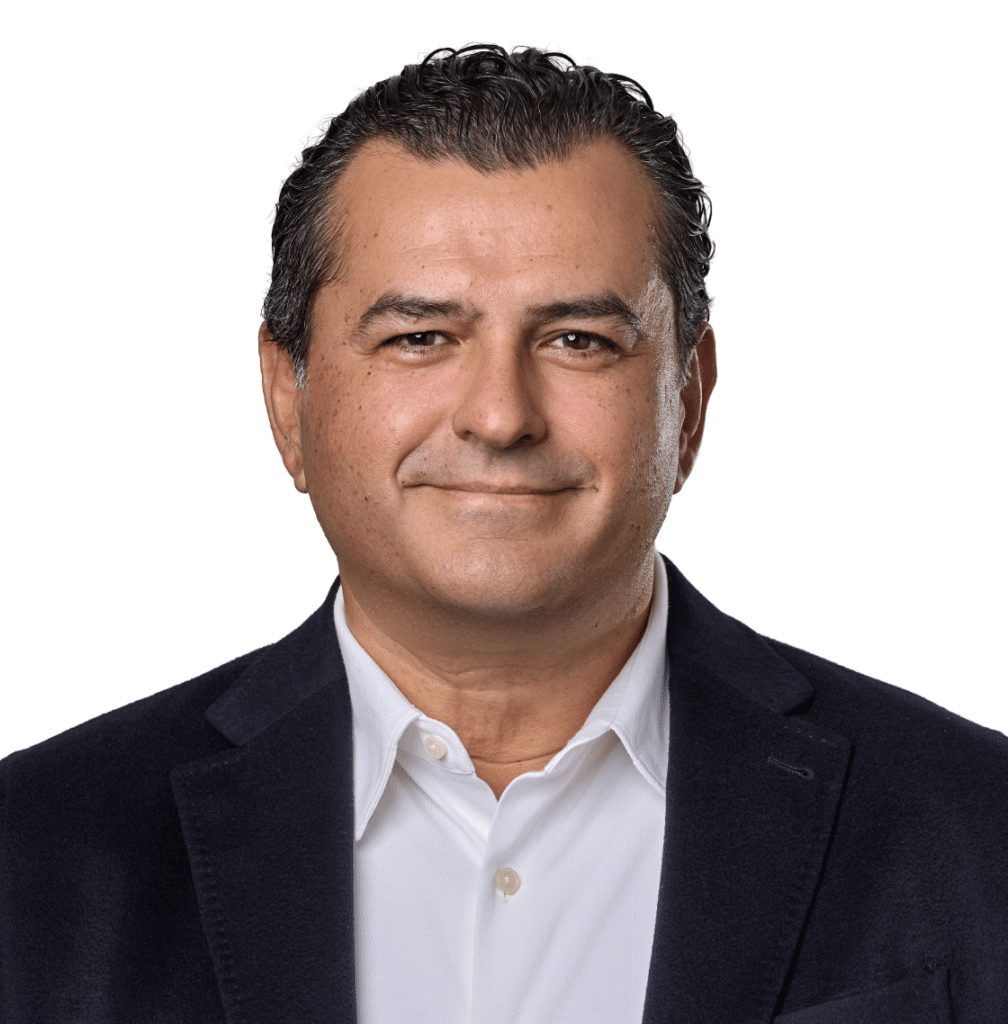
The numbers tell part of the story: record volumes six years running, participation broadening across retail and institutional investors, and more than 90% of volume still concentrated among four exchange groups, with recent consolidation pointing to another period of change. But what convinced us wasn’t a chart. As the co-founder and former CEO of DASH, I have been a member of every U.S. options exchange for over 15 years. During that time, I’ve watched the member relationship at most incumbents become increasingly transactional. Amid this large and growing market with concentrated ownership, we have a service model that hasn’t kept pace. That isn’t a gap we talked ourselves into. We have lived it. Now, we’re building the exchange I always wanted as a member.
With several established options exchanges already operating in the U.S., what market opportunity does Options Xchange Group believe remains underserved?
The member is underserved. This isn’t an observation from a distance. It comes from the seat I have sat in since 2009 when we founded DASH, an agency broker that captured more than 25% of U.S. options volume. We know each platform’s nuances, its strengths, its compromises and what it feels like to depend on them every day. To our knowledge, no one running a U.S. options exchange today has spent as long on the buying side of the relationship. I see the market opportunity for us through three lenses: expertise, performance and partnership. Expertise is our bench. Our operators have decades in this industry across broker-dealers, exchanges, technology firms and clearing. Now, we are all looking at the market from the member’s side of the table. Performance is our ability to deliver high-performance technology engineered for consistency and reliability. Importantly, this includes a premium member support solution we intend to make the standard this industry is measured against. And partnership means aligning economics and long-term interests with the members who create the market.
You describe the platform as being built “from the ground up” for modern options trading. What specific technology challenges or limitations in today’s exchange infrastructure are you looking to address?
Every platform is a snapshot of the year it was architected, and most exchange infrastructure running today locks in decisions made a decade or more ago. Starting clean means we get to choose again with today’s tools. White Rabbit is a good example. It offers sub-nanosecond time stamping that simply wasn’t on the menu when the incumbent stacks were designed. We’re engineering for deterministic performance, resiliency and transparency from the outset, on a platform built to be operated, supported and evolved, not merely maintained. Further, we are broadening the definition of technology to include the whole member experience, with an emphasis on the work that never ends. Connectivity and testing happen once, but production trading and support happen every day for the life of the membership. That daily experience is what we’re building for.
How do you plan to compete for market makers, brokers and other exchange participants?
Order flow is earned. We say that with conviction. At DASH, nobody owed us a single contract. We competed for flow every day. Becoming an exchange doesn’t change the rule. It raises the bar. We’ll compete on what participants actually want. In terms of economics, that means competitive pricing and a commercial model that ties our success to the members who grow our markets. With technology, they are looking for a platform engineered for consistency and reliability, not just headline speed. Members want interfaces instead of portals, so they can serve themselves whenever possible. In terms of their relationship with the exchange, members want clear rules, consistent answers and a counterparty that is willing to give clear feedback. We ran a member firm, and we wanted exactly the same things.
How do you expect the balance between retail and institutional activity to evolve, and what does that mean for exchange operators?
Retail changed this market permanently. The technology, education and access that brought individual investors in aren’t going to reverse course, and institutional adoption keeps compounding alongside them. I’d resist the word balance, though, because it implies a trade-off. At DASH, we spent years routing institutional orders into markets energized by retail flow, and we saw daily how much each side depends on the other’s liquidity. The exchange operator’s job isn’t choosing a constituency. It’s running markets that serve an increasingly diverse participant base efficiently and fairly. It’s the performance one segment demands, the structure and depth the other requires, and transparency for both.
Given your team’s experiences across Nasdaq, NYSE, IEX and other market infrastructure firms, what lessons from existing exchanges are shaping the design and strategy of Options Xchange Group?
The exchange pedigree on this team is real, with people who built and operated technology at the highest level. The lessons that truly shape our company, however, come from the years we spent as a member. You learn different things as the customer. The biggest one: An exchange’s rulebook is part of its product, inseparable from its technology, economics and support. If rules are ambiguous or interpretations shift without notice, members pay for that in compliance cost and in eroded trust. Our standard is the member’s standard, because it was ours. It includes rules written to be understood, guidance made available before the trade, and a feedback loop that treats members as the professionals they are. We take our self-regulatory responsibility as seriously as anything
The image for this article was generated using AI.