Suze Orman says one mistake crushed SpaceX IPO returns
SpaceX gave its retail investors a painful and public lesson in how quickly momentum-fueled excitement can drain a brokerage account.
The company priced its initial public offering at $135 on June 11, opened at $150 the next morning, and reached an intraday high of $176.52 later that session, CNBC reported.
Within seven weeks, shares had cratered to about $108, erasing 39% of the peak-day value and stranding first-day buyers deep underwater, CNN confirmed.
A buyer who entered at the $176.52 Day-1 high would need a 63% gain from the low near $108 just to break even.
By July 17, 2026, SpaceX shares had dropped below their $135 offering price, with the stock closing at $123.99 and roughly $1 trillion in market value erased from the company’s June 16 peak, Bloomberg reported.
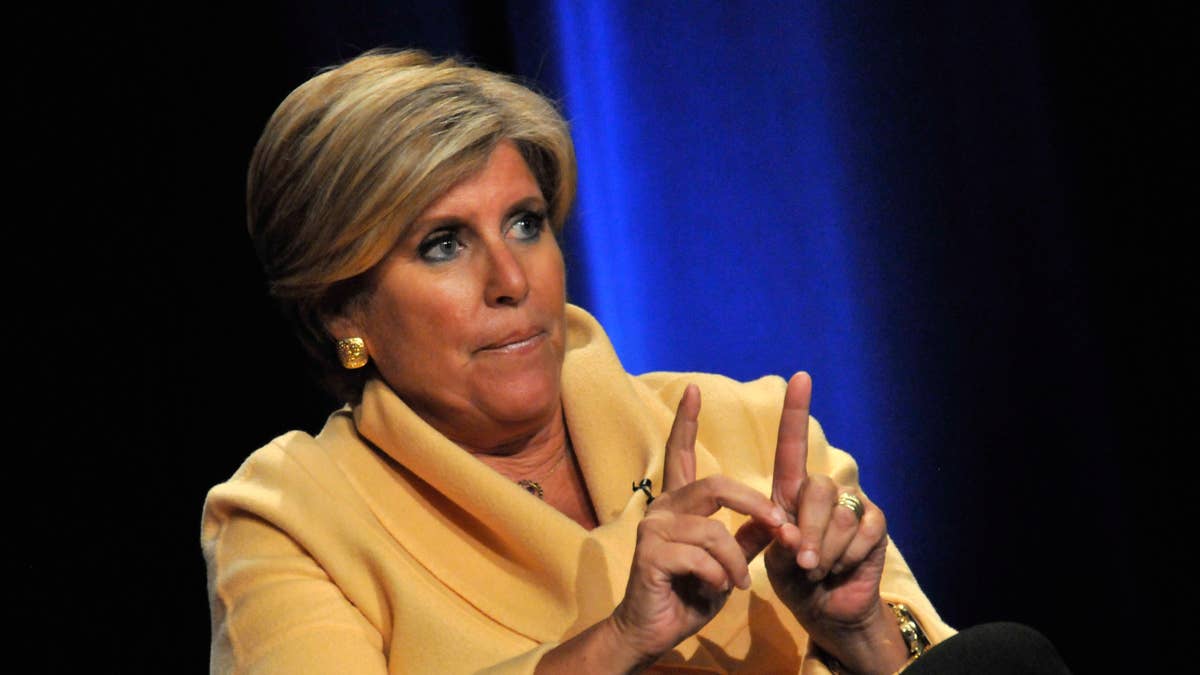
Suze Orman, host of the “Women & Money” podcast, walked through those numbers on the Aug. 2, 2026, episode to make a pointed case.
Her conclusion had nothing to do with rockets, Elon Musk, or artificial intelligence spending. The entire lesson, she told her audience, centered on a single overlooked variable: the price you pay when you click buy.
How Suze Orman pinpointed the factor that sank SpaceX buyers
Orman’s argument is built on arithmetic, and the math she laid out on her podcast leaves little room for debate. A $10,000 investment at the $176.52 Day-1 peak shrank to roughly $6,100 within weeks, even though the underlying business never missed a beat.
SpaceX reported Q2 revenue of $7.8 billion, beating analyst estimates of $6.93 billion by a wide margin, Yahoo Finance reported.
The rockets kept launching, Starlink kept adding millions of subscribers, and none of that prevented early buyers from losing nearly half their capital.
History shows large debut stocks punish early buyers repeatedly
SpaceX was not an anomaly, and decades of data suggest the stock may face additional pressure in the months ahead.
The 10 largest U.S. initial public offerings since 2006 tell a consistent story of early losses, dropping an average of 34% within their first year of trading, according to The Motley Fool‘s review of the largest offerings ever.
More SpaceX:
- Morgan Stanley says SpaceX investors miss the bigger story
- Peter Schiff says SpaceX is a warning for hyped stocks
- SpaceX stock defies latest Wall Street forecasts
Jay Ritter, director of the IPO Initiative at the University of Florida and a leading authority on new listings, puts the average first-day gain at 19% since 1980.
SpaceX matched that historical pattern with eerie precision, closing at $161 on June 12, 2026, for a 19% first-day gain from the $135 offer, CNN reported.
The problem is that many retail investors paid well above $161 during the intraday spike, absorbing months of optimism in a single session.
SpaceX’s cash burn adds a layer of risk that buyers overlooked
Overpaying for a cash-generating company leaves room for the price to grow. SpaceX burned through $25 billion in negative free cash flow during the first half of 2026, according to data from The Motley Fool.
At that rate, the roughly $100 billion in cash on its balance sheet could be exhausted within two years, before factoring in rising capital expenditures.
Nicolas Owens, Equity analyst for Morningstar, wrote in a research note that SpaceX was overpriced and pegged the company’s fair value at $780 billion.
<strong>We think the company has been significantly overvalued and investors will have opportunities to buy the stock at more attractive levels after the IPO</strong>.
Keith Snyder, a Senior Equity Analyst at CFRA Research, assigned SpaceX a sell rating and a $115 price target on debut day, telling CNBC’s “Closing Bell” that reaching SpaceX’s valuation would require AI-segment growth that was “borderline comical.”
Orman’s two-earnings-cycle rule pays off when Treasuries yield 5.25%
Orman’s warning carries extra weight in the current rate environment, where safe alternatives offer income that was unavailable for most of the past decade.
The 30-year Treasury yield hovered near 5.25% as of early September 2026, according to Federal Reserve and Treasury Department data. The cost of sitting out a newly public stock for six months works out to roughly 2.6% in forgone yield.
Orman’s specific recommendation on the podcast is to wait at least two full earnings cycles before committing capital to any newly public company.
Two quarters of reported results give investors a revenue trajectory, a management track record, and visibility into insider selling patterns.
SpaceX lockup expirations show how supply can flood a thin market
The staggered lockup schedule built into SpaceX’s offering became a headwind faster than most new shareholders expected, and is not yet finished.
On Aug. 6, 2026, roughly 911.5 million shares held by insiders became eligible for public trading under the staggered release schedule, CNN noted.
The total float is set to grow from 1.8 billion shares to 5.2 billion by early December 2026, as additional tranches unlock on a rolling basis, The Motley Fool noted.
With another 3.4 billion shares scheduled to hit the float by December 2026, the two-earnings-cycle wait Orman describes would also let the incoming supply work through the market before new capital gets committed.
What Orman’s SpaceX lesson means before the next blockbuster listing
Orman’s analysis is not a verdict on SpaceX as a long-term investment. The median 12-month price target among analysts stands at $217, implying meaningful upside from recent trading levels near $148, The Motley Fool noted.
For newly public stocks like SpaceX, the entry price has determined whether early buyers shared in the upside or spent years underwater, based on the historical pattern Orman highlighted.
With 30-year Treasuries offering a guaranteed 5.25%, waiting two quarters carries a measurable opportunity cost and a much smaller one than SpaceX’s Day-1 buyers absorbed.
The same math will apply to the next blockbuster debut. What buyers pay on Day 1 is what determines the years that follow.
Related: SpaceX is now in your 401(k), and Musk is the risk