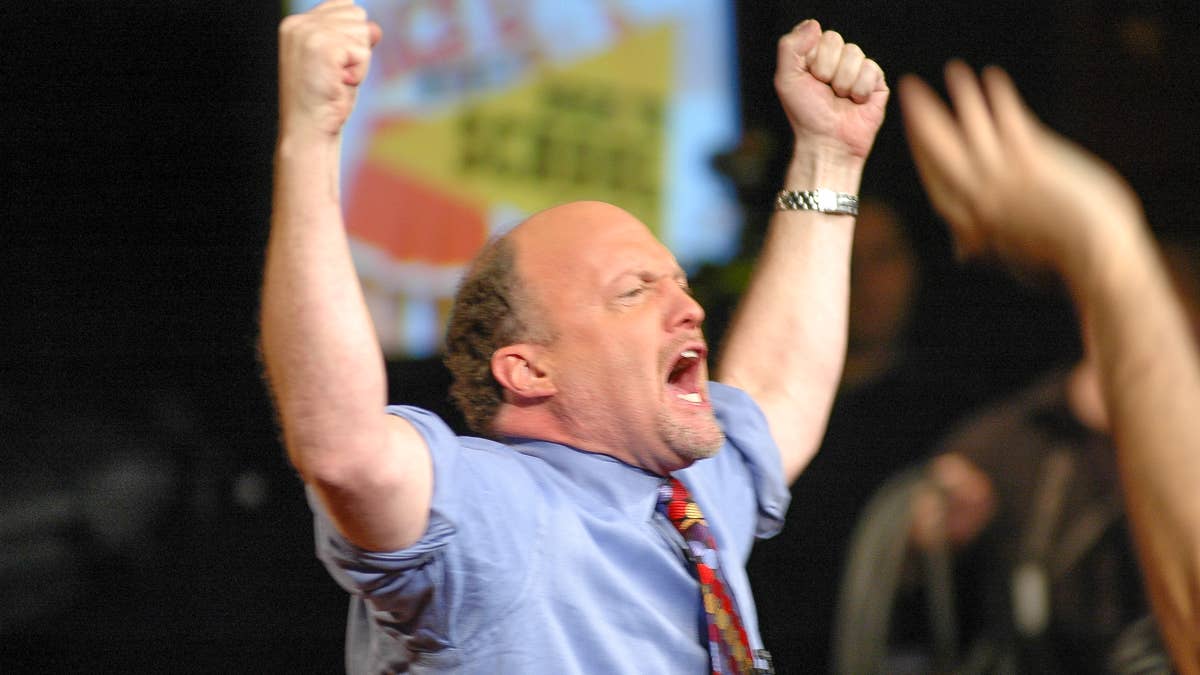
Jim Cramer has terrifying one-word message for tech stock investors
Last week, Jim Cramer told tech investors something most of them did not want to hear.
If they were still holding a portfolio stuffed with AI and chip stocks, he said, they were about to get hurt, and hurt badly.
His exact word was “slaughtered.”
That kind of language grabs attention, but the reasoning behind it deserves a closer look, because it points to a shift that could touch almost anyone who owns an index fund.
What Jim Cramer actually told tech investors to do
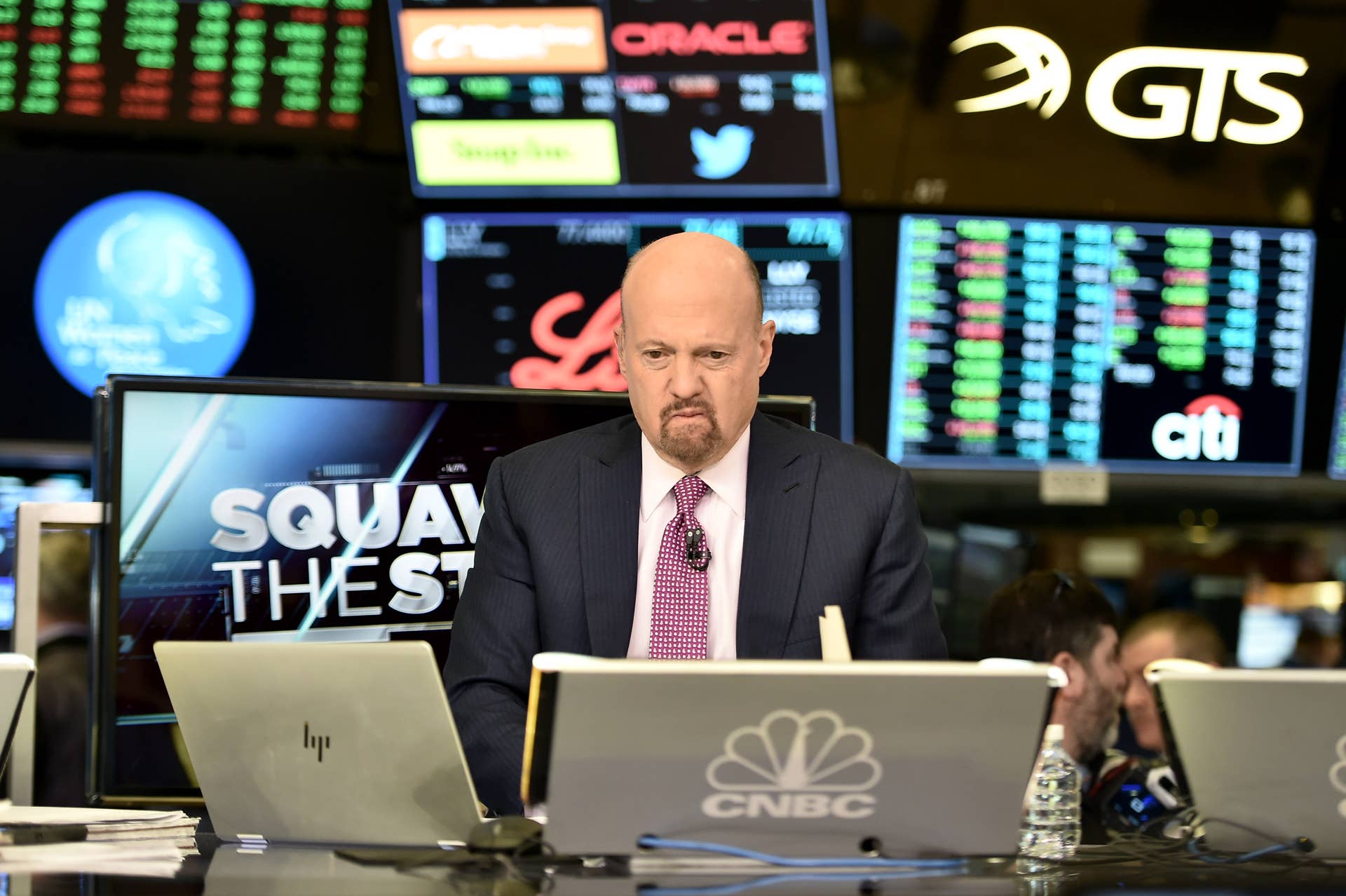
Cramer delivered the warning on his July 21 appearance on CNBC’s “Squawk on the Street.”
He said that holding too much tech during sharp market swings could lead to large losses before investors realize what happened.
His phrasing left little room for doubt: “If you own too much tech, you’re going to be slaughtered, and you won’t even know what hit you,” BigGo Finance reported.
The message was not a call to short the sector or predict a crash. It was about position sizing.
Cramer wants investors who rode the AI trade to fresh highs, and never sold a share, to take some profits off the table, Yahoo Finance noted.
The fix he suggested is simple: move some of that money into sectors that haven’t risen as much.
Why Cramer thinks the AI trade has become dangerous
The core of Cramer’s argument is volatility.
According to 24/7 Wall St, he said chip volatility had reached a 30-year high relative to the broader market, a claim that frames how violently these stocks now swing day to day.
The fear gauge backs up the level of restlessness. The VIX had jumped 25% in a week, sitting near 18.77.
For readers who have not tracked it, the VIX measures how much price movement traders expect in the S&P 500. A sharp rise means the market is bracing for bigger swings.
Cramer’s second concern is that heavy AI spending has stopped guaranteeing gains.
His example was Microsoft (MSFT). The stock fell 20% over the past year even while running a $37 billion AI revenue stream, according to 24/7 Wall St.
That’s a sign that pouring money into AI no longer lifts a share price on its own.
The hidden tech exposure sitting in your index fund
Here is the part that reaches ordinary investors who never bought a single chip stock on purpose.
Standard index funds are now heavily weighted toward a handful of tech giants.
If you own an S&P 500 fund, a large slice of your money sits in the same names Cramer is warning about, whether you chose them or not.
Related: Jim Cramer says it’s time to buy another aerospace stock before it takes off
That concentration works two ways. It boosted returns over the past two years. It also means a bigger drop if the leaders stumble together.
The timing increased the worry. Cramer’s warning landed just as Intel (INTC), Tesla (TSLA), and Alphabet (GOOG) prepared to report earnings, with Intel due after the close on July 23, Benzinga reported.
One weak report from a giant can drag the whole index down with it.
The ‘boring’ sectors Cramer wants you to buy instead
Cramer’s alternative is not exciting, and that is the point.
He pointed to financials and healthcare, where valuations look cleaner and earnings are already showing up in bank results, Yahoo Finance reported.
He put real names behind the idea. Cramer recommended looking at Goldman Sachs (GS), Wells Fargo (WFC), FedEx (FDX), Honeywell (HON), and Boeing (BA), and noted his own club portfolio owns all five.
More AI and Tech Stocks:
- Nvidia CEO doubles down on AI and stock market verdict
- Intel and AMD just got leverage they haven’t had in years
- OpenAI just disclosed something genuinely alarming
The bank numbers gave him cover. JPMorgan posted second-quarter earnings of $7.70 per share against $5.80 expected, with equity markets revenue up 86% compared to last year, 24/7 Wall St reported.
Trucking made his list too. J.B. Hunt (JBHT) is up 97% over the past year and beat estimates again, reinforcing the case for steadier cash-flow businesses.
What has to happen for Cramer’s call to look right
Cramer has been early and wrong before, and he admits his own track record is mixed.
His warning even revived the “Inverse Cramer” joke, where retail traders bet against his public calls.
Last week gave his thesis a partial test, and the result was split.
Alphabet fell about 7% after it raised its 2026 capital spending forecast, and Tesla dropped sharply on a second-quarter miss.
Both outcomes align with his fear of crowded tech names. Intel cut the other way, rallying 9% on its strongest revenue growth in nearly 15 years.
The bigger test arrives this week.
Microsoft and Meta report after the close on Wednesday, July 29, followed by Apple and Amazon on Thursday, July 30, according to TipRanks. The Federal Reserve also announces its rate decision on Wednesday.
A few things would confirm Cramer’s thesis:
- Microsoft or Meta disappoint on AI spending or cloud growth, and their shares drag the index lower.
- Banks and industrials keep posting the kind of beats JPMorgan just delivered.
- Volatility stays elevated, punishing investors who never trimmed.
The reverse is just as possible. If this week’s mega-cap reports come in strong, Cramer’s move out of the sector could look premature.
What investors can take from this
You do not need to dump your tech holdings to act on the idea behind the warning.
The practical step is to check how concentrated you already are, and this week is a useful time to look.
Four of the largest companies in the market report within 48 hours, and Microsoft alone entered the week down roughly 18% for the year, according to AskTraders.
A weak print from any one of them can move an index fund that most people treat as diversified.
If most of your gains this year came from a few AI names or from a fund that leans heavily on them, you are carrying more risk than your statement suggests.
Trimming a portion and spreading it across steadier sectors is the kind of profit-taking Cramer is describing, not an all-or-nothing bet.
Whether banks and industrials outrun chipmakers from here is unknown.
What is clear is that the AI leaders now move sharply enough that owning too many of them, without a plan to rebalance, leaves an investor exposed to a drop they may not see coming.
Related: Jim Cramer sends strong signal to Nvidia stock investors amid rumors