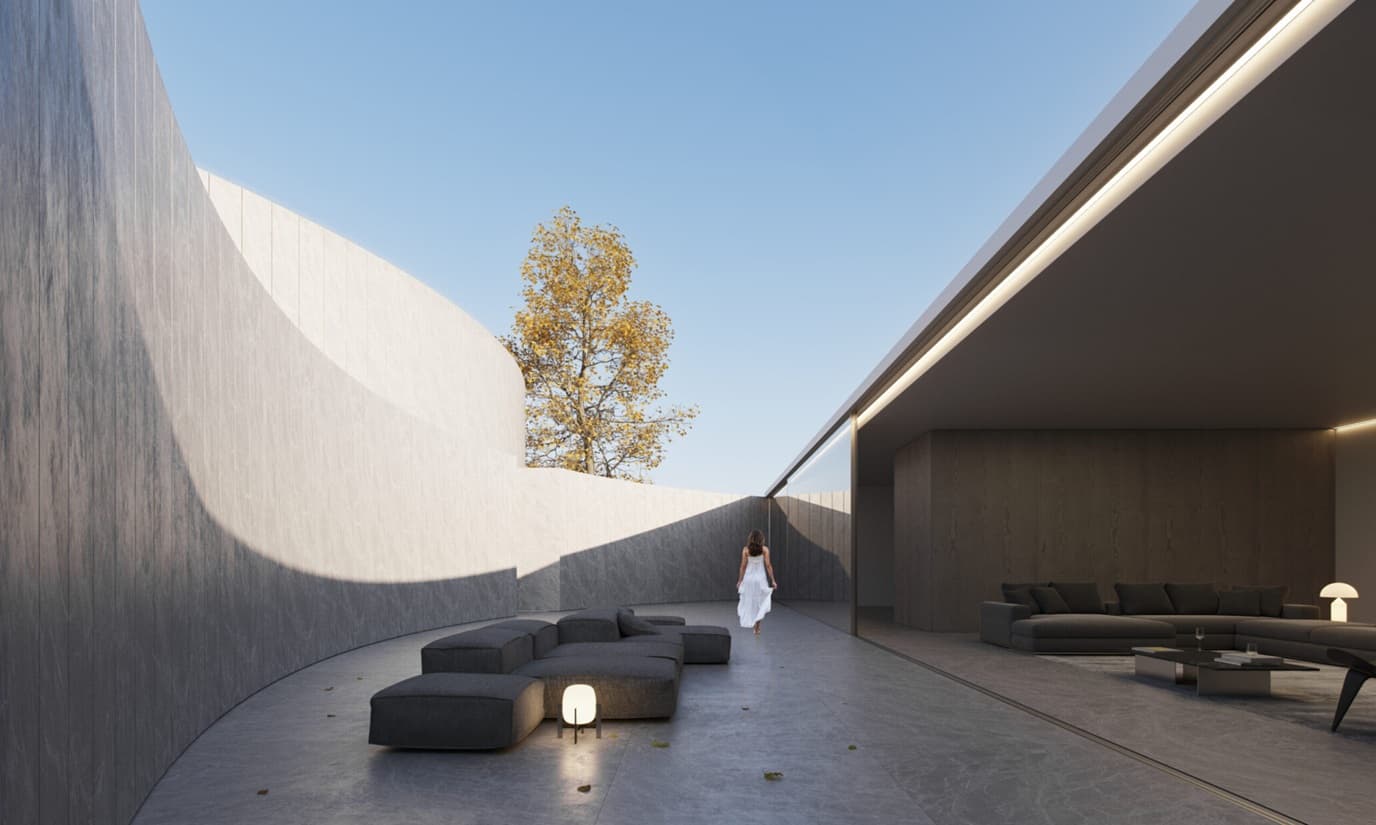
How Smart Summer Homes Are Informed By The Sun
As summer temperatures intensify, luxury homes are embracing sunlight in new ways. Terraces, gardens and outdoor spaces remain central to seasonal living, but advances in solar technology, battery storage and smart home systems are giving sunshine a new purpose. Once valued primarily for the views and atmosphere it creates, natural light is now becoming a key consideration in residential design, shaping how homes generate, store and use energy. LUXUO examines how the season’s most abundant natural resource is quietly reshaping luxury living.

Beyond illuminating architecture and framing spectacular views, the sun is increasingly becoming part of the home’s infrastructure. Rooftops quietly generate electricity. Pergolas provide shade while producing power. Batteries store excess energy for the evening, while electric vehicles recharge in garages fuelled by daylight. The shift reflects a broader evolution in luxury real estate. Environmental performance, once considered a desirable add-on, is becoming integral to the architecture itself. Across the Mediterranean, California and tropical destinations, designers are weaving renewable technologies into homes without compromising aesthetics. Rather than concealing sustainability behind plant rooms and service spaces, many of today’s most desirable residences are designed from the outset to harness the landscape, climate and abundant sunshine that first made those locations so coveted.
Luxury homes were once designed to take full advantage of the sun. Increasingly, they are designed to harvest it. As prominent architect Norman Foster once observed, “The most sustainable energy is the energy you don’t use.” Today’s luxury homes are extending that philosophy by producing much of the energy they do require, transforming sunshine from an environmental consideration into an everyday amenity.
When the Roof Became a Power Plant

Not long ago, a statement roof meant handcrafted clay tiles, natural slate or intricate timber detailing. Today, another design consideration has entered the conversation: how much energy the roof can quietly produce. Advances in building-integrated photovoltaics (BIPV) are allowing architects to replace conventional roofing materials with solar elements that blend almost seamlessly into the building envelope. Unlike the raised photovoltaic panels that once dominated residential solar installations, integrated systems are designed to become part of the architecture itself, preserving clean rooflines and premium finishes while generating electricity. One of the clearest examples is Villa Noon in Sotogrande, Spain. Scheduled to become Spain’s first zero-emission luxury villa, the residence incorporates solar technology alongside sophisticated water and energy systems, demonstrating how renewable infrastructure can coexist with high-end design rather than detract from it.
In Switzerland, the Positive Energy House overlooking Lake Geneva adopts integrated solar roof tiles that visually read as part of the roof while producing significantly more electricity than the home consumes annually. The project illustrates how photovoltaic materials have matured from visible equipment into architectural finishes.

Singapore is also witnessing the trend on a different scale. In 2023, an 89.25-kWp solar installation was completed on a Good Class Bungalow in Cluny Hill, demonstrating how expansive residential roofs can support substantial electricity generation while reducing operating costs for large, landed homes. The roof, once regarded simply as shelter, is quietly becoming one of the hardest-working parts of a luxury residence.
When Outdoor Living Began Generating Electricity
Outdoor living has always defined the appeal of a summer home. Pergolas soften the afternoon heat. Pool houses extend entertaining spaces beyond the main residence. Covered terraces blur the boundary between indoors and out. Now, many of those same structures are beginning to generate electricity.

A Miami home has a solar pergola at the pool to capture energy from the sun, which is good for powering outdoor kitchens, garden lighting, and pool equipment. Image: lumossolar.com.
Solar pergolas and photovoltaic canopies represent one of the most elegant expressions of renewable design because their surfaces already provide shade. By embedding solar cells into roofing panels or louvres, architects are transforming outdoor entertaining spaces into discreet power stations capable of supporting lighting, outdoor kitchens, pool equipment or battery storage without altering how the space is experienced. Projects across Europe increasingly demonstrate that solar generation no longer needs to be confined to rooftops. Instead, every sunlit surface can become productive while preserving the relaxed atmosphere that has long defined the luxury summer retreat.
When the Garage Became Part of the Power System

The garage has traditionally been a place to store prized automobiles, from vintage convertibles to the latest performance models. As electric mobility gains traction among affluent homeowners, that space is taking on a far more strategic role within the home. An electric vehicle is increasingly becoming part of the home’s wider energy ecosystem. Paired with rooftop solar panels and home battery storage, EV charging systems allow vehicles to be replenished using electricity generated on-site during the day.
More significantly, advances in bidirectional charging technology are enabling compatible electric vehicles to return electricity to the home when required. Known as vehicle-to-home (V2H) technology, the system allows an EV to function as a mobile battery, powering household loads in the evening or even providing backup electricity during a grid outage. Manufacturers including Nissan, Ford and Hyundai have already introduced compatible technologies in selected markets, while luxury home developers are increasingly designing garages with future energy integration in mind.
In high-end residences, energy management platforms now coordinate the flow of electricity among solar panels, home batteries, EV chargers, and household systems. Rather than operating independently, these components work together to optimise energy use throughout the day, reducing reliance on the grid while making the most of available sunshine. The garage is evolving into one of the home’s most intelligent utility spaces.
Even the Swimming Pool Runs on Sunshine

Few features are more closely associated with a luxury summer home than the swimming pool. Yet behind the tranquil water lies one of the property’s most energy-intensive amenities. Filtration systems often run for several hours each day. Pumps circulate thousands of litres of water. Heating systems extend the swimming season, while landscape lighting transforms outdoor spaces after sunset.
Together, these systems can account for a significant share of a home’s electricity consumption. Solar energy is increasingly helping to offset those demands. Solar-powered pool heating has long been one of the most efficient renewable technologies for residential properties, particularly in destinations blessed with abundant sunshine. Today, photovoltaic systems can also power circulation pumps, automated filtration equipment, outdoor lighting and smart pool controls. When integrated with battery storage, electricity generated during daylight hours can keep these systems operating well into the evening without drawing from the grid.

For owners of seasonal residences, the benefits extend beyond lower energy bills. Automated solar-powered pool systems can maintain water quality even while properties remain vacant between visits, reducing maintenance requirements and improving operational efficiency. The result is a subtle but meaningful shift. The swimming pool continues to deliver the same effortless luxury, but increasingly with far less dependence on conventional energy sources.
The Greatest Luxury May Be Never Losing Power

If sustainability has become an aspiration, resilience is rapidly becoming a necessity. Heatwaves are placing increasing pressure on electricity grids. Wildfires, hurricanes and severe storms have exposed the vulnerability of centralised energy networks across parts of the United States, southern Europe and island destinations. Even regions with robust infrastructure have experienced occasional supply disruptions as demand continues to grow.
For luxury homeowners, uninterrupted electricity is no longer simply about convenience. It protects climate-controlled wine cellars, advanced security systems, refrigerated art storage, home offices and digital infrastructure that increasingly support both work and leisure. This changing reality is driving demand for residential battery systems capable of storing surplus solar energy generated during the day. Combined with intelligent energy management software, these batteries allow homes to continue operating independently for extended periods, particularly when paired with efficient building design.
Remote island villas and countryside estates have become natural beneficiaries of this approach. Locations that were once considered vulnerable due to limited grid infrastructure are now demonstrating that locally generated renewable energy can deliver greater reliability than traditional electricity networks. Rather than relying solely on diesel generators during outages, many newly built luxury homes are adopting quieter, cleaner systems that combine solar power with battery storage. The result is not only reduced emissions but also a greater sense of comfort and self-sufficiency—qualities increasingly valued by discerning homeowners.
As climate conditions become less predictable, perhaps the ultimate luxury is no longer an infinity pool or panoramic view. It is the quiet confidence that the lights will remain on regardless of what happens beyond the property’s gates.
When the Smartest Homes Became the Most Desirable

Luxury has long been measured by location, craftsmanship and exclusivity. Today, another metric is quietly joining that list: performance.
The world’s most sought-after homes are no longer defined solely by expansive floor plans or dramatic settings. Increasingly, value lies in how intelligently a property responds to its environment. Architecture that maximises natural ventilation, manages heat gain, harvests solar energy and reduces operational carbon is becoming part of the conversation among architects, developers and affluent buyers alike.
This shift is evident across many of the world’s premier residential markets. In the Mediterranean, new villas are being designed with integrated photovoltaic systems, passive cooling strategies and battery storage from the outset, rather than as later additions. California continues to push residential sustainability through increasingly stringent building standards, while many luxury homes combine renewable energy with sophisticated home automation to optimise energy consumption throughout the day.
Developers are responding to changing expectations. According to property consultancy Knight Frank’s The Wealth Report, sustainability and energy efficiency are becoming increasingly important considerations among ultra-high-net-worth individuals, particularly as energy costs, climate resilience and long-term operating efficiency move higher up the list of purchasing priorities.
Projects such as Villa Noon in southern Spain illustrate how environmental performance can complement architectural ambition. Conceived as a zero-emission residence, the home combines renewable energy generation, intelligent water management and climate-responsive design without compromising the refined aesthetic expected of a contemporary luxury villa.
In the United States, companies such as Dvele are redefining high-end prefabricated homes through integrated smart-home technology, advanced air-quality systems, and solar-powered energy independence. Across the Indian Ocean, even resorts such as Soneva Fushi in the Maldives continue to demonstrate how luxury hospitality can incorporate extensive solar infrastructure while maintaining an effortless sense of exclusivity.
What once distinguished exceptional homes — the finest views, premium materials and exceptional craftsmanship — has not disappeared. Rather, another layer of value has emerged. Luxury is no longer simply about owning more. It is increasingly about owning smarter.
Looking Ahead
Summer remains the season that has always defined the luxury second home. Yet the sunlight that falls across those homes has acquired a second purpose. It powers the lighting that extends dinner long after dusk. It charges the electric vehicle waiting in the garage. It keeps cooling systems running during a heatwave, stores electricity for the evening and helps protect the home when the grid falls silent.
For generations, luxury homes were designed to embrace the sun for the beauty, warmth and atmosphere it offered. Today, the most forward-looking homes are designed to harness that same resource as an integral part of daily living. Across rooftops, pergolas, garages, pools and battery systems, sunshine is evolving from a seasonal pleasure into a permanent asset. The transformation is subtle enough to remain almost invisible, yet profound enough to reshape expectations of what a luxury home can offer.
Spectacular locations and exceptional architecture may still define the future of luxury real estate, but increasingly, its greatest advantage comes from something that has always been there. The sun is no longer simply part of the view.
It has become one of the home’s most valuable amenities.
For more architectural reads, click here.
The post How Smart Summer Homes Are Informed By The Sun appeared first on LUXUO.