


Target’s problems aren’t what you think they are
When Target CEO Michael Fiddelke took over the struggling company in Feb., he faced a daunting task. Not only did he have to reverse a sales slide, the new boss also had to change how consumers saw the brand.
Conservative shoppers viewed the brand as “woke” because of its DEI policies, bathroom rules, and its Pride merchandise. Liberal shoppers watched Target abandon some of those things, leaving the company angering customers on both ends of the political spectrum.
That wasn’t the chain’s biggest problem, according to GlobalData Managing Director Neil Saunders. He believes Target’s lackluster sales had more to do with failing on execution than being caught up in cultural crosshairs like DEI.
“As important as that matter is, and as much as it does have some impact, it has never been the main issue,” Saunders wrote.
Sujeet Naik, an analyst at Coresight, did an interview with TheStreet looking at the changes Target has made and where the company stands now.
Target needed to make changes
TheStreet: Was Target really struggling as badly as it was portrayed?
Sujeet Naik: I would say no. Headlines were exaggerated, but Target is not facing any existential crisis. It just lost momentum over the past few years while Walmart and Amazon kept widening their advantages.
Sales slowed, traffic weakened, shoppers questioned its value proposition, and the company became caught up in political debates that distracted from the business. At the same time, execution slipped as many customers increasingly complained about out-of-stocks, messy stores and inconsistent shopping experiences.
The encouraging part is that consumers haven’t abandoned Target. In our Back-to-School survey, it remains the second most popular destination after Walmart, narrowly ahead of Amazon.
That tells me the brand still has meaningful equity. The challenge isn’t getting consumers to know Target, but it is giving them a compelling reason to choose it more often.
TheStreet: Will the chain be able to reset as a non-political brand, and is that even the right choice?
Naik: I am not convinced this is fundamentally a political story anymore. Politics certainly
damaged Target because it upset consumers on multiple sides, but I don’t think
shoppers wake up asking whether Target is political.
They ask whether it offers good prices, whether the shelves are stocked, and whether shopping there feels easy. The bigger issue is that Target lost clarity around what made it different.
Walmart owns value. Amazon owns convenience. For years, Target owned affordable style
and discovery, better known as the “Tarzhay” experience. That positioning became blurred. The retailer now needs to rebuild a clear retail identity rather than simply trying to become less political.
TheStreet: What does the back-to-school season mean for the chain?
Naik: Back-to-school is one of the most important moments of the year for Target because
it combines almost everything the company does well: apparel, school supplies, accessories, home, beauty, and convenience.
This year’s back-to-school season is especially important because consumers are cautious, but they are still spending. Our research estimates U.S. back-to-school spending will reach $36.1 billion in 2026, up 5.9% year over year.
More Target:
- Ulta Beauty is leaving Target, here’s what’s replacing it
- Target adds an unexpected big brand partner
- Target brings back iconic partnership after 17-year shutdown
However, shoppers are becoming much more deliberate about where they spend. That plays into Target’s strengths. More than four in five BTS shoppers plan to shop in-store, which highlights the importance of physical stores for discovery, immediate needs and seeing products before buying.
Target also benefits because back-to-school is a category where Amazon is not automatically the winner. Back-to-school is more store-driven. Parents often need to check sizes, match school lists, and make last-minute purchases, things that favor Walmart and Target stores.
TheStreet: Has the new CEO made an impact?
Naik: It’s still early, so I would separate direction from results. Michael Fiddelke has been saying the right things. He’s acknowledged that Target lost shoppers’ trust, and his priorities on better merchandising, cleaner stores, improved execution, and investing in the shopping experience address many of the company’s actual weaknesses.
First quarter 2026 sales and traffic have been strong, but I don’t think we have yet seen enough evidence to say the turnaround has been achieved.
The real test starts now. Back-to-school is the first major opportunity for Target to show that stores are easier to shop, products are consistently available, and the company has rediscovered what made customers choose Target over Walmart or Amazon in the first place.
If those improvements show up consistently during back-to-school and continue into the holiday season, then we will be able to say the new leadership is making a meaningful difference. Right now, I would describe the turnaround as promising, but still very much in the execution stage.
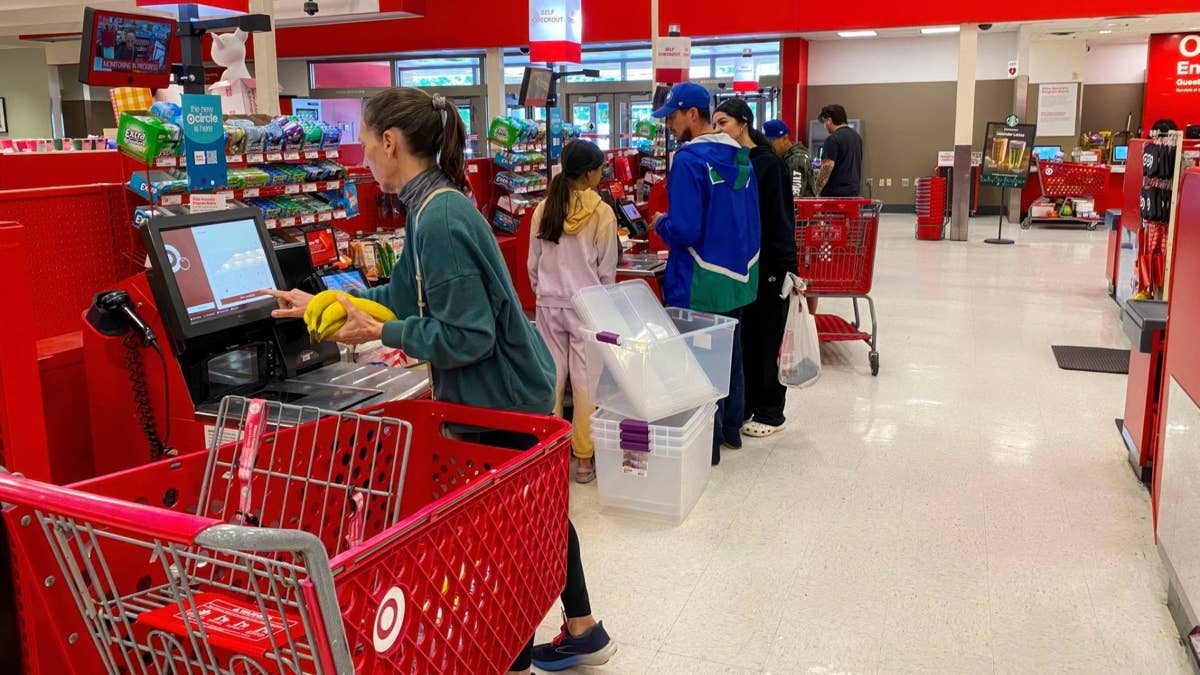
Target had a strong first quarter
First quarter financial results were stronger than expected, providing encouraging early signs that our clarified strategy is resonating with our guests and driving broad-based growth across our business,” said Fiddelke in the Q1 earnings release.
- First quarter net sales grew 6.7% over last year.
- Comparable traffic grew 4.4% compared with Q1 2025.
- Net sales in all six core merchandising categories were higher than a year ago.
- Digital comparable sales grew 8.9%, led by more than 27% growth in same-day delivery.
The CEO made it clear during the chain’s Q1 earnings call that he’s happy with the results, but not satisfied.
But to be clear, a single good quarter has never been our goal. Our goal is consistent long-term growth. So while we’re very encouraged by our Q1 results, what you’ll hear from me and the team today is our focus on continuing the work to reach our full potential as a company.
Target needed a reset
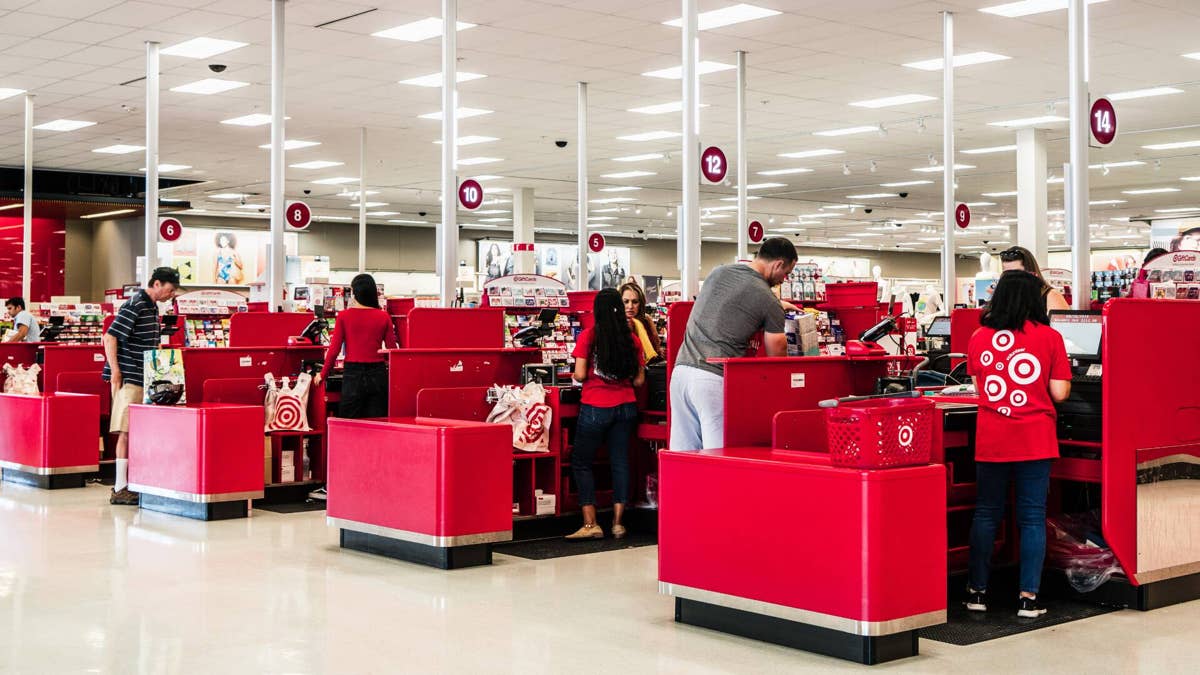
As a frequent Target shopper with over 30 years experience in covering retail, I never really believed that the woke controversies were the biggest issue facing the brand. Instead, I strongly felt the retailer had let its merchandise go a little stale while delivering a less-than-friendly in-store experience with long checkout waits.
That’s something I discussed with RTM Nexus CEO Dominick Miserandino.
“You are spot on about the culture wars with Starbucks and Target being similar. In fact, having been running online media companies and social media for 30 years, there are countless places which reflect the fickleness of the public,” he wrote.
Those controversies, he noted, were not what was causing Target’s sales struggles.
“People have a culture wars type moment and that changes quickly. Besides Starbucks, one can think of dozens of examples where we had this social media outrage and then the public gets over it pretty quickly,” he added.
Target, Miserandino shared, has been correcting its core operational problems.
“But more importantly, the 2026 numbers are showing this growth turnaround,” he shared.
Saunders thinks that Target has made progress, but that work remains.
“I do not, for one moment, believe that everything has been fixed at Target. And, to be fair, nor does Target’s management. But there has been a change in tone and focus, and there is a determination to get to grips with the issues,” he wrote on his Linkedin page.
He cited a number of meaningful changes the company has made.
Target is now showing up better, albeit in a patchy way. But initiatives like a focus on trading cards and collectibles, showcasing food better, injecting more fashion in the shape of edited capsules, and so forth, all helped to drive custom and spend.
Related: Dollar General offers retro prices