



As Middle East tensions explode, oil and gas prices reset
Sadly, higher oil prices are making a comeback.
For how long is unknown. Also unknown: how will the latest increase in tensions in the Persian Gulf affect pump prices in the United States over the next few weeks or months.
What we do know is that crude oil prices jumped about 5% on July 8 after the United States attacked military sites along the Iranian coast. The U.S. Central Command said more than 80 targets were hit.
President Donald Trump declared the ceasefire of the last few weeks over and criticized Iran. “As far as I’m concerned, it’s just a waste of time dealing with them,” he said.
Related: Fertilizer, Fuel, and Beef: How Costs Ripple Through Grocery Prices
There was an immediate increase of about 2 cents per gallon, or 0.5%, in GasBuddy’s calculation of the U.S. average retail price of gasoline, from $3.743 to $3.764 a gallon.
Still, the price is down about 17.6% from GasBuddy’s peak price of $4.566, recorded on May 16.
AAA’s gas price was up slightly to $3.796 a gallon.
Crude oil, the U.S. benchmark peaked at $76.08 per 42-gallon barrel on July 8 before settling up 4.4% to $73.52 per 42-gallon barrel in futures trading in New York. After hours, the price was nearing $75.
Brent crude, the global benchmark, settled at $78.02 a barrel, up 5% in London trading. It was the highest close for Brent since June 18. The price surged above $79 in after-hours trading.
What caused oil to jump
Two catalysts set off the price hikes.
- Drone attacks. Iranian forces fired a host of drones at tankers attempting to pass through the Strait of Hormuz, the narrow waterway linking the Persian Gulf to the Gulf of Oman and the Indian Ocean. Before war broke on Feb. 28, about 20% of the world’s crude passed through the Strait every day.
- U.S. retaliation. Trump ordered retaliatory strikes early Tuesday and later said the U.S. was halting its ceasefire with Iran. Moreover, the U.S. would likely carry out more strikes overnight, he added. Iran’s semi-official Fars news agency reported late July 8 Iranian time that explosions were heard in two coastal cities.
The attacks on three tankers on July 7 and the U.S. retaliation has snarled efforts to reopen the strategic waterway, and it puts more pressure on the global economy. Only some 20 ships transited the strait in the last 24 hours, CNN reported, compared with the prewar average of 110 to 120.
More Oil & Gas:
- JPMorgan resets oil price target for rest of 2026
- Goldman Sachs sees an oil glut coming, but don’t expect much relief at the pump
Whether it means all-out war again is not clear yet.
Some investors wanted to know if shipping through the Strait of Hormuz would face a fresh full blockade. Fiona Cincotta of City Index noted, “This was always a very fragile peace process.”
Fatemeh Bahrami / Anadolu / Getty Images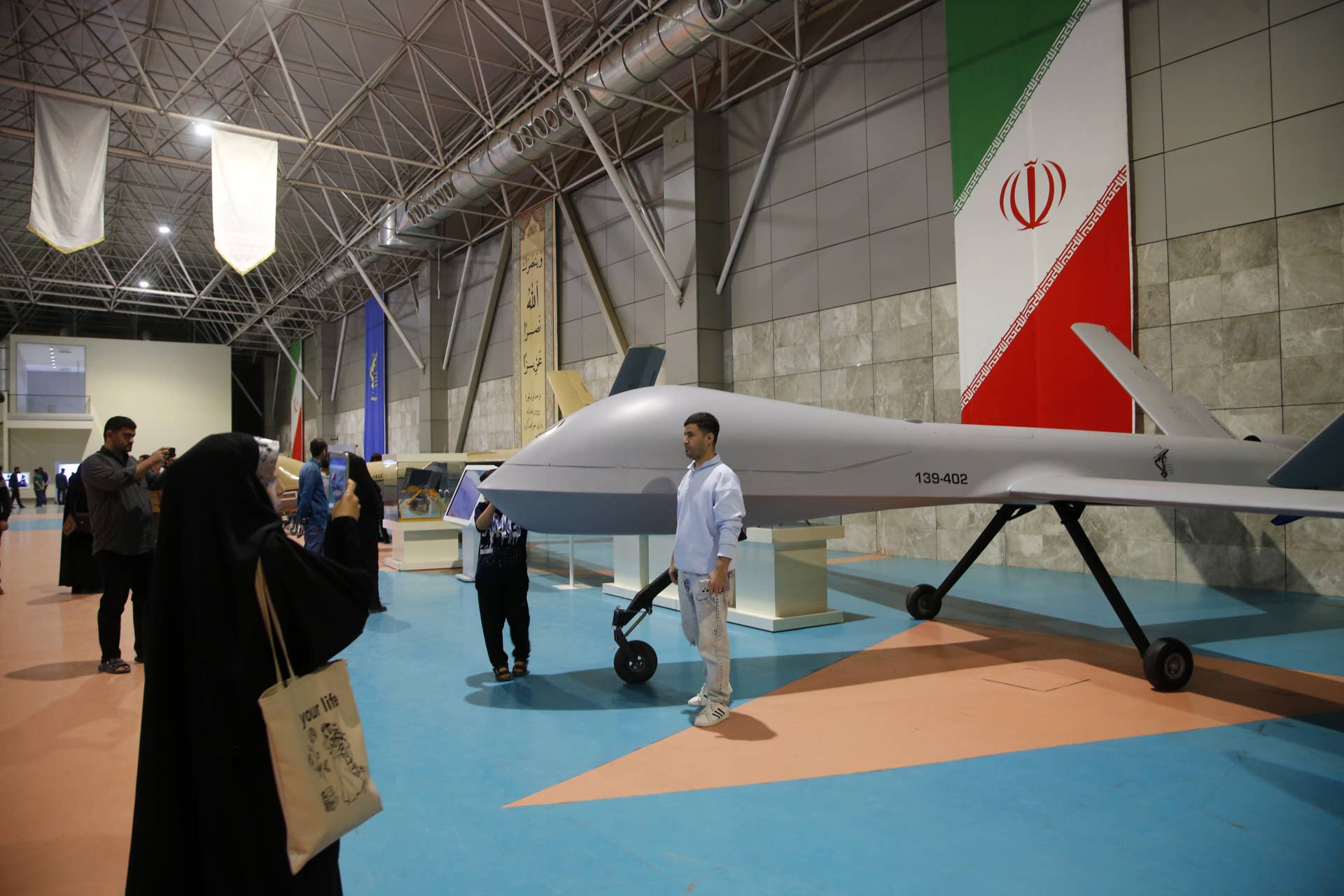
Financial markets were not amused
But the new violence shook stock markets around the world. U.S. stocks slid on July 8 with the Dow Jones Industrial Average falling 576 points, or 1.2%.
The Standard & Poor’s 500 Index and Nasdaq Composite Index suffered more modest losses, mostly because of gains in semiconductor and energy stocks.
The energy and technology sectors were the only S&P 500 sectors showing gains on the day. The Philadelphia Semiconductor Index was up 2%.
Gold and silver prices fell as well.
Related: Gas-price questions remain even with end to Iran conflict in sight