


FINRA Leaders Outline Strategic Priorities
Modernizing outdated regulations, improving compliance and making the organization more efficient are among the top priorities shaping the future of the Financial Industry Regulatory Authority (FINRA), according to Scott Curtis, Chairman of the Board of Governors, and Robert Cook, president and CEO.
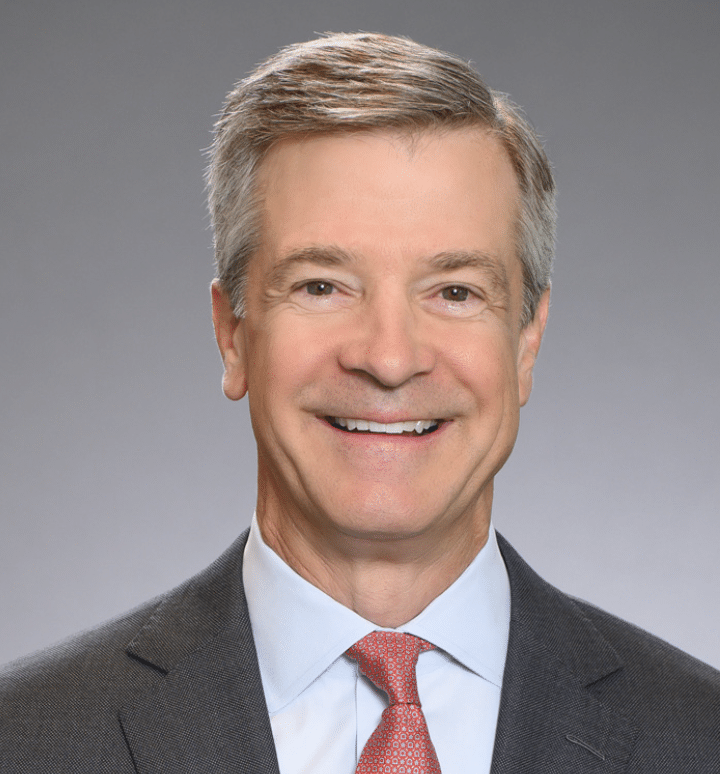
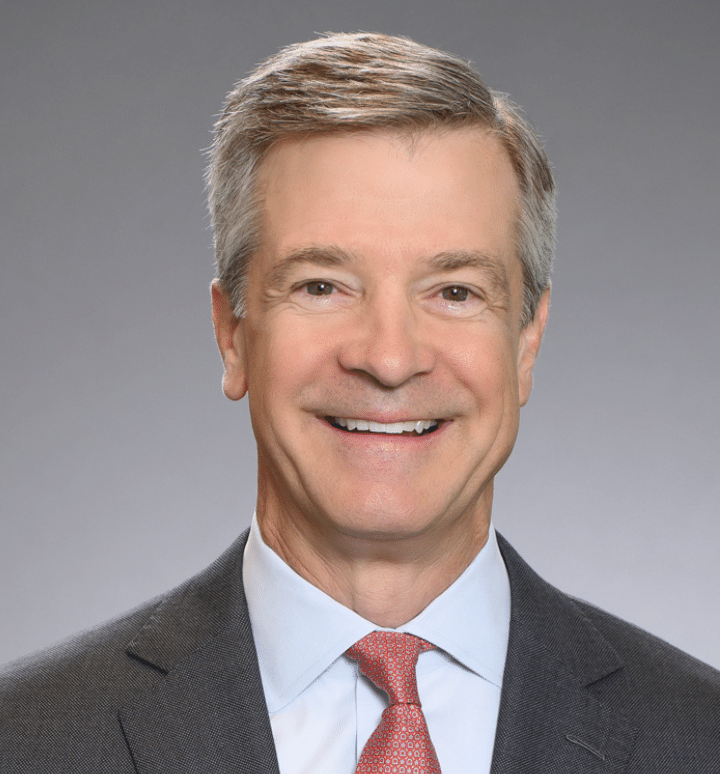
In the latest episode of Inside FINRA Forward: A Conversation with FINRA Board Chair Scott Curtis, Chairman said that rule modernization is the defining objective of his tenure.
“Our focus really is how do we make FINRA better for the industry,” Curtis said.
“Rule modernization and executing on FINRA Forward. That’s really what I would like my legacy to be,” he added.
He said the current environment provides an opportunity to revisit regulations that have not kept pace with technological advances or changing market structures. “There is some urgency,” Curtis said.
“You don’t know how long the environment’s going to be like. So today we feel like we’re in a really good position to actually affect positive change for the industry,” he added.
Cook said FINRA Forward was launched to address that challenge by reviewing rules that no longer reflect how markets operate.
“The idea was rules need to be updated regularly. The markets change, technology changes, the basic assumptions upon which the rules are adopted become outdated,” Cook said.
Among the initiatives already underway are revisions to the pattern day trader rule, updates to proposals covering outside business activities and personal securities transactions, expanded electronic delivery, changes to communications rules and efforts to make remote inspections a permanent option. Cook noted that some proposals are already before the U.S. Securities and Exchange Commission, while others remain in development.
“There are big rules, there are small rules – they all matter to someone,” he said, adding that FINRA’s new Regulatory Policy Agenda is intended to give firms greater visibility into completed initiatives, pending proposals and future rule-making priorities.
The discussion moderated by Marcia Asquith, executive vice president of Board and External Relations at FINRA also highlighted the close relationship between FINRA’s board and executive leadership.
Curtis said he and Cook speak at least weekly on strategic issues affecting member firms and the broader industry, while Cook emphasized that the Board of Governors plays a substantive role in shaping FINRA’s direction.
“It’s not an advisory board. The Board really does weigh in on, in a substantive way, the big issues,” Cook said.
Curtis said the board’s role extends beyond governance to ensuring a broad range of industry perspectives are represented as rules are developed. The board includes representatives from firms of varying sizes and business models alongside public governors, providing diverse viewpoints as regulatory decisions are made.
Another recurring theme was FINRA’s effort to shift more of its focus toward helping firms comply with regulations before enforcement becomes necessary.
“Our member firms are the front lines of protecting their investors. Our job is to help make that easier,” Cook said.
That includes reducing unnecessary data requests, expanding compliance resources, increasing transparency around examinations and lengthening exam cycles for lower-risk firms, he said.

Cook also discussed FINRA’s ongoing review of its enforcement program, saying the organization agrees that firms should not learn new regulatory expectations through enforcement actions.
“Rules shouldn’t be made up in the enforcement process. That should not be when people are learning what the rules of the road are,” he said.
Instead, Cook said FINRA wants to make greater use of guidance, examinations and other supervisory tools, viewing enforcement as only one part of a broader regulatory framework.
Curtis said FINRA is also examining its own operations, with greater use of technology and automation helping streamline internal processes and improve efficiency.
He pointed to the regulator’s financial oversight as another example, noting that stronger-than-expected revenues enabled FINRA to return $150 million to member firms through rebates over the past two years while reassessing whether previously approved fee increases remain necessary.
The conversation also touched on the growing overlap between broker-dealers and registered investment advisers, an area Curtis described as one of his highest priorities.
He argued that differences between the regulatory frameworks have created what he called “regulatory arbitrage” and said FINRA is working to better align certain broker-dealer requirements with SEC rules where appropriate.
“We’re trying to level the playing field a little bit,” Curtis said, pointing to differences in marketing rules and capital requirements that, in his view, no longer reflect the realities of how many firms operate.
Despite continued debate about the future of financial regulation, both leaders expressed confidence in the self-regulatory model.
Curtis said the focus should remain on making FINRA “more effective,” “more efficient,” and continuing to modernize its rulebook rather than questioning the organization’s role.
Cook agreed, saying FINRA’s effectiveness ultimately depends on maintaining close collaboration with the firms it oversees.
“Our commitment is that we really want to be a forward-thinking regulator who is responding to the changing needs of the marketplace,” Cook said.
“We know that to do that effectively, we need the input and engagement of all of you. That’s the only way that this model really works,” he said.