



Why Did Bed Bath and Beyond Just Buy a Real Estate Brokerage?
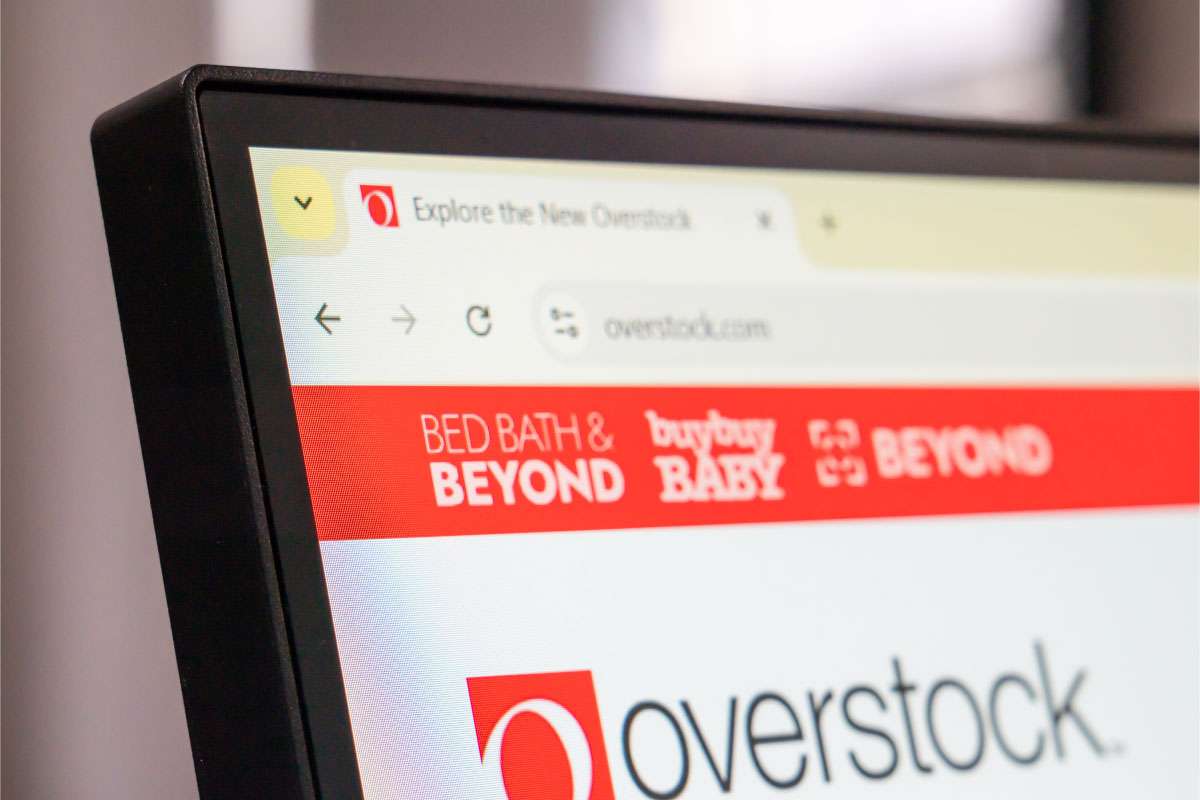
Bed Bath and Beyond buying a real estate brokerage is the kind of headline that makes you read it twice. The company that spent decades selling towels and shower curtains in big-box retail locations, went bankrupt in 2023, got reconstituted as an e-commerce operation, and has since been on one of the stranger acquisition sprees in recent retail memory has now agreed to pay $53 million in stock for Fathom Holdings, a national residential brokerage with about 15,000 agents and a proprietary technology platform called intelliAgent. It is a genuinely unusual move, and it deserves a closer look, because the more you examine it, the more it starts to look less like a random detour and more like the piece that makes the rest of the strategy legible.
To understand the Fathom acquisition, you have to understand what Marcus Lemonis, Bed Bath and Beyond’s CEO, is actually trying to build. The retail brand is almost beside the point at this stage. What Lemonis is assembling is what the company calls its Everything Home strategy, centered on three interconnected pillars: Homeownership and Transactions, Omnichannel Commerce, and Home Services. He has been buying pieces of that puzzle with notable aggression. The Fathom deal follows a string of all-stock acquisitions that have included The Container Store, the owner of Cabinets To Go, and other home-adjacent businesses. Fathom fills in the pillar that none of the other acquisitions could address: the transaction itself. Fathom is a national, technology-driven real estate services platform integrating residential brokerage, mortgage, title, insurance, and SaaS offerings powered by intelliAgent, its proprietary cloud-based software platform. In Lemonis’s framing, it is the front door to the entire homeownership relationship. “People buy homes from one company, finance them through another, furnish them through a third and renovate them with someone else,” he said in the announcement. “We believe homeowners deserve something better.”
The vision, stated plainly, is to be the company a customer comes to when they start thinking about buying a home and stays with through the purchase, the financing, the furnishing, and every repair and renovation that follows. It is an ambitious idea, and it is not an original one. Zillow has been moving in this direction from the listing side for years, building out mortgage and closing services to extend its role beyond home search. Opendoor tried to own the transaction outright. Angi has built a large marketplace for what happens to the home after you move in. Houzz sits at the intersection of design and professional services. None of them have pulled the whole thing together, which is either a signal that it can’t be done or an indication that the opportunity is still genuinely open.
What Fathom specifically brings to the table is a brokerage model built around low overhead and technology. Fathom operates a flat-fee commission structure with a network that grew 22.6% to nearly 15,000 agents, and its intelliAgent platform has begun licensing to outside brokerages as a separate revenue stream. That model is designed to be scalable and margin-efficient in ways that traditional brokerages are not, and the technology platform gives Bed Bath and Beyond an asset that could eventually connect the transaction data from a home purchase with the retail and services data from everything that follows. That data integration is the connective tissue the whole strategy depends on, and without something like intelliAgent at the center of it, the three pillars remain three separate businesses with a shared logo rather than a unified platform.
The skeptical case writes itself, though. Fathom’s fourth quarter net revenue dropped 1.2% year over year and real estate transactions decreased 14.2%, reflecting the broader paralysis in a residential market where elevated mortgage rates have kept transaction volume near multi-decade lows. The company was operating with a cash balance of just $4.9 million. Bed Bath and Beyond is buying a brokerage at a moment when brokerage is a difficult business, paying with stock rather than cash, and absorbing it into a holding company that is simultaneously digesting multiple other acquisitions while still establishing its own post-bankruptcy identity. The history of companies trying to build end-to-end homeownership platforms is not encouraging. The home purchase is one of the highest-stakes, most relationship-dependent transactions in a consumer’s life, and winning trust at that moment requires a brand reputation that Bed Bath and Beyond has not yet established in real estate.
None of that makes the strategy wrong. But it does make it hard. There is a version of Everything Home that works, where a customer’s home buying journey flows seamlessly into their furnishing choices and their maintenance relationships and all of it is held together by data that allows Bed Bath and Beyond to be genuinely useful rather than merely present at each stage. Whether the company can execute that vision while integrating a distressed brokerage, managing the Container Store’s own challenges, and competing against well-capitalized incumbents in each of its three pillars is the question. The acquisition is not as strange as it first appears. Whether it’s smart is a different conversation entirely.
The post Why Did Bed Bath and Beyond Just Buy a Real Estate Brokerage? appeared first on Propmodo.