‘Poorly designed’ policies threatening London’s grip on global tourism
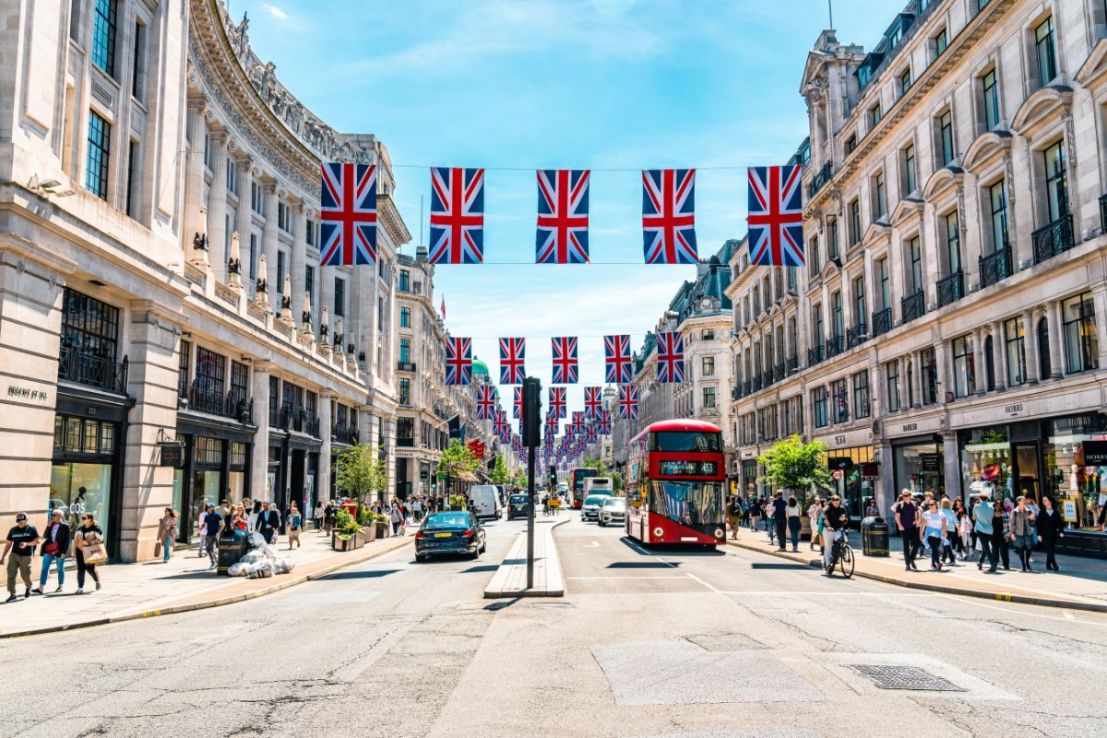
London’s competitiveness as a leading culture and tourism destination is being undermined by “poorly designed” policies, the West End’s leading business advocate has warned.
Dee Corsi, chief executive of the New West End Company (NWEC), has said that London is “competing with one hand tied behind its back” compared to global rivals whose policymakers are encouraging tourism and talent.
The industry body, which represents more than 800 retail, leisure and hospitality operators, has published a set of policy demands which it says would “unlock transformative growth” in the capital.
Its new report ranked London as the city’s leading destination for culture and international influence, joint with Paris, and in the top five for innovation, tourism and investment appeal.
The capital’s free museums and 87 Michelin-starred restaurants, fewer than only Tokyo and Paris, offer it a cultural edge, the report said.
London’s “thriving” AI ecosystem sets it out as a leading destination for jobs in tech and AI, the lobby group said, as its Google Deepmind and OpenAI headquarters enable the city to attract top-tier talent.
Tourism tax environment ‘works against business’
But London is the worst performing global city for its policy environment, the NWEC said.
Rival cities like New York, Dubai and Tokyo are ramping up competition for global talent and spending while London is “weighed down by a regulatory environment that too often works against the businesses driving its economy,” the lobby group said.
The government should bring back VAT-free shopping, push back restrictions on retailers’ opening hours and invest in policing headcount to boost London’s ability to compete with shopping destinations in the Middle East, the body said.
Tourists had previously benefitted from VAT-free shopping in London but this policy was axed at the end of 2020, when Rishi Sunak was chancellor.
This meant that shops in London no longer have a cost advantage over their competitors in Milan or Paris, and the NWEC says it cost West End retailers more than £600m per year.
London blocked from ‘realising potential’
The trade body is also urging the government to produce the reform to business rates it promised in its manifesto, highlighting that the West End contributes to about eight per cent of the country’s total receipts under this tax.
“Our global competition is not standing still. From Dubai to Singapore, Tokyo to Paris, the world’s leading destinations are investing in the policy frameworks and visitor experiences that attract global capital, talent and spend,” Corsi said.
She added: “The message is straightforward: London has natural advantages that most cities can only envy, but poorly designed regulation is limiting its ability to realise its potential.”
Howard Dawber, the deputy mayor for business and growth, said that the NWEC’s report “highlights London’s enduring strengths as one of the world’s most attractive places to live, work, visit and invest”.
City Hall will go faster to attract overseas investment and talent, and to build a “fairer and more prosperous” London, he said.